
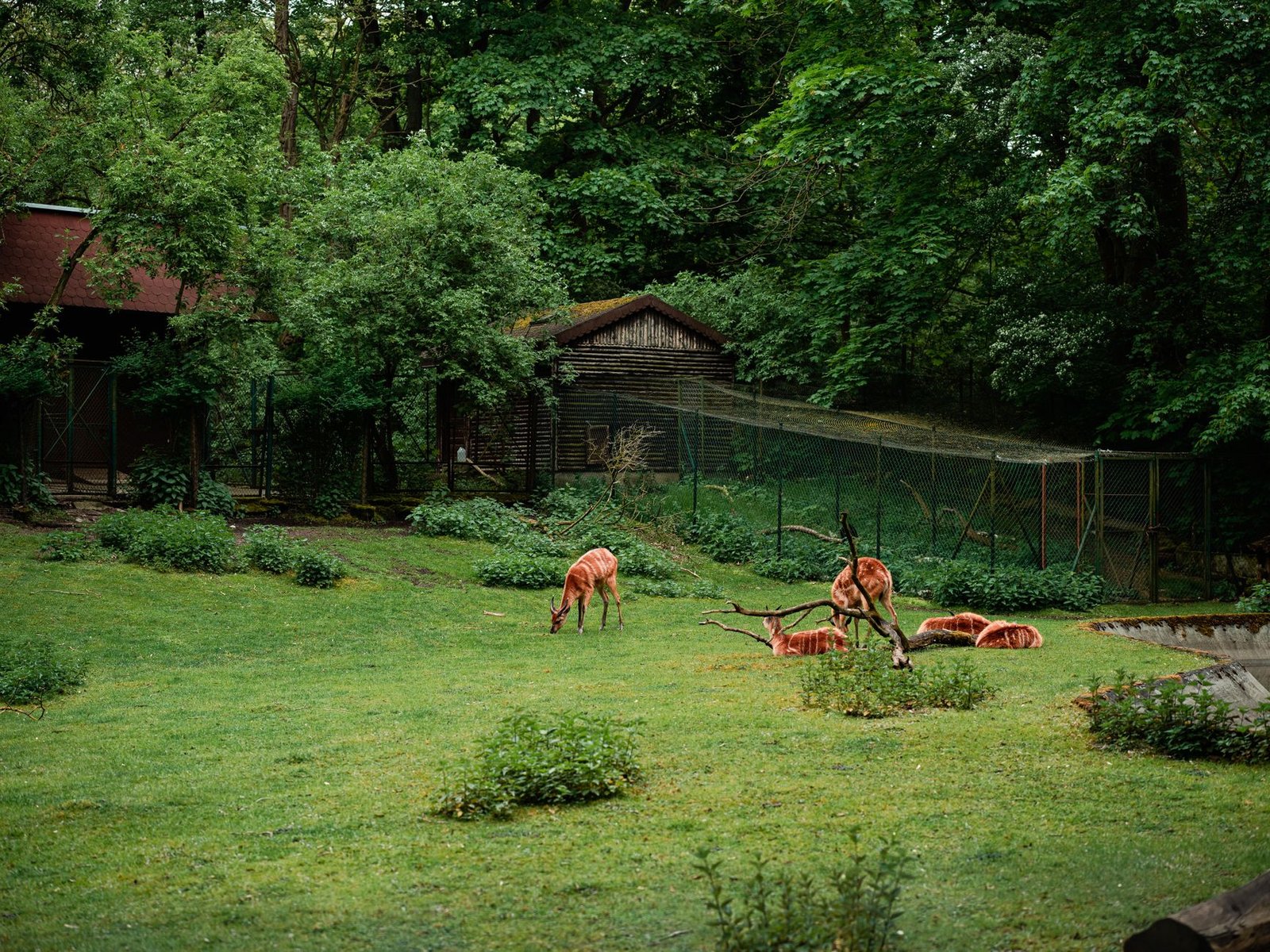
For many property owners, the sight of a beautiful garden quickly transforming into a deer buffet is a frustrating reality. Deer, while majestic creatures, can inflict significant damage to landscaping, consuming cherished plants and impacting the aesthetic appeal of outdoor spaces. In 2026, protecting gardens from these browsing animals does not necessitate harsh chemicals or inhumane tactics. This article provides practical, humane, and chemical-free methods for homeowners seeking to safeguard their horticultural investments naturally.
Understanding Deer Behavior and Garden Vulnerabilities
Deer are naturally drawn to areas offering abundant food sources, and cultivated gardens often present an irresistible smorgasbord of tender leaves, flowers, and fruits. Their dietary preferences are varied, but young, succulent growth is particularly appealing. Damage typically manifests as ragged tears on leaves and stems, distinct from the clean cuts left by smaller animals. Beyond consumption, deer can cause significant harm by rubbing their antlers against young trees, especially during rutting season, leading to girdling and potential tree death. Understanding these behaviors is the first step in developing effective mitigation strategies.
Factors like proximity to natural habitats, suburban development encroaching on deer territories, and the availability of preferred plant species all contribute to a garden’s vulnerability. As wild spaces shrink, deer increasingly adapt to suburban environments, viewing residential landscapes as extensions of their natural foraging grounds. The challenge for the homeowner, therefore, lies in making their garden less attractive without resorting to harmful measures.
Strategic Planting: Nature’s First Line of Defense
Choosing Deer-Resistant Flora
One of the most effective and aesthetically pleasing strategies involves selecting plants that deer naturally tend to avoid. These often include species with strong scents, fuzzy or prickly textures, or those that are toxic to deer. In 2026, a growing trend towards native landscaping further supports this approach, as native plants are often better adapted to local conditions and may be less palatable to local deer populations than exotic varieties.
- Aromatic Herbs and Flowers: Lavender, sage, rosemary, mint, and catmint are frequently bypassed due to their potent fragrances.
- Fuzzy or Prickly Textures: Lamb’s ear, bearded iris, and many ornamental grasses are less appealing to deer palates.
- Toxic or Unpalatable Plants: Foxglove, hellebore, daffodils, and poppies are known to be ignored by deer due to their toxicity or bitter taste.
- Evergreens: Certain evergreens like boxwood, juniper, and spruce are generally less favored, especially once mature.
By incorporating a diverse array of these less desirable plants, the homeowner can create a garden that is visually appealing to humans but gastronomically uninteresting to deer.
Companion Planting and Diversification
Beyond simply choosing deer-resistant plants, companion planting can amplify protection. Placing strong-scented herbs like garlic, chives, or onions strategically throughout garden beds can help mask the scent of more appealing plants, confusing deer and deterring them from browsing. Diversifying plant selections also creates a less uniform, less predictable food source, which can discourage prolonged foraging in a single area.
Fortifying Boundaries: Modern Physical Deterrents
Effective Fencing Solutions
When deer pressure is high, physical barriers are often the most reliable method of exclusion. Deer are athletic creatures, capable of jumping considerable heights, so fences must be robust. For complete exclusion, an eight-foot-tall fence is generally recommended. However, innovative solutions for 2026 offer more discreet options:
- Transparent Deer Fencing: Modern UV-stabilized polypropylene mesh fences are nearly invisible from a distance, maintaining garden aesthetics while providing a formidable barrier.
- Woven Wire Fencing: Durable and long-lasting, these fences offer strength and can be integrated with existing landscaping, often topped with an outward-angled section to deter jumping.
- Double Fencing: Two shorter fences (e.g., four to five feet tall) spaced four to five feet apart can be as effective as a single tall fence, as deer are poor depth perceivers and hesitate to jump into a confined space.
The key to effective fencing is consistent maintenance, ensuring there are no gaps or weak points that deer can exploit.
Protective Covers and Structures
For individual plants, young trees, or specific garden beds, temporary or localized protection can be highly effective. Cylinders of hardware cloth or tree shelters can shield young saplings from antler rub and browsing. Netting, such as bird netting or fine mesh, can be draped over vulnerable plants or small garden plots during peak browsing seasons, particularly in winter when other food sources are scarce. Raised garden beds, while not deer-proof on their own, can be more easily enclosed or covered, offering an additional layer of protection for edibles.
Engaging the Senses: Humane Repellents
Scent-Based Strategies
Deer have a keen sense of smell, which can be exploited using natural repellents that create unpleasant odors. While effectiveness can vary and reapplication is often necessary, these methods offer a chemical-free approach:
- DIY Mixtures: Sprays made from rotten eggs, hot pepper, or strong-smelling soaps can be effective. The putrescent egg solids mimic the smell of decaying animals, a natural alarm signal for deer.
- Commercial Natural Repellents: Many products on the market utilize natural ingredients like garlic, capsaicin, and peppermint oil, which are designed to be safe for plants and animals while deterring deer. These often have longer lasting formulations, reducing reapplication frequency.
- Soap Bars: Hanging strongly scented bar soap (e.g., Irish Spring) in mesh bags from branches or stakes around garden perimeters is an old but often effective trick, as the strong scent is disliked by deer.
Consistency in application, especially after rain or new growth, is vital for scent-based repellents.
Visual and Auditory Deterrents
Deer are wary creatures, and sudden movements or unfamiliar objects can startle them. Leveraging their cautious nature can provide temporary relief:
- Motion-Activated Sprinklers: These devices detect movement and emit a sudden burst of water, startling deer without harming them. Modern smart garden systems for 2026 can integrate these with broader perimeter security.
- Reflective Objects: Strips of aluminum foil, old CDs, or reflective tape hung from stakes or branches can create flashes of light that deter deer. Their effectiveness can wane over time as deer habituate.
- Auditory Deterrents: Wind chimes, radios, or ultrasonic devices can produce sounds that may deter deer. However, deer are highly adaptable, and constant noise can lead to habituation, reducing long-term efficacy.
- Decoy Predators: Positioning lifelike statues of predators like coyotes or owls in a garden can sometimes deter deer, especially if moved periodically to maintain the illusion of a live threat.
Integrated Deer Management: A Holistic Approach for 2026
The most successful deer management strategies typically involve a combination of the methods described above. Relying on a single tactic often leads to deer habituation, where the animals learn to ignore the deterrent over time. An integrated approach, combining physical barriers with strategic planting and sensory repellents, creates a multi-layered defense that is more difficult for deer to overcome.
For optimal results, consistent monitoring of deer activity is crucial. Observing where deer enter the property, which plants they favor, and how they react to deterrents allows for adjustments and fine-tuning of the strategy. As deer populations and their behaviors evolve, so too must the homeowner’s approach. Collaboration with neighbors and community-wide initiatives can also amplify individual efforts, creating broader protected zones and sharing successful strategies. In 2026, the emphasis remains on sustainable, humane, and intelligent solutions for harmonious coexistence.
Ultimately, protecting a garden from deer damage is an ongoing process of observation, adaptation, and consistent application of humane deterrents. By embracing these natural and modern methods, property owners can cultivate thriving gardens and enjoy their outdoor spaces without constant worry of deer intrusion.