
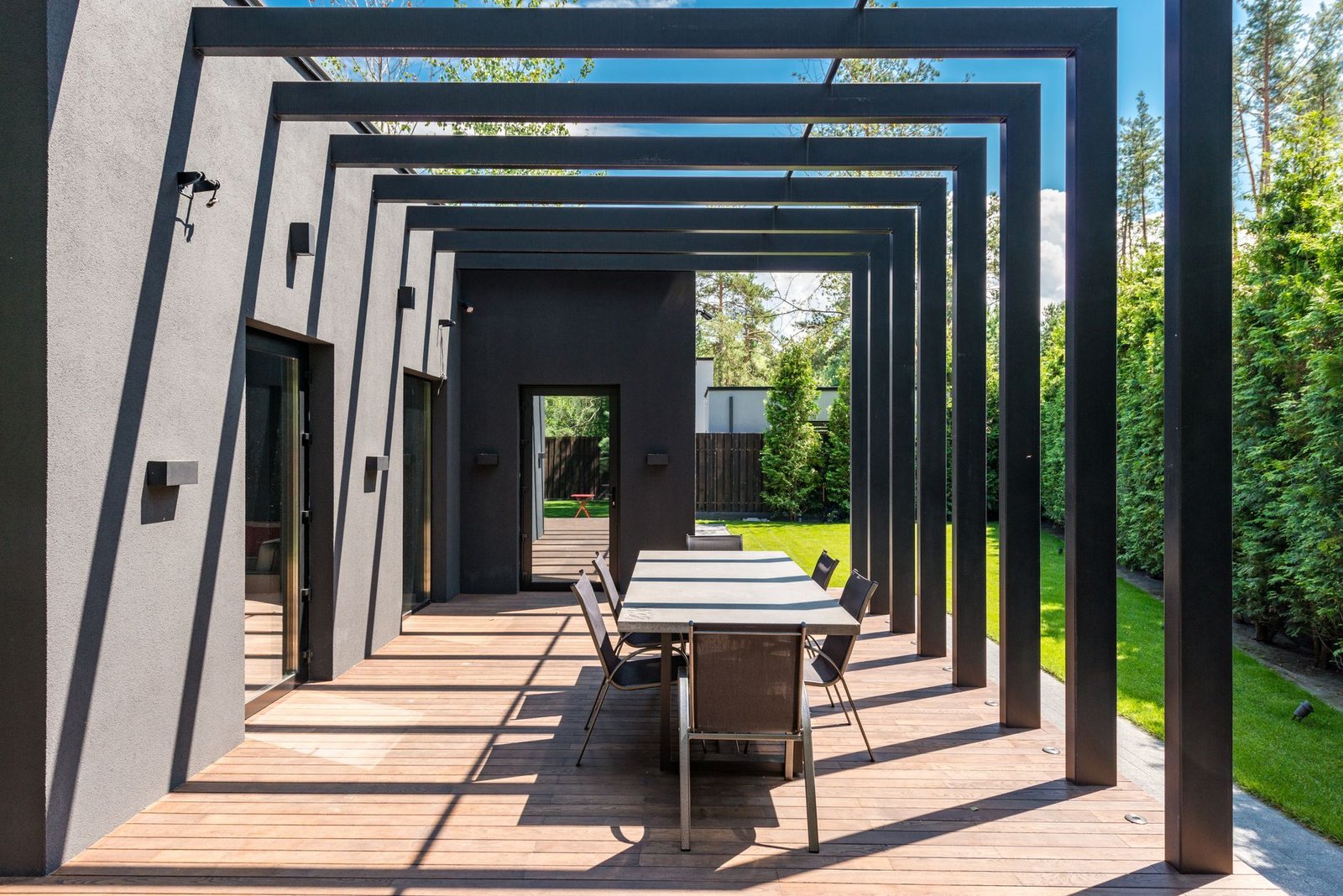
Understanding the investment required for enhancing outdoor living spaces is crucial for any homeowner project. In 2026, the installation cost for a retractable pergola can vary significantly, typically ranging from $4,500 for a basic manual system to over $30,000 for a high-end, fully automated model with integrated features. The average homeowner can expect to allocate between $8,000 and $18,000 for a quality retractable pergola installation, depending on material, size, and technological sophistication.
This detailed breakdown provides clarity on the financial aspects of incorporating a retractable pergola into a domestic landscape, considering the latest industry trends and material developments prevalent in 2026.
The Core Investment: Pergola Unit Costs
The primary component of the overall cost is the retractable pergola unit itself. Prices are influenced by several key factors:
Size and Dimensions
Larger pergolas naturally require more materials and more complex manufacturing, leading to higher costs. Standard sizes are generally more economical than custom-fabricated units designed to fit specific architectural constraints or expansive outdoor areas.
Frame Materials
- Aluminum: The most popular choice in 2026, offering an excellent balance of durability, low maintenance, and modern aesthetics. Costs are moderate to high, with recycled aluminum options gaining traction for their sustainability.
- Steel: Provides superior strength and robustness, often used for larger or commercial-grade installations. It is heavier and typically involves higher costs for both material and installation.
- Wood (Cedar, Redwood, Pressure-Treated): Offers a classic, natural appeal. While initial costs can be comparable to or less than aluminum for certain types, wood requires more maintenance (staining, sealing) over time, impacting long-term expenses.
- Vinyl/Composite: A more budget-friendly option, known for its minimal maintenance requirements. Less common for high-end retractable systems due to structural limitations compared to metal.
Canopy Fabrics and Technology
The retractable canopy material is critical for functionality and longevity. In 2026, advancements have led to a wider array of high-performance fabrics:
- Acrylic and PVC: Standard options providing good UV resistance and waterproofing.
- Specialized Weather-Resistant Textiles: Modern developments include self-cleaning fabrics, advanced PTFE-coated materials, and highly durable solutions resistant to fading, mold, and mildew. These premium fabrics contribute to higher unit costs.
- Solar-Integrated Canopies: An emerging trend in 2026, offering shading and passive solar energy collection. While a significant upfront investment, these can contribute to energy savings over time.
Retraction Mechanism
The method of retraction significantly impacts the cost:
- Manual Systems: Employing cranks or pull-ropes, these are the most economical, suitable for smaller pergolas or residents prioritizing cost savings.
- Motorized Systems: Operated by remote control or wall switch, offering convenience. These systems require electrical wiring and a motor, increasing the unit price.
- Automated/Smart Systems: Representing the pinnacle of convenience in 2026, these integrate with smart home ecosystems (e.g., Google Home, Amazon Alexa), utilizing sensors for wind, rain, and sun to automatically adjust the canopy. This advanced technology significantly raises the unit cost but offers unparalleled comfort and protection.
Installation and Additional Costs
Beyond the pergola unit, several factors contribute to the total installation expense.
Labor Costs
Professional installation typically accounts for 15% to 30% of the total project cost. Labor rates vary by geographic location, the complexity of the installation (e.g., attached vs. freestanding, multi-story installations), and the installer’s experience. Specialist installers for automated systems may charge more due to specialized knowledge.
Site Preparation
Before installation, the site may require preparation:
- Ground Leveling: Ensuring a stable, level surface is paramount.
- Foundation Work: For freestanding units, concrete footings or a reinforced patio base may be necessary.
- Electrical Work: Critical for motorized and automated systems. This involves running dedicated wiring to the pergola location, which may require a licensed electrician and adherence to local codes.
Permits and Regulations
Many municipalities require building permits for permanent outdoor structures. The cost of permits varies widely but is a necessary legal expense. Compliance with local zoning laws and homeowner association regulations is also essential.
Customization and Integrated Features
Personalized enhancements can substantially increase the overall investment:
- Integrated LED Lighting: For evening ambiance.
- Heating Elements: Extending usability into cooler months.
- Misting Systems: Providing cooling in hot climates.
- Side Screens/Zipliners: Offering enhanced privacy and protection from wind or insects.
- Smart Home Connectivity: Further integration with domestic automation systems.
2026 Industry Trends and Material Developments
The retractable pergola market in 2026 is characterized by innovation and a focus on sustainability and smart technology:
- Smart Home Integration as Standard: Automated systems are becoming more sophisticated, offering predictive adjustments based on local weather forecasts and personal preferences. This trend drives the mid-to-high end of the market.
- Sustainable Sourcing: Increased demand for pergolas made from recycled aluminum, sustainably harvested wood composites, and environmentally friendly canopy fabrics. Manufacturers offering these options are gaining market share, though premium eco-materials can carry a higher price point.
- Advanced Fabric Technology: Self-cleaning, advanced UV-resistant, and even solar-generating fabrics are common. These materials offer enhanced longevity and functionality, justifying their higher cost.
- Bioclimatic Design: Pergolas with adjustable louvered roofs that can be precisely controlled to optimize sun exposure, shade, and ventilation are growing in popularity, representing a premium segment.
- Minimalist Aesthetics: A strong preference for sleek designs with concealed mechanisms and clean lines, blending seamlessly with modern architecture. This often involves precision engineering, impacting cost.
The Long-Term Value and ROI
While the initial cost for a retractable pergola installation in 2026 can be substantial, the investment often yields significant long-term benefits. These include extended usability of outdoor spaces, enhanced property value, and superior comfort. The ability to control sun exposure and weather protection at the touch of a button or via smart automation adds a layer of luxury and practicality that modern homeowners increasingly seek. Choosing quality materials and professional installation ensures durability and minimizes future maintenance, solidifying the value proposition.