
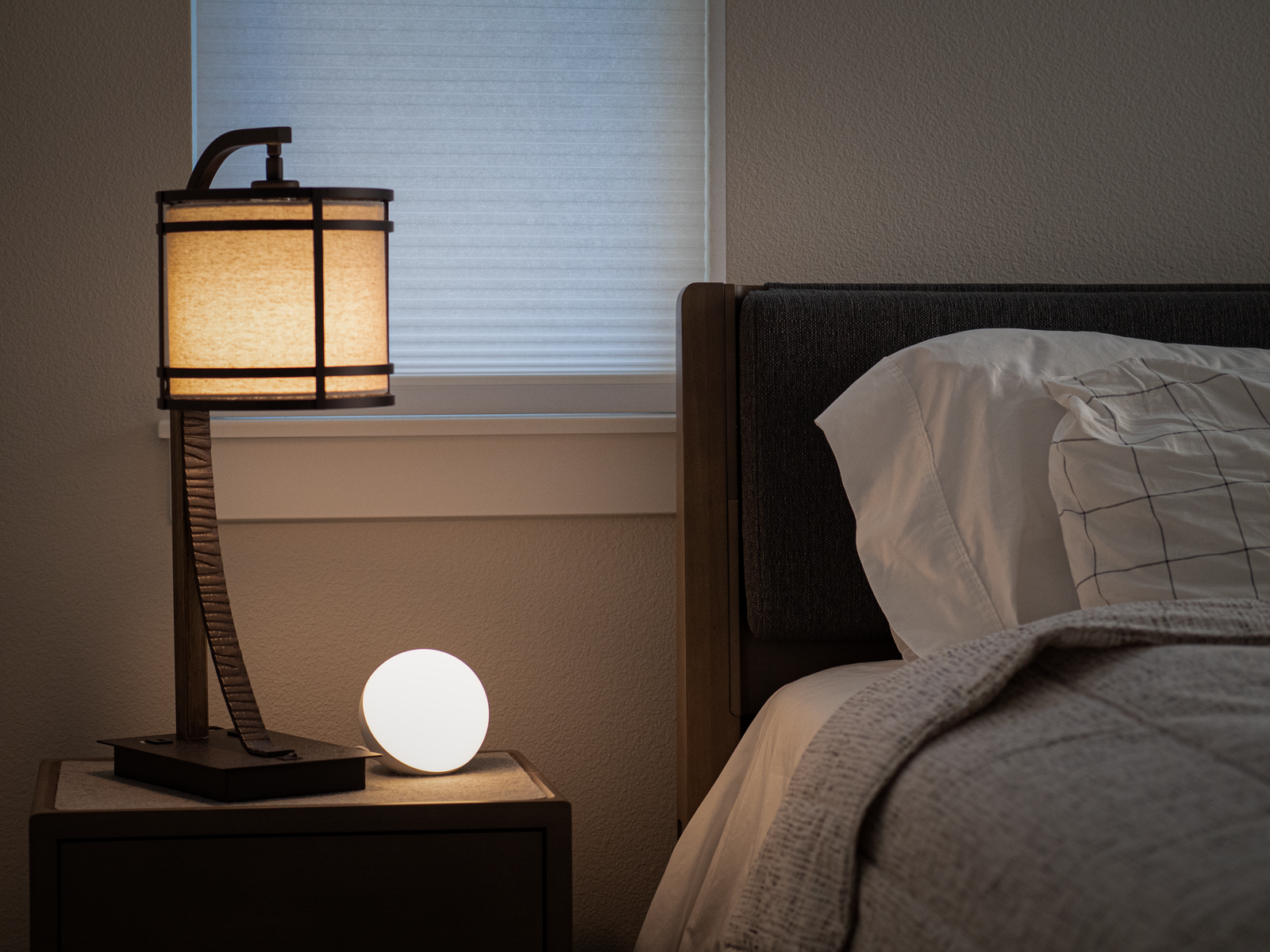
The quest for deeper, more restorative sleep is a universal aspiration, and for 2026, achieving superior rest is entirely within reach through strategic bedroom enhancements. Transforming the personal sleep environment can significantly impact sleep quality, paving the way for improved well-being and daily performance. This article outlines seven practical, easy-to-implement bedroom adjustments that residents can adopt to cultivate a sanctuary conducive to profound slumber.
Optimizing the Sleep Sanctuary
Light Management for Circadian Rhythm
One of the most critical elements in regulating the body’s natural sleep-wake cycle, or circadian rhythm, is light exposure. In 2026, advanced solutions make precise light control more accessible than ever. The integration of biodynamic lighting systems, which mimic natural daylight cycles by adjusting color temperature and intensity throughout the day, can profoundly influence melatonin production. For nighttime, smart blackout solutions, including automated smart blinds crafted from sound-absorbing, light-blocking textiles, ensure complete darkness. Dawn simulators, programmed to gradually brighten the room before waking, facilitate a gentler, more natural awakening, avoiding the jarring effect of traditional alarms.
Temperature and Air Quality Control
An optimal sleep environment typically maintains a cooler temperature, generally between 60-67°F (15-19°C). Modern smart thermostats offer zoned control, allowing precise temperature regulation specifically for the bedroom without impacting other areas of the home. Beyond temperature, air quality plays an indispensable role. High-efficiency air purifiers equipped with HEPA and activated carbon filters are essential for removing allergens, pollutants, and volatile organic compounds (VOCs) that can disrupt breathing and sleep. Some 2026 models feature integrated sleep modes, operating silently while continuously monitoring and improving air composition, contributing to uninterrupted rest.
Smart Textiles and Surfaces
Advanced Bedding Materials
The evolution of textile technology has brought forth bedding materials that are both luxurious and highly functional. For 2026, residents can explore options made from sustainable, plant-based fibers like Tencel™ Lyocell and bamboo, known for their exceptional moisture-wicking and breathability properties. Phase-change materials (PCMs) are increasingly integrated into mattresses, pillows, and duvet covers, actively absorbing and releasing heat to maintain an ideal microclimate around the body, preventing overheating or chills. Hypoallergenic options crafted from organic cotton or innovative synthetic blends also cater to sensitive individuals, reducing irritants that can interrupt sleep.
Noise Reduction and Acoustic Comfort
External and internal noises are significant sleep disruptors. Achieving acoustic comfort involves a multi-pronged approach. Heavy, insulated curtains made from dense fabrics not only block light but also absorb sound. Walls can be enhanced with decorative sound-dampening panels, often made from recycled PET felt or cork, which blend seamlessly into modern aesthetics while significantly reducing echo and ambient noise. For persistent or unpredictable sounds, advanced smart white noise machines offer a range of customizable soundscapes, from gentle rain to pink noise, effectively masking disturbances without creating new ones. Architectural consideration for double-glazed windows is also a key strategy for urban or noisy environments.
Sensory Harmony and Organization
Strategic Color and Material Palettes
The visual environment profoundly impacts psychological comfort. Calming, muted color palettes—think soft blues, greens, greys, and warm neutrals—are known to promote relaxation. Avoid vibrant or stimulating hues in the sleep zone. Incorporating natural materials like untreated wood, stone accents, and linen textiles adds texture and a sense of grounding. The principles of biophilic design, such as the strategic placement of low-maintenance indoor plants that purify air and offer a visual connection to nature, further enhance tranquility and reduce stress, contributing to a more serene sleep preparation.
Decluttering and Mindful Organization
A cluttered environment can translate into a cluttered mind, making relaxation difficult. Implementing a minimalist approach and effective organization is crucial. This involves paring down non-essential items and utilizing integrated storage solutions—such as beds with built-in drawers or bespoke cabinetry—to keep the space tidy. A critical aspect for 2026 involves digital device management: establishing a dedicated charging station outside the immediate sleep zone or using stylish storage boxes to conceal devices and cables can mitigate the mental distraction and blue light exposure associated with electronics. The goal is to create a visual calm that fosters mental clarity before sleep.
Personalized Aromatherapy and Sensory Cues
Engaging the sense of smell with soothing aromas can prime the body for sleep. Modern, silent essential oil diffusers can disperse therapeutic scents like lavender, chamomile, or bergamot, known for their calming properties. These can be programmed to run for specific durations before bedtime. Beyond aromatherapy, establishing a consistent pre-sleep routine involving these sensory cues helps condition the mind and body for rest. This could include a specific clean linen scent, a particular soft lighting setting, or even a pre-bedtime tea ritual, all designed to create a predictable pathway to deeper sleep.
By implementing these seven strategic bedroom changes, residents can transform their personal space into a sophisticated sleep sanctuary in 2026. Each adjustment, from light and temperature management to intelligent textile choices and mindful organization, contributes to a holistic approach to sleep wellness. Prioritizing these enhancements means investing in profound rest and, consequently, in overall health and vitality, demonstrating a commitment to optimal domestic comfort and personal well-being.