
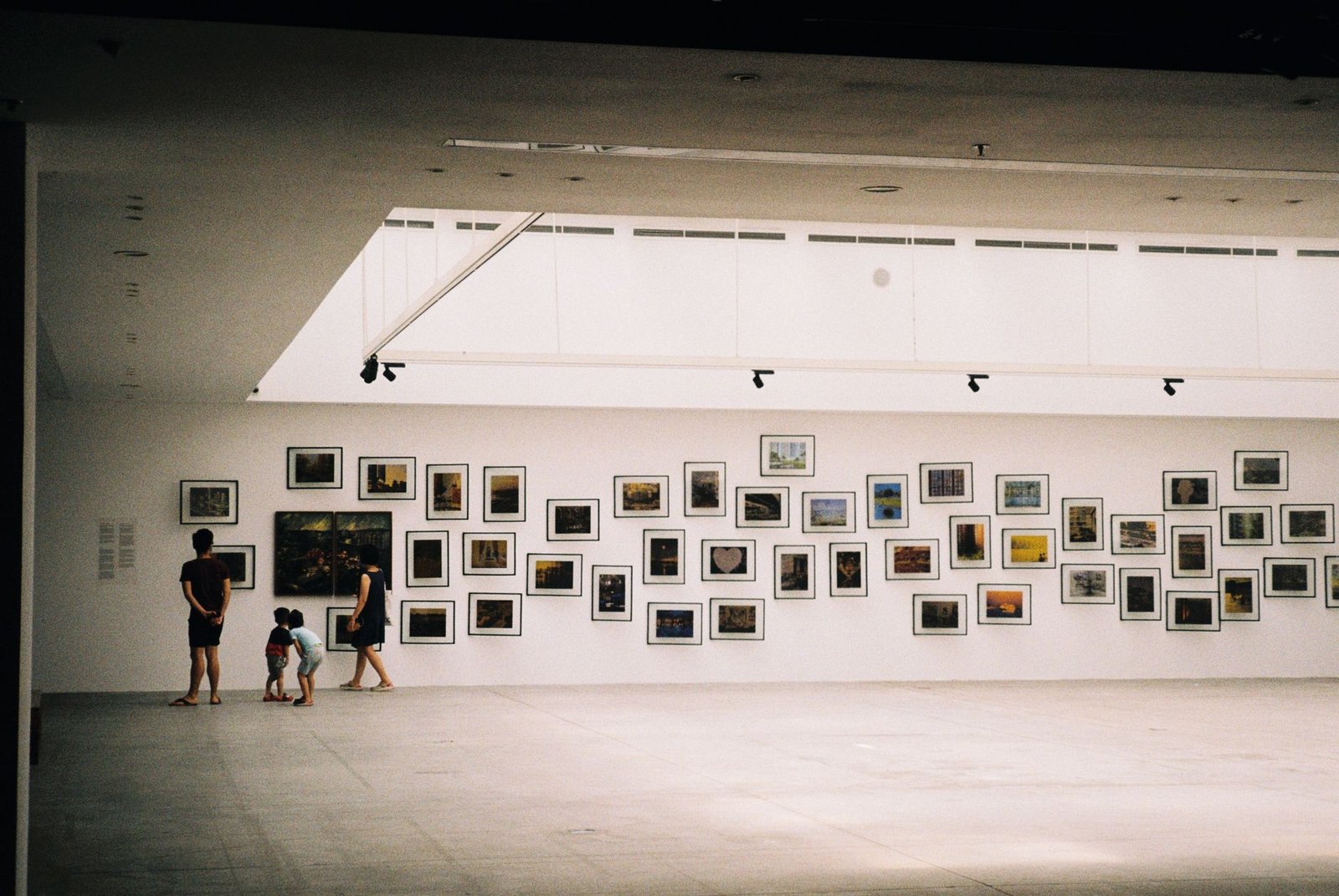
Children’s artwork can accumulate quickly, posing a significant challenge for aesthetic integration and clutter prevention within the home. This guide explores creative and practical methods for celebrating these precious creations without overwhelming the living environment, offering stylish display and smart storage solutions relevant to 2026 trends in home organization.
Embracing Dynamic Display Strategies
Showcasing children’s artwork elevates it from potential clutter to cherished decor. In 2026, display strategies lean towards flexibility, smart technology, and sustainable materials, allowing residents to curate evolving collections effortlessly.
1. The Curated Digital Gallery Wall
-
Smart Frames: Modern residences are increasingly adopting smart digital frames, often utilizing e-ink or high-resolution LCD screens, that can be updated wirelessly. These frames, available individually or in synchronized multi-frame setups, allow homeowners to cycle through dozens of pieces with a tap on a smart device or via pre-scheduled rotations. This minimizes physical clutter while maximizing display variety and preserving original artworks.
-
Integrated Lighting: Advanced systems include integrated, motion-activated LED lighting that subtly illuminates the displayed piece, enhancing its visual impact without constant energy consumption. Some digital frames even feature ambient light sensors that adjust brightness automatically, ensuring optimal viewing conditions.
2. Modular Cable & Clip Systems
-
Minimalist Aesthetics: For a sleek, modern look, tension cable systems or magnetic art lines offer an adaptable solution. Utilizing nearly invisible steel cables or slim, anodized aluminum rods, these systems allow for artwork to be hung with minimalist clips or magnets. The materials used often incorporate recycled aerospace-grade aluminum or high-tensile, sustainably sourced steel, aligning with eco-conscious design principles.
-
Flexible Arrangement: The resident can easily add, remove, or rearrange artwork, making it ideal for rotating new creations as they emerge. This approach fits well with contemporary interior design trends favoring clean lines and adaptable, personalized spaces.
3. Dedicated Interactive Art Zones
-
Accessible Display Panels: Designating a specific wall or corner as an “art zone” empowers children while providing a controlled display area. Options include large, magnetic whiteboard panels or cork boards framed with recycled timber. These spaces are often positioned at a child’s eye level, encouraging self-display and rotation, fostering a sense of pride and ownership over their creations.
-
Integrated Storage: Below these display panels, built-in shelving or cubbies made from FSC-certified wood or recycled composite materials can house art supplies. This dual-purpose design fosters creativity and self-organization simultaneously, keeping materials tidy and accessible.
Intelligent Storage Solutions for Artwork Longevity
While display is important, effective storage prevents overwhelm and preserves precious memories. 2026 trends emphasize archival quality, space efficiency, and digital integration for preserving artwork for years to come.
4. Digital Archiving with AI Assistance
-
Cloud-Based Portfolios: The most significant advancement in artwork organization is comprehensive digital archiving. High-resolution scanning services or smart home scanners allow residents to digitize every piece of artwork. Cloud storage solutions, often coupled with AI-powered tagging and sorting, can organize artwork by child, date, theme, or even dominant colors, making specific pieces easily retrievable for viewing or sharing.
-
Virtual Galleries: Some platforms even allow for the creation of private virtual galleries, enabling sharing with family members without physical clutter. This method also serves as an invaluable backup, protecting against loss or damage to original pieces, ensuring their legacy endures.
5. Professional-Grade Physical Storage
-
Archival Binders and Flat Files: For select physical pieces deemed worthy of long-term preservation, archival-quality portfolio binders or flat-file storage boxes are indispensable. These are crafted from acid-free, lignin-free materials that prevent deterioration and discoloration over time. Modern versions often incorporate recycled paper pulp and vegetable-based inks, reflecting a commitment to sustainable practices.
-
Space-Saving Options: For larger collections, under-bed storage drawers with integrated dividers or custom-built, shallow pull-out cabinets can discreetly house numerous pieces. These solutions are often designed with soft-close mechanisms and dust-sealing features, protecting the contents from environmental factors and maintaining an uncluttered aesthetic.
Integrating Art into Modern Home Aesthetics
The successful incorporation of children’s artwork goes beyond mere display; it involves thoughtful integration into the broader home aesthetic, aligning with 2026 design principles.
Harmonizing with Interior Design
-
Color Palettes: When displaying artwork, consideration should be given to how its colors complement or contrast with the existing room palette. A neutral background often allows vibrant artwork to pop, while a thoughtfully chosen accent wall can create a cohesive gallery feel, turning a child’s drawing into a focal point.
-
Frame Selection: Modern framing options extend beyond traditional wood. Materials like slim, brushed aluminum, sustainable bamboo, or clear acrylic can provide a contemporary edge. The use of minimalist frames ensures the focus remains squarely on the artwork itself, allowing its unique charm to shine.
The Role of Biophilic Design
-
Natural Elements: Integrating natural elements like living plants, abundant natural light, and organic textures near artwork displays can enhance the overall aesthetic. Biophilic design principles suggest that connecting with nature can improve well-being, and this extends to how art is perceived within a space. Consideration of displays near a sunlit window or flanked by small indoor planters can create a calming and inspiring environment.
Sustainability in Practice
-
Eco-Conscious Materials: As environmental awareness grows, the choice of materials for display and storage becomes paramount. Opting for frames made from reclaimed wood, recycled plastics, or fast-growing bamboo reflects a commitment to sustainability. Similarly, choosing non-toxic glues and finishes ensures a healthier home environment for all residents.
Future-Proofing Artwork Collections
Planning for the long term ensures that children’s artwork remains a cherished part of the home’s narrative without becoming a source of disarray or forgotten treasures.
Regular Curation and Rotation
-
Scheduled Review: Establish a routine for reviewing new artwork. This could be monthly or quarterly, depending on the volume. During this review, the resident can decide which pieces to display, which to archive digitally, and which to store physically, preventing accumulation.
-
Encouraging Engagement: Involving the child in the curation process fosters a sense of ownership and helps them understand the value of thoughtful selection. They can help choose their favorite pieces for display, reinforcing their creative efforts and teaching valuable organizational skills.
Leveraging Smart Home Ecosystems
-
Voice-Activated Displays: For homes equipped with advanced smart systems, digital displays can be programmed to respond to voice commands, switching between different themed galleries or specific pieces with ease. This seamless integration enhances the user experience and transforms art display into an interactive element of the smart home, allowing for effortless personalization.
Managing the delightful influx of children’s artwork requires a blend of creative display tactics, intelligent storage solutions, and an eye for modern design trends. By adopting these strategies for 2026, residents can transform potential clutter into an engaging, ever-evolving gallery that celebrates youthful creativity while maintaining a serene and organized living space. The emphasis on smart technology, sustainable materials, and thoughtful curation ensures that each masterpiece finds its deserving place, enriching the home environment for years to come.