
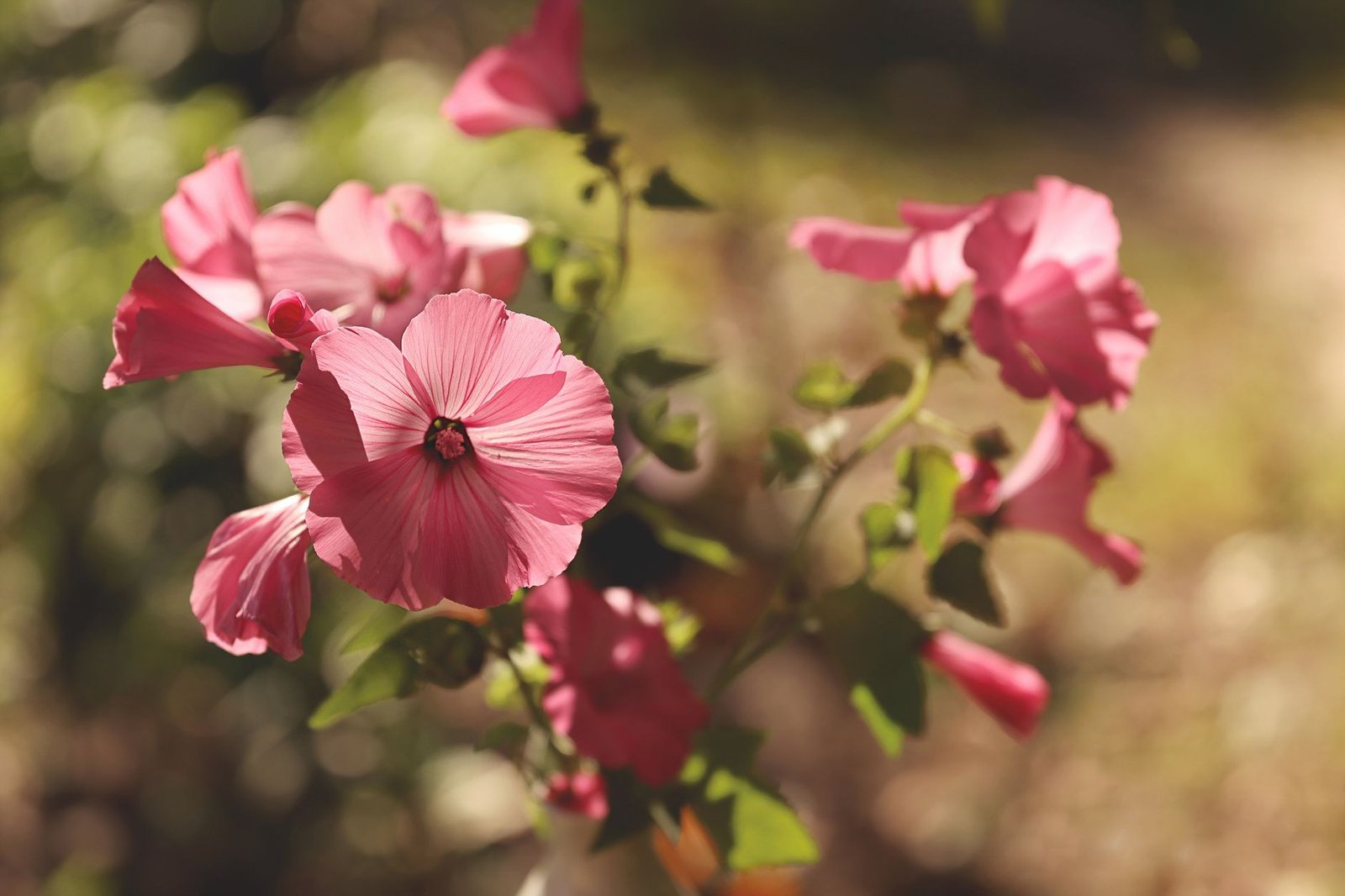
The quest for resilient, beautiful gardens continues to evolve, especially as environmental consciousness drives planting choices. For 2026, identifying the best drought-tolerant flowering perennials for sunny gardens is paramount for homeowners aiming for sustainable, low-maintenance landscapes. While a single “best” plant is subjective, top contenders that consistently deliver stunning floral displays and exceptional water-wise performance in full sun include varieties of Sedum, Lavender, Salvia, Agastache, and Echinacea, representing the pinnacle of horticultural innovation and adaptability for modern gardens.
Understanding Drought Tolerance and Full Sun Conditions
Creating a thriving garden in challenging conditions begins with selecting appropriate plant material. “Full sun” typically refers to areas receiving at least six hours of direct sunlight daily, a common feature in many residential landscapes. “Drought tolerance,” on the other hand, describes a plant’s ability to survive and flourish with minimal supplemental irrigation once established, a critical characteristic in an era focused on water conservation. Plants adapted to these conditions often possess specialized features such as thick, waxy leaves, deep root systems, or silvery foliage that reflects intense heat, ensuring their survival where other plants might falter. The resident choosing these plants contributes significantly to local water stewardship and reduces garden maintenance demands.
The benefits extend beyond water savings. Gardens composed of drought-tolerant, sun-loving perennials often exhibit increased resilience to pest and disease pressures, reducing the need for chemical interventions. They also provide consistent beauty throughout the growing season, offering vibrant colors and textures without constant vigilance. For 2026, the emphasis on ecological balance and reduced resource consumption makes these plant selections not just a practical choice, but an environmentally responsible one.
Top Contenders for 2026: Leading Drought-Tolerant Perennials
As horticultural science advances, new cultivars with enhanced disease resistance, extended bloom times, and improved drought tolerance are continually introduced. The following perennials stand out for their exceptional performance in 2026, offering both aesthetic appeal and practical benefits for sunny, dry garden spaces.
Sedum (Stonecrop)
Sedum, particularly upright varieties like ‘Autumn Joy’ and newer selections such as ‘Thunderhead’ or ‘Dark Magic’, remain unparalleled choices for sunny, dry conditions. These succulents feature fleshy leaves that store water, making them incredibly resilient. They offer a unique architectural quality with sturdy stems and broad flower heads that transition from green to pink, then russet, providing multi-season interest. Blooming from late summer into fall, Sedum is a crucial late-season nectar source for pollinators. Their adaptability to various soil types, provided excellent drainage, and their virtually pest-free nature make them a homeowner’s delight. Modern breeding focuses on more compact forms and deeper foliage colors, expanding their design versatility.
Lavender (Lavandula spp.)
Classic and beloved, Lavender continues to be a top pick for its fragrant foliage, beautiful purple blooms, and remarkable drought tolerance once established. English Lavender (Lavandula angustifolia) and Lavandin (Lavandula x intermedia) varieties, such as ‘Phenomenal’ or ‘Hidcote’, thrive in full sun and well-drained soil. Beyond their aesthetic and aromatic appeal, Lavender is deer and rabbit resistant, making it ideal for many suburban settings. The silvery-green foliage provides year-round interest, and the profusion of flowers attracts bees and butterflies. The trend in 2026 sees continued development of sterile cultivars or those with longer bloom cycles, enhancing their value in high-visibility garden areas.
Salvia (Sage)
The genus Salvia offers an incredibly diverse range of drought-tolerant flowering perennials perfect for sunny gardens. Varieties like Salvia nemorosa ‘Caradonna’ or ‘May Night’ deliver striking spikes of violet-blue flowers from late spring through summer, often reblooming with deadheading. Mexican Bush Sage (Salvia leucantha) provides a later season display with its velvety purple flowers. These plants are magnets for hummingbirds and butterflies and are largely ignored by deer. They demand excellent drainage and will perform best in leaner soils. For 2026, there is an increased availability of native Salvia species and hybrid crosses that offer enhanced cold hardiness and more compact growth habits, expanding their regional applicability.
Agastache (Hyssop)
Known as Hyssop or Hummingbird Mint, Agastache species like ‘Blue Boa’ or ‘Kudos Coral’ are increasingly popular for their airy flower spikes, extended bloom period, and strong resistance to dry conditions. These plants emit a delightful minty-anise fragrance when their foliage is brushed, adding a sensory dimension to the garden. Agastache is a powerhouse for attracting hummingbirds, butterflies, and bees, making it an excellent choice for pollinator-friendly gardens. They require full sun and impeccable drainage, preferring sandy or gravelly soils. Innovations in Agastache breeding for 2026 include cultivars with bolder flower colors and improved winter survival rates in colder zones, addressing previous limitations.
Echinacea (Coneflower)
Echinacea purpurea, the purple coneflower, and its numerous cultivars remain a staple for sunny, drought-tolerant landscapes. Known for their distinctive daisy-like flowers with raised central cones, they offer a wide palette of colors, including purple, pink, white, yellow, and orange. Echinacea blooms profusely from mid-summer into fall, providing continuous color and attracting a host of beneficial insects and birds (which feed on the seeds). They are robust, adaptable to various soil types as long as drainage is adequate, and relatively deer resistant. The horticultural industry in 2026 continues to introduce disease-resistant varieties and compact forms suitable for smaller garden spaces and container planting, broadening their appeal.
Gaillardia (Blanket Flower)
Gaillardia, or Blanket Flower, is a cheerful and extremely tough perennial, perfect for hot, dry, sunny spots. Varieties such as ‘Goblin’ or ‘Arizona Sun’ feature vibrant, daisy-like flowers in shades of red, orange, and yellow, often with contrasting tips, blooming almost continuously from early summer until frost. These plants are exceptionally drought-tolerant once established and thrive in poor, sandy soils, making them ideal for challenging garden areas. They are also attractive to butterflies. Breeders are focusing on larger flower sizes and improved perenniality in 2026, ensuring that Gaillardia continues to be a reliable choice for vibrant, water-wise landscapes.
Modern Landscape Design and Sustainability in 2026
The integration of drought-tolerant perennials is a cornerstone of modern sustainable landscape design. In 2026, this approach is further enhanced by technological advancements and a deeper understanding of ecological principles.
Smart Irrigation Integration
While drought-tolerant plants reduce the need for irrigation, initial establishment and occasional supplementary watering during extreme dry spells are often beneficial. Modern landscapes in 2026 frequently incorporate smart irrigation systems. These systems utilize soil moisture sensors, hyper-local weather data, and AI-driven algorithms to precisely deliver water only when and where it is needed. This prevents overwatering, minimizes runoff, and ensures plants receive optimal hydration without waste, aligning perfectly with water conservation goals.
Eco-Conscious Soil Amendments
Good soil preparation is fundamental for successful drought-tolerant gardens. For 2026, the focus is on enhancing soil structure and microbial activity without excessive water use. Incorporating materials like biochar improves water retention and nutrient availability in sandy soils while enhancing drainage in clayey ones. Mycorrhizal fungi applications promote stronger, more expansive root systems, increasing a plant’s ability to scavenge for water and nutrients. Slow-release organic composts, derived from local waste streams, also contribute to soil health and fertility sustainably.
Hardscaping for Water Retention and Permeability
Complementing the plant palette, hardscaping elements play a significant role in sustainable design. Permeable pavers and gravel pathways allow rainwater to infiltrate the ground rather than becoming runoff, recharging local groundwater. Rain gardens, strategically placed to capture and filter stormwater, utilize water-wise plants that can tolerate both wet and dry conditions. The use of recycled and locally sourced materials for patios, retaining walls, and decorative elements further reduces the environmental footprint of landscape projects, reflecting a holistic approach to garden design in 2026.
Cultivation and Care for Resilient Gardens
To maximize the performance of drought-tolerant flowering perennials, specific cultivation practices are recommended:
- Site Selection and Soil Preparation: Ensure the chosen location receives full sun. Prioritize excellent drainage; amending heavy clay soils with organic matter and grit can improve structure. For sandy soils, adding compost can enhance water retention slightly while maintaining drainage.
- Initial Watering and Establishment: Even drought-tolerant plants require consistent watering during their first growing season to establish a robust root system. Once established (typically after one to two years), supplemental watering can be significantly reduced or eliminated, depending on regional rainfall.
- Mulching: Apply a 2-4 inch layer of organic mulch (e.g., shredded bark, compost, gravel) around plants. Mulch conserves soil moisture, regulates soil temperature, and suppresses weeds, further reducing water competition and maintenance.
- Minimal Fertilization: Drought-tolerant perennials generally thrive in lean soils and do not require heavy fertilization. Excessive nutrients can promote lush, weak growth that is more susceptible to drought stress and pests. A light application of balanced organic fertilizer in spring is usually sufficient if needed.
- Pruning and Deadheading: Deadheading spent flowers encourages reblooming and maintains a tidy appearance. Selective pruning can promote bushier growth and enhance air circulation, contributing to plant health.
By thoughtfully selecting and maintaining these superior drought-tolerant flowering perennials, homeowners can create stunning, ecologically responsible gardens that flourish in sunny conditions while minimizing water consumption. The robust beauty and environmental benefits offered by these plants make them indispensable components of resilient landscapes in 2026 and beyond.