
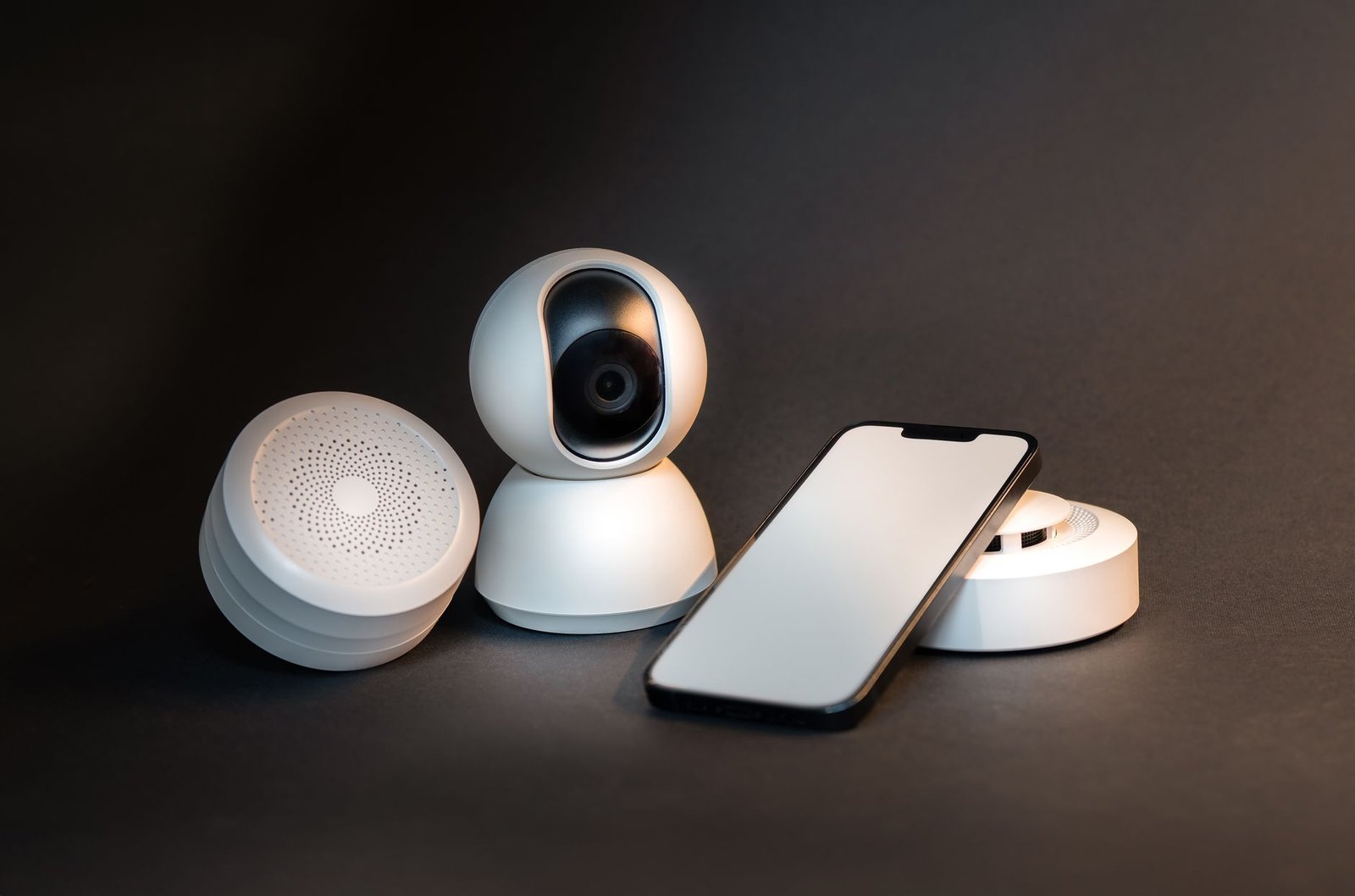
Smart home devices failing to communicate seamlessly can transform an envisioned ecosystem of comfort into a source of considerable frustration. In 2026, as interconnected living becomes more pervasive, ensuring all components in a residence operate in harmony is paramount for domestic tranquility and efficiency. This article outlines five key strategies to enhance device compatibility, guiding the homeowner toward a truly integrated smart home system.
Understanding the Compatibility Landscape in 2026
The Evolving Ecosystem and Its Challenges
The smart home ecosystem in 2026 is characterized by both innovation and continued complexity. While strides have been made with unified standards, a degree of fragmentation persists due to diverse proprietary technologies and varying device capabilities. The widespread adoption of communication protocols such as Matter and Thread aims to bridge these gaps, offering a more standardized foundation for cross-brand communication. However, integration challenges often arise when incorporating older legacy devices that do not support these newer standards. Industry trends in 2026 also highlight the increasing integration of on-device AI for predictive automation, allowing systems to anticipate resident needs and dynamically adjust environments, from bio-adaptive lighting patterns that mimic natural circadian rhythms to climate control that learns occupancy habits.
Common Compatibility Hurdles
Several factors contribute to devices failing to interact effectively. Proprietary communication protocols remain a significant hurdle, as some manufacturers still favor closed systems, limiting interoperability with competitors. Differing software versions across devices, even within the same brand, can also lead to communication breakdowns. Furthermore, the sheer volume of smart devices now present in many homes can strain network infrastructure, leading to bandwidth limitations, dropped connections, and overall system instability. Ensuring a robust and modern network foundation is as critical as selecting compatible hardware.
5 Strategies for Seamless Integration
1. Embrace Universal Communication Protocols
-
Adopt Matter and Thread-Certified Devices: The most impactful strategy for improving compatibility in 2026 is prioritizing devices certified for Matter and Thread. Matter provides an application layer that enables devices from different ecosystems to communicate directly over existing network technologies like Wi-Fi, Thread, and Ethernet. Thread, a low-power mesh networking protocol, offers a reliable and scalable network for IoT devices, often complementary to Wi-Fi. By choosing products that support these standards, the homeowner establishes a foundation for true cross-brand operability.
-
Leverage Wi-Fi 7: For high-bandwidth devices and overall network stability, ensure the home’s network infrastructure utilizes Wi-Fi 7 (802.11be). This latest generation offers significantly higher speeds, lower latency, and improved capacity, crucial for supporting numerous concurrent smart home devices, including high-definition cameras, smart displays, and advanced sensor arrays, ensuring they can ‘talk’ without digital bottlenecks.
2. Consolidate with a Central Hub or Gateway
-
Centralized Control: While Matter aims to reduce the dependency on a single hub, a robust central smart home hub or gateway remains an invaluable tool for managing device compatibility and automation. Platforms like Apple Home, Amazon Alexa, Google Home, or Samsung SmartThings often act as a unifying interface, allowing the resident to control and automate devices across various brands from a single application, even those using different underlying protocols.
-
Edge AI Integration: Modern hubs in 2026 increasingly feature edge AI capabilities, performing data processing locally rather than solely relying on cloud services. This reduces latency, improves responsiveness, and enhances privacy, allowing for faster and more reliable execution of automations and device commands within the home network.
3. Prioritize Devices with Open APIs and Certifications
-
Commitment to Openness: When selecting new smart devices, investigate the manufacturer’s commitment to open standards and documented APIs (Application Programming Interfaces). Devices that provide open APIs allow developers to create custom integrations, significantly expanding their compatibility potential beyond officially supported ecosystems.
-
Security and Longevity: Look for devices that explicitly state certifications for industry standards and robust security protocols. This not only indicates a commitment to interoperability but also suggests a product designed for longevity and ongoing support, protecting the homeowner’s investment against rapid obsolescence.
4. Leverage Advanced Network Infrastructure
-
Robust Mesh Wi-Fi Systems: A fragmented Wi-Fi signal can lead to connectivity issues. Implementing a whole-home mesh Wi-Fi system ensures ubiquitous and strong network coverage, essential for a large number of smart devices spread across a property. These systems provide seamless roaming and intelligent traffic management, optimizing performance.
-
Dedicated IoT VLANs: For enhanced security and network performance, consider setting up a dedicated VLAN (Virtual Local Area Network) specifically for smart home devices. This isolates IoT traffic from primary network traffic, preventing potential security breaches from affecting core devices and reducing network congestion. Advanced Wi-Fi 7 routers make this easier to implement.
5. Implement Regular Firmware and Software Updates
-
Essential for Performance and Security: Firmware and software updates are not merely optional; they are critical for maintaining device compatibility, enhancing security, and introducing new features. Manufacturers frequently release updates to patch vulnerabilities, improve device communication, and ensure compatibility with evolving standards like new Matter specifications.
-
Automated Update Management: Where possible, enable automatic updates for smart devices and hubs. This ensures the system always runs the latest, most compatible versions, minimizing the risk of communication failures due to outdated software. Regularly check manufacturer websites for manual updates if automated options are not available.
Future-Proofing the Integrated Home
Beyond 2026: Emerging Technologies
Looking beyond the immediate horizon of 2026, emerging technologies promise even greater integration. Ambient computing, where technology seamlessly disappears into the environment, will rely heavily on robust device compatibility. Advancements in sensor fusion, combining data from multiple sensor types for more accurate environmental understanding, will further refine automated responses. Research into energy harvesting for IoT devices aims to power sensors and actuators from ambient sources, reducing the need for batteries and enabling truly ‘fit and forget’ smart home components.
Material Science and Integrated Design
The aesthetic and functional integration of smart technology is also being reshaped by modern material science. Self-healing polymers are being developed for device casings, offering increased durability and longevity. Energy-scavenging textiles are finding applications in smart blinds or upholstery that can power small sensors. Furthermore, translucent photovoltaics are becoming integrated into windows and architectural glass, generating power while maintaining natural light. These material developments necessitate equally advanced and compatible digital systems to realize their full potential within the domestic landscape.
The Value of Expert Consultation
For complex smart home installations or when facing persistent compatibility challenges, engaging an expert home interior designer, landscape architect, or smart home integrator can be invaluable. These professionals possess deep knowledge of current technologies, industry trends, and integration best practices, capable of designing and implementing a cohesive system tailored to specific resident needs and preferences.
Conclusion
Achieving a seamlessly integrated smart home in 2026 is an attainable goal for the diligent homeowner. By proactively embracing universal communication protocols like Matter and Thread, consolidating control through central hubs, prioritizing open-standard devices, optimizing network infrastructure with Wi-Fi 7 and VLANs, and consistently applying software updates, residents can unlock the full potential of their connected living spaces. A harmonious smart home elevates domestic comfort, enhances efficiency, and provides a truly intuitive environment where every device contributes to an optimized living experience.