
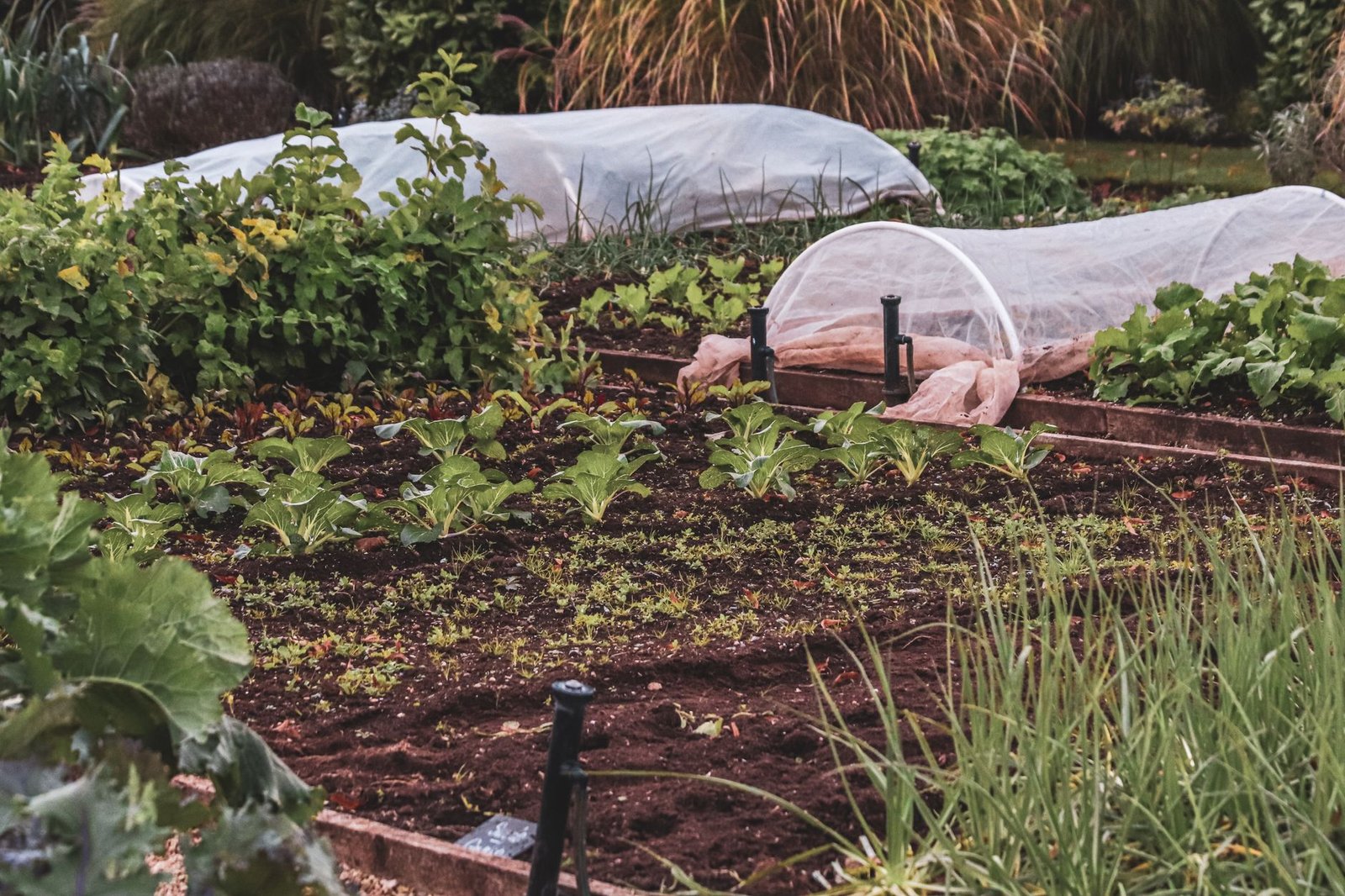
When a vegetable garden fails to flourish, exhibiting stunted growth, low yields, or disease susceptibility, suboptimal sunlight exposure is frequently a primary culprit. Addressing common errors in assessing and managing sunlight is paramount for ensuring robust growth and abundant harvests in 2026. This article identifies seven prevalent sunlight mistakes and provides actionable, modern solutions for the discerning homeowner.
The Critical Role of Sunlight in 2026 Gardening
Sunlight serves as the fundamental energy source for all photosynthetic life, directly impacting a vegetable plant’s ability to produce food. Adequate light is not merely about brightness; it encompasses intensity, duration, and spectral quality. In 2026, understanding the precise Daily Light Integral (DLI) required by specific plant varieties is more critical than ever, with advancements in horticultural science highlighting the nuanced needs of different crops.
For optimal growth, most fruiting vegetables like tomatoes, peppers, and squash demand at least 6-8 hours of direct sun daily. Leafy greens and root vegetables may tolerate slightly less, but even these benefit significantly from ample light. Insufficient light can lead to leggy plants, poor fruit set, and increased vulnerability to pests and diseases.
7 Common Sunlight Mistakes & Their 2026 Solutions
Mistake 1: Underestimating Full Sun Requirements
Many novice gardeners underestimate the sheer volume of direct sunlight truly required for ‘full sun’ vegetables. A spot that appears bright may only receive filtered light or direct sun for a short duration, insufficient for high-yield crops.
2026 Solution: The user must accurately measure sunlight exposure. Modern light meters, often integrated into smart garden systems or available as standalone devices, provide precise DLI readings. These tools, coupled with 2026 plant mapping software, allow for the simulation of sun paths and the accurate identification of garden zones based on their actual light availability. For areas with marginally insufficient light, strategic planning for supplemental lighting during seedling stages or considering light-boosting reflective ground covers can be beneficial.
Mistake 2: Ignoring Seasonal Sun Path Shifts
The sun’s angle and path across the sky change dramatically between seasons. A location basking in full sun during summer might be heavily shaded in spring or fall, catching residents off guard.
2026 Solution: Leverage augmented reality (AR) sun path tracking applications, widely available on smartphones and tablets. These apps overlay predicted sun paths onto a live camera view of the garden, allowing the homeowner to visualize shading patterns throughout the year. Annual garden planning should incorporate this dynamic solar data, perhaps utilizing raised beds with wheels for seasonal repositioning or planting different crops in specific zones depending on the time of year.
Mistake 3: Overlooking Microclimates and Shading Elements
Large structures like homes, fences, or mature trees create complex, localized shade patterns that are often missed during a casual observation. These microclimates can vary significantly even within a small garden space.
2026 Solution: Conduct a detailed site analysis using a grid-based approach. Place multiple, inexpensive IoT-enabled light sensors across the garden to log light data over several days. This data, analyzed via a smart garden hub, reveals precise microclimates. Strategic pruning of deciduous trees during dormant periods can improve winter and spring light, while modern reflective garden panels, utilizing advanced polymer composites, can redirect indirect light into shaded pockets without creating hotspots.
Mistake 4: Relying on Eye-Test Instead of Measurement
Human perception of light is subjective and unreliable for determining optimal growing conditions. What appears ‘bright enough’ to the eye may be far below the photosynthetic needs of many vegetables.
2026 Solution: Shift to data-driven decision-making. Digital lux meters and quantum flux meters (PAR meters), now more affordable and user-friendly, provide objective measurements of photosynthetically active radiation. Integrating these with a smart home garden system allows for continuous monitoring and data logging, empowering the user to make informed adjustments rather than relying on guesswork. Predictive analytics, increasingly available in garden management platforms, can even forecast light availability based on historical weather and seasonal data.
Mistake 5: Neglecting Vertical Gardening Sunlight
Vertical gardens, popular for space-saving, can inadvertently create self-shading issues. Tiers or closely packed pockets can block light from reaching lower plants, leading to uneven growth and productivity.
2026 Solution: Design vertical systems with optimal sun orientation in mind. Modular vertical gardens featuring rotating panels or individual plant pockets allow for dynamic adjustment to follow the sun. Furthermore, integrating smart LED grow lights, particularly thin-film flexible arrays, into the structure ensures that lower tiers receive adequate supplemental light, particularly beneficial for early-season starts or during periods of low natural light. Selecting compact, sun-loving varieties for upper tiers and more shade-tolerant options for lower sections is also crucial.
Mistake 6: Improper Use of Shade Cloths or Reflectors
While shade cloths protect delicate plants from intense summer sun, and reflectors boost light in dim areas, their improper application can be detrimental. Too dense a shade cloth can block essential light, while poorly placed reflectors can cause scorching or uneven growth.
2026 Solution: Employ smart shade cloths with adjustable transparency. Electrochromic materials, currently being refined, could allow real-time adjustment of light transmission based on sensor readings and plant needs. Automated retractible shade systems, controlled by light sensors, are becoming more common. When using reflectors, opt for horticultural-grade materials designed for diffuse reflection rather than specular (mirror-like), preventing hotspots. Position them strategically to bounce light evenly, ideally integrated into modular garden wall systems.
Mistake 7: Not Adapting to New Plant Varieties or Technologies
Gardeners often stick to traditional methods and heirloom varieties, unaware of newer cultivars developed for specific light conditions or the advent of advanced gardening technologies.
2026 Solution: Actively research and integrate modern developments. Plant breeders are continually releasing new vegetable cultivars with enhanced resilience, including those better suited for partial shade or tolerant of varied DLI ranges. For example, some ‘space-saving’ or ‘container-friendly’ varieties are often bred for higher yields in less-than-ideal light. Explore advanced hydroponic or aeroponic systems for controlled environments, allowing for precise light customization using full-spectrum LED lighting. Adoption of AI-driven garden assistants can provide personalized recommendations for plant selection and light management based on the user’s specific environmental data.
Proactive Sunlight Management for a Bountiful 2026
Leverage 2026 Technologies
The paradigm for successful vegetable gardening in 2026 shifts from reactive problem-solving to proactive, data-informed management. Smart sensors, Internet of Things (IoT) integration, and AI-driven garden assistants are not merely luxuries but essential tools for maximizing yield and plant health. These technologies provide real-time data, predictive insights, and automated adjustments that streamline light management, water delivery, and nutrient cycling.
Designing for Dynamic Sunlight
When planning a new garden or revamping an existing one, consider layouts that can adapt to changing light conditions. Raised beds offer flexibility in orientation and can be strategically placed. Incorporating deciduous trees at the edges of the garden can provide beneficial shade during the intense summer months while allowing full sun penetration in cooler seasons when leaves have fallen. Prioritize plant spacing to minimize self-shading, and consider succession planting strategies that rotate sun-loving and shade-tolerant crops throughout the growing season.
By understanding and addressing these seven common sunlight mistakes with the advanced tools and knowledge available in 2026, the homeowner can transform a struggling vegetable patch into a thriving, productive garden. Precision in light management is not just a trend; it is the cornerstone of successful, sustainable gardening, promising abundant harvests and robust plant health for years to come.