
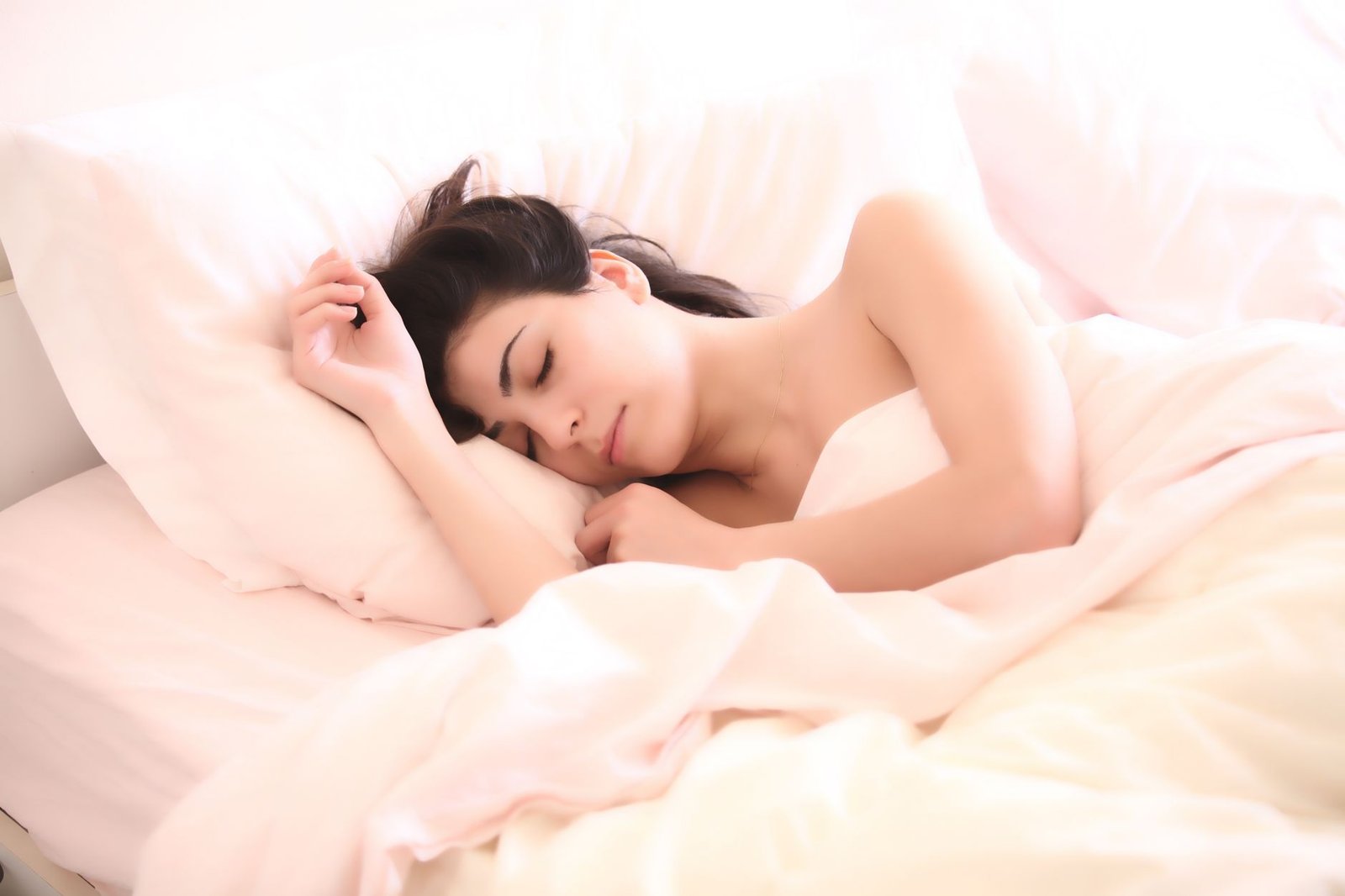
In 2026, the quest for truly restorative sleep remains a central pillar of domestic comfort and overall wellness. For those experiencing restless nights, identifying the single “best” natural sleep aid is less about a universal solution and more about discovering the most effective, personalized approach from a diverse and evolving array of options. The current landscape highlights an increasing integration of advanced research into traditional remedies, alongside cutting-edge material science and smart home technologies, all converging to support deeper, more consistent slumber.
Understanding Restless Sleep in 2026
The Modern Sleep Landscape
Contemporary life, characterized by relentless digital connectivity and escalating daily pressures, presents unique challenges to undisturbed sleep. Blue light exposure from smart devices, often integrated seamlessly into domestic spaces, can significantly disrupt circadian rhythms. Elevated stress levels frequently manifest as difficulty falling asleep or nocturnal awakenings. While smart home systems now offer data on sleep patterns, addressing the root causes of restlessness remains paramount.
The Shift Towards Natural Solutions
There is a pronounced and growing preference among homeowners for natural, non-pharmacological interventions to enhance sleep quality. This trend is fueled by a desire for holistic wellness, backed by advancements in scientific research validating traditional remedies and nutritional supplements. Consumers increasingly seek solutions supporting the body’s natural sleep mechanisms, driving significant innovation in refined formulations and delivery methods for optimal impact.
Key Natural Sleep Aids for 2026
Herbal Allies: Time-Tested and Evolving
- Valerian Root: Renowned for sedative properties, valerian remains popular. In 2026, formulations often feature standardized extracts and slow-release mechanisms to sustain calming effects, valued for reducing sleep onset time and improving continuity.
- Chamomile: Beyond traditional tea, chamomile is found in advanced tinctures and diffusers. Its apigenin content promotes relaxation. Newer product lines feature enhanced extracts for greater bioavailability.
- Lavender: The calming aroma of lavender is a cornerstone of sleep hygiene. Advanced aromatherapy diffusers in 2026 offer precise dispersion, often integrating with smart home systems. Biophilic design incorporates lavender elements into bedroom aesthetics for a multisensory calming effect.
- Lemon Balm: A gentle nervine, lemon balm helps reduce anxiety and promote tranquility without drowsiness. Research continues to explore its efficacy in improving mood alongside sleep, leading to its inclusion in multi-ingredient sleep formulations.
- Passionflower: Used to alleviate anxiety and insomnia, passionflower enhances GABA levels, slowing brain activity. Its mild sedative properties suit individuals with anxiety-induced restlessness.
Nutritional & Hormonal Support: Beyond the Basics
- Melatonin: As the body’s natural sleep hormone, melatonin supplements are widely used. In 2026, emphasis is on nuanced dosing and diverse delivery methods—fast-acting sublingual sprays and extended-release capsules. Responsible use guidelines stress starting with the lowest effective dose.
- Magnesium: Critical for muscle relaxation and nervous system regulation, magnesium glycinate and L-threonate are favored for superior bioavailability. These forms directly support neurological calming, with smart supplement dispensers even suggesting optimal timing based on a resident’s sleep patterns.
- L-Theanine: Found in green tea, L-Theanine promotes relaxation and reduces stress without sedation by enhancing alpha brain wave activity. Modern supplements often combine it with magnesium or melatonin for synergistic effects.
- 5-HTP (5-Hydroxytryptophan): A precursor to serotonin and melatonin, 5-HTP can aid sleep. Careful consideration is advised due to potential interactions, making professional consultation paramount.
Innovative & Emerging Natural Approaches
- Adaptogens (e.g., Ashwagandha, Reishi Mushroom): These botanicals help the body adapt to stress, indirectly improving sleep quality by regulating cortisol. Ashwagandha is noted for its anxiolytic properties, contributing to a calmer state.
- CBD (Cannabidiol): The non-psychoactive compound continues to integrate into wellness. In 2026, with clearer regulatory frameworks, advanced nano-emulsified and sustained-release CBD formulations offer potential relief from anxiety, pain, and inflammation—factors often contributing to restless nights.
- Sleep-Inducing Scents & Textiles: Beyond traditional essential oils, 2026 sees smart diffusers offering personalized scent profiles and timed release, often integrating with circadian lighting systems. Advanced natural fiber textiles (e.g., bamboo, eucalyptus lyocell) are engineered for thermal regulation and can even incorporate micro-encapsulated natural sleep aids or calming scents released by body heat.
Integrating Natural Aids for Optimal Sleep Quality
Creating a Restorative Environment
The physical surroundings of the bedroom are as critical as any supplement. An ideal sleep sanctuary is dark, quiet, and cool, maintained at an optimal temperature between 60-67°F (15-19°C). Biophilic design elements, such as natural wood accents and indoor plants, contribute to a sense of calm. Natural materials in bedding, like organic cotton and latex mattresses, offer superior breathability. Smart lighting systems featuring dynamic circadian rhythm support automatically adjust light intensity and color to align with the body’s natural clock.
Holistic Lifestyle Practices
Effective natural sleep aid integration is amplified by foundational lifestyle practices. Adhering to a consistent sleep schedule helps regulate the body’s internal clock. Regular, moderate physical activity, ideally completed several hours before bedtime, promotes deeper sleep. A mindful approach to nutrition, prioritizing whole foods and avoiding heavy meals, excessive caffeine, and alcohol close to sleep time, is also crucial. Implementing a “digital detox” period before sleep allows the mind to unwind naturally.
Personalized Approach and Professional Guidance
Given the individuality of sleep challenges, the “best” natural sleep aid is ultimately subjective. What works for one resident might not suit another, necessitating personal observation and adjustment. Prior to incorporating any new supplement, especially for residents with pre-existing medical conditions or those taking other medications, consultation with a healthcare professional or qualified wellness expert is strongly recommended. Such guidance ensures safety, prevents potential interactions, and helps tailor the most effective strategy.
Conclusion
The journey to alleviate restless nights in 2026 is paved with a wealth of innovative and traditional natural sleep aids. There is no singular magic bullet; rather, the optimal solution emerges from a thoughtful, personalized selection of natural remedies, harmoniously integrated with a meticulously designed restorative sleep environment and consistent holistic lifestyle practices. By embracing this multi-faceted approach, residents can significantly enhance their sleep quality, fostering an environment where deep, rejuvenating rest is not just an aspiration but a consistent reality, contributing profoundly to overall well-being and domestic comfort.