
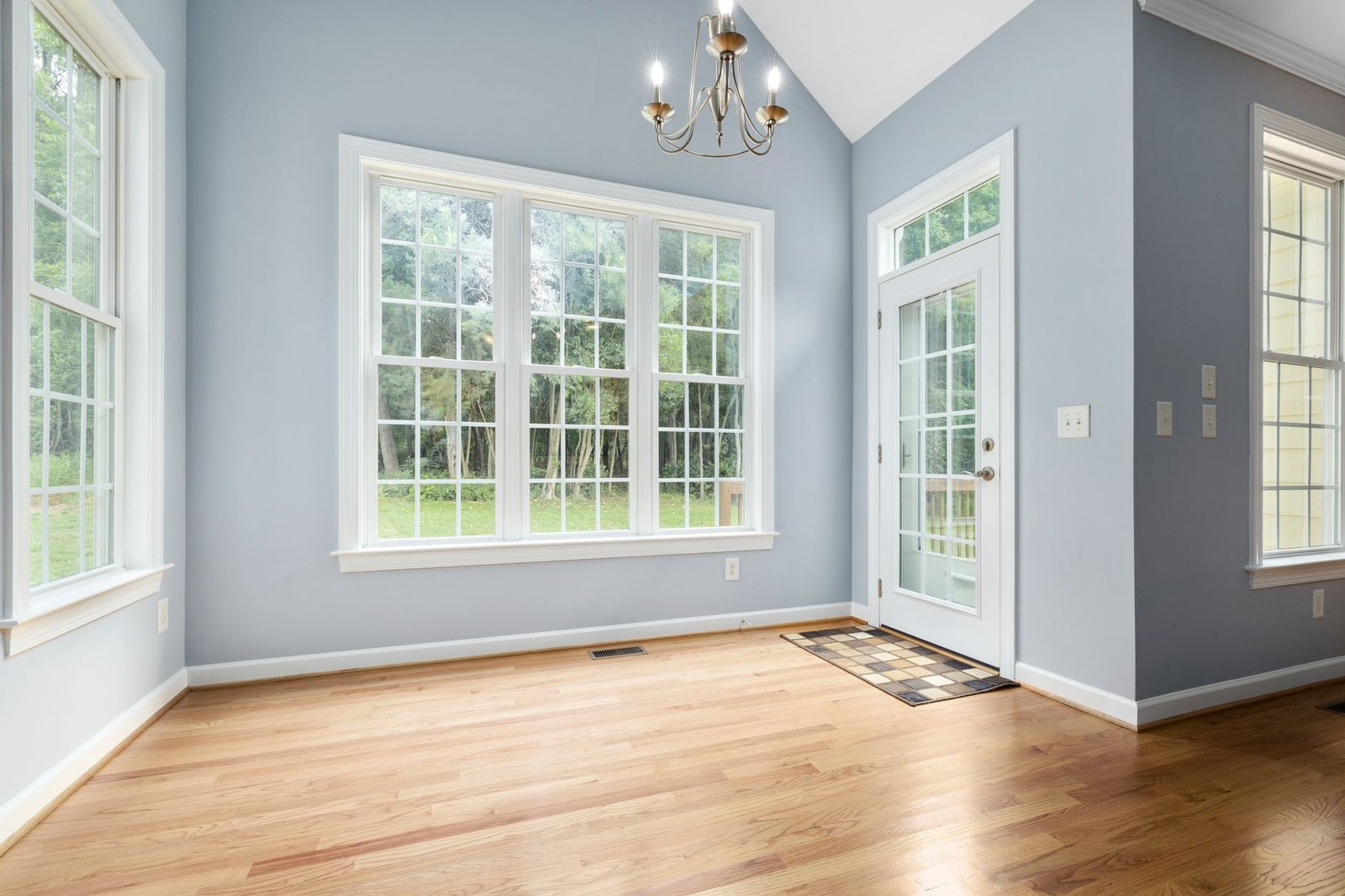
A home bathed in natural light fosters a sense of well-being, improves mood, and can even enhance productivity. However, many residents contend with dimly lit interiors, often assuming that the only solution involves costly and extensive structural renovations like adding new windows. Fortunately, transforming a dark space into a luminous sanctuary does not require such drastic measures. For 2026, homeowners can leverage a variety of innovative design and decor strategies, material advancements, and clever placement techniques to dramatically increase natural light without touching a single wall. The following seven expert-approved tricks focus on maximizing existing light sources and optimizing internal reflections, offering budget-friendly and impactful solutions.
Maximizing Existing Light Sources
1. Strategic Placement of Reflective Surfaces
One of the most effective non-structural methods for amplifying natural light involves the intelligent deployment of reflective surfaces. Mirrors, particularly large ones, are unparalleled in their ability to bounce light deeper into a room. Placing a substantial mirror directly opposite a window or adjacent to it can effectively double the perceived light entry, spreading brightness to otherwise shadowy corners. For 2026, this concept extends to integrated smart mirrors featuring subtle, self-adjusting LED backlighting that complements natural illumination, adapting throughout the day. Beyond traditional mirrors, high-gloss finishes on furniture, lacquered accent pieces, and even polished metallic decor elements can contribute significantly to light dispersion. Consider selecting reflective art pieces or framed prints with glass fronts to further catch and scatter available light. The homeowner should experiment with angles to find the optimal position for maximum light reflection, transforming a single light source into a wider field of illumination.
2. Opting for Light-Filtering Window Treatments
While curtains and blinds are essential for privacy and light control, heavy or dark coverings can significantly impede natural light flow. The resident seeking to brighten a space should prioritize light-filtering rather than light-blocking window treatments. Sheer fabrics, such as linen, voile, or modern synthetic blends, allow a considerable amount of daylight to penetrate while still offering a degree of privacy and diffusing harsh glare. In 2026, advancements in textile technology include smart fabrics that can automatically adjust their transparency based on external light conditions or pre-set preferences, offering dynamic light management. For areas requiring more privacy, layering sheer curtains with opaque drapes that can be fully drawn back during the day ensures flexibility. Mounting curtain rods higher and wider than the window frame allows the fabric to be pulled entirely clear of the window when open, maximizing the glass exposure and light intake.
Strategic Use of Surfaces and Finishes
3. Embracing a Bright Color Palette
The colors chosen for walls, ceilings, and even flooring play a pivotal role in a room’s luminosity. Darker colors absorb light, making a space feel smaller and dimmer, whereas lighter colors reflect it, creating an open and airy ambiance. The homeowner should select a bright, reflective color palette, with whites, off-whites, pastels, and very light neutrals being ideal. For 2026, trends lean towards biophilic-inspired whites and soft greens, creating a calm, natural feel. Gloss or satin finishes on paint can also enhance light reflection more than matte finishes. When it comes to ceilings, a crisp white is almost always the best choice, as it helps bounce light downwards and makes the room feel taller. Even floors can contribute; lighter wood tones, polished concrete, or pale tiles will reflect light more effectively than dark carpets or heavy wood. Consider paints with a subtle luminescent quality, a developing trend that incorporates microscopic reflective particles for enhanced brightness without overt sparkle.
4. Incorporating Transparent and Translucent Materials
Introducing furniture and decor made from transparent or translucent materials can prevent visual barriers and allow light to pass through unimpeded. Glass or acrylic coffee tables, console tables, and chairs create an illusion of spaciousness and lightness. These pieces do not