
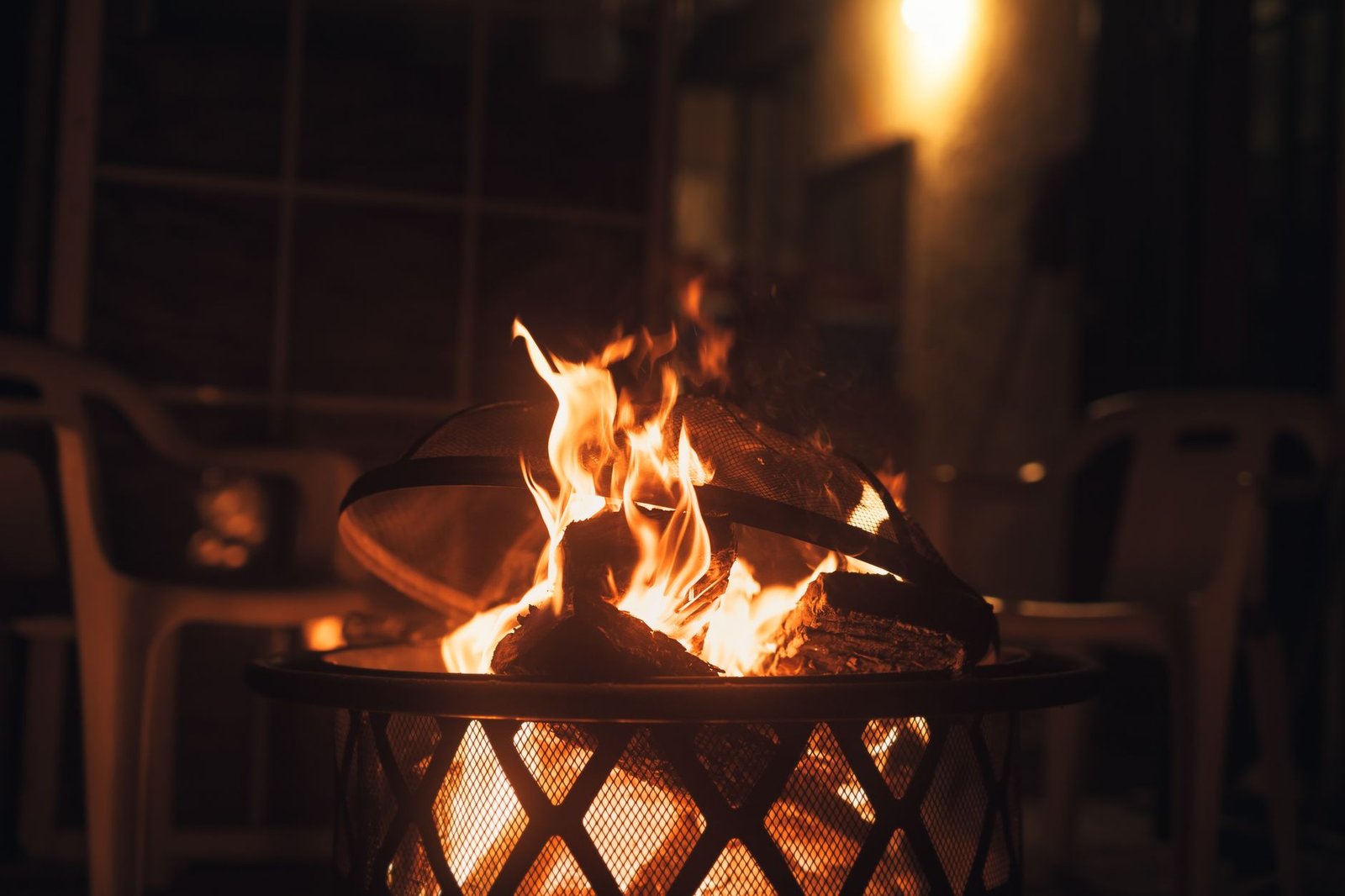
When considering outdoor heating solutions for compact external areas, residents frequently weigh the merits of fire pits against chimineas. For small backyard warmth in 2026, the optimal choice depends significantly on specific priorities regarding safety, heat distribution, aesthetics, and spatial constraints. While both provide ambient warmth, a chiminea often offers superior focused heat and enhanced safety in very confined footprints due to its contained design, whereas modern fire pits present greater versatility and a broader social appeal.
Understanding the Contenders: Fire Pits and Chimineas in 2026
The Modern Fire Pit
Traditionally, fire pits have served as open-top vessels designed to contain a fire, acting as a central gathering point. In 2026, the landscape of fire pit design has evolved considerably. Modern iterations boast sophisticated designs, often incorporating dual-fuel capabilities (wood and various gas options), smart ignition systems, and even integrated seating elements. Materials frequently include advanced lightweight concrete composites, durable Corten steel with its characteristic rust patina, and recycled glass aggregates for an aesthetic edge. Many fire pits are modular, allowing for customizable configurations that can adapt to evolving outdoor space needs.
The Evolving Chiminea
Chimineas are freestanding, often front-loading fireplaces characterized by a vertical chimney that directs smoke upwards. Their historical design has been refined for 2026, featuring enhanced flue designs for superior smoke management and improved draw. Contemporary chimineas are constructed from a variety of heat-resistant materials, including advanced refractory clays, sturdy cast aluminum, and various composite blends that offer increased durability and thermal efficiency. The emphasis in current designs is on cleaner burning, reduced particulate emissions, and often a more compact, vertical footprint compared to many fire pit designs.
Key Comparison Factors for Small Backyards
Space Requirements and Footprint
For small backyards, the physical footprint is a critical consideration. Fire pits, particularly those designed for larger flames, typically require substantial clearance from structures, low-hanging branches, and outdoor furniture due to their open flame. While compact and portable fire pit models exist, the general design necessitates more horizontal space. Chimineas, conversely, tend to have a smaller horizontal footprint, compensating with vertical height. Their directed heat projection means less surrounding space is needed for comfort, making them potentially more suitable for exceptionally tight areas where lateral space is at a premium.
Safety Considerations
Safety is paramount, especially in smaller, more enclosed environments. Fire pits, with their open flames, inherently carry a higher risk of embers escaping, requiring diligent supervision and often necessitating spark screens. The proximity of an open flame to surrounding elements or individuals can also be a concern. Chimineas, by design, offer a more contained fire. The firebox enclosure and vertical chimney significantly reduce the likelihood of sparks or embers escaping and minimize direct contact with the flame. The contained nature of a chiminea often provides a higher perceived and actual safety level in cramped conditions, making it a preferable option for residents prioritizing fire containment.
Heat Output and Distribution
The method of heat distribution differs significantly between the two. A fire pit generates radiant heat in a 360-degree radius, making it ideal for small groups where individuals are seated around the perimeter. This open warmth creates a communal atmosphere. A chiminea, however, provides more directed heat, primarily emanating from its front opening. This focused warmth can be highly efficient for one or two people seated directly in front, making it effective for intimate settings. For focused warmth in a very small area where occupants are positioned directly in front of the heat source, a chiminea can be more effective.
Aesthetics and Design Integration
Aesthetically, both options offer distinct appeals. Fire pits are often seen as modern, minimalist centerpieces, capable of being integrated into patio designs or standing alone as sculptural elements. Their versatility in material and form allows them to complement various contemporary outdoor styles. Chimineas, while having traditional, rustic roots, are also available in sleek, modern designs that function as unique focal points. Their vertical presence can add architectural interest, and the contained firebox can create a dramatic visual effect.
Maintenance and Cleaning
Maintenance routines are relatively straightforward for both. Fire pits require regular ash removal and surface cleaning, with gas models typically being lower maintenance. Chimineas also necessitate ash removal, often through the main opening, and occasional chimney cleaning to ensure optimal draw and prevent creosote buildup, especially with wood-burning models. Gas-powered variants of both minimize ash-related upkeep.
Fuel Types and Efficiency
Fire pits offer a wider range of fuel flexibility, accommodating wood, propane, and natural gas. Bioethanol fire pits are a rapidly growing trend for their clean burn and smokeless operation, making them highly suitable for urban backyards or areas with strict emissions regulations. Chimineas are traditionally wood-burning, though gas insert options are becoming more prevalent. Advanced combustion chambers in 2026 chimineas are designed to improve wood-burning efficiency and reduce smoke output.
2026 Trends and Material Innovations
Sustainability and Smart Technology
The outdoor living sector in 2026 is heavily influenced by sustainability and smart home integration. There is a strong movement towards eco-conscious materials, including recycled metals, sustainably sourced concrete, and bio-composite structures that minimize environmental impact. Fuel efficiency is also a key trend, with gas fire pits featuring smart controls for precise flame height and temperature adjustments, thereby minimizing fuel consumption. Bioethanol continues its rise as a clean, renewable, and virtually smokeless fuel option. Furthermore, smart features such as Bluetooth connectivity for remote ignition, programmable timers, integrated LED lighting, and even discreet sound systems are becoming common in higher-end gas fire pit models, enhancing user convenience and ambient experience.
Durability and Portability
Material science advancements have significantly improved the durability and portability of outdoor heating appliances. Advanced alloys offer superior corrosion resistance and lighter weight, making units easier to move and store. Composite materials provide enhanced resistance to weathering, cracking, and fading, reducing the long-term maintenance burden for residents. Modular designs are also gaining traction, allowing components to be easily assembled, disassembled, or reconfigured to suit changing outdoor layouts or for seasonal storage, catering to the dynamic needs of homeowners with smaller outdoor spaces.
Making the Informed Decision
Choosing between a fire pit and a chiminea for a small backyard in 2026 ultimately hinges on balancing individual priorities and spatial realities. Residents prioritizing maximum safety in extremely confined areas, desiring highly focused heat, valuing efficient smoke management, and appreciating a traditional or sculptural aesthetic may find a chiminea to be the superior choice. Conversely, homeowners desiring a central gathering point, preferring 360-degree radiant warmth, seeking broader design versatility, and open to the convenience of gas or clean-burning bioethanol options are likely to find a modern fire pit more appealing. Regardless of the selection, it is crucial for the homeowner to consult local fire codes and regulations pertaining to outdoor heating appliances before installation and use.