
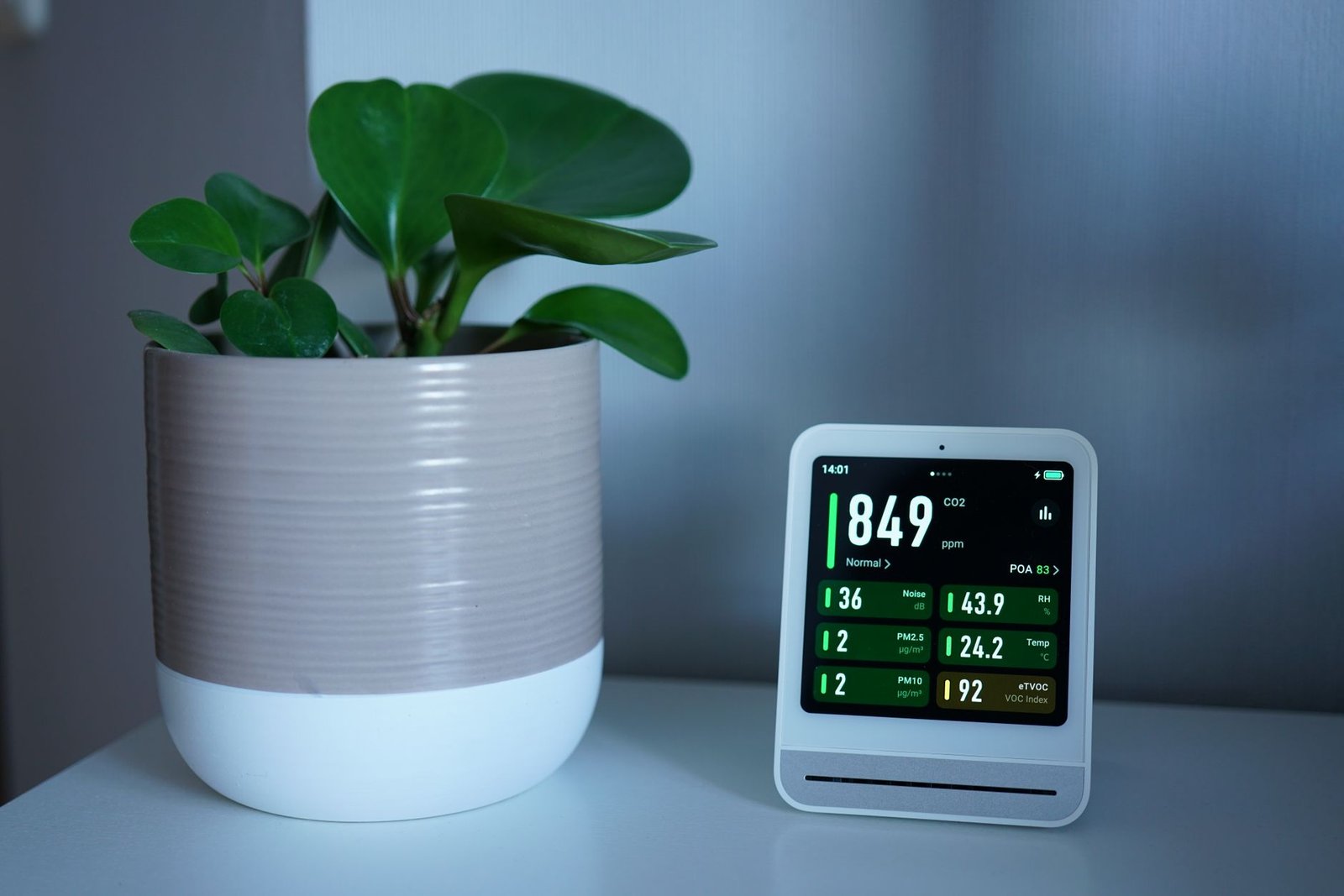
For individuals experiencing persistent allergies within their living spaces, improving indoor air quality is paramount. This article outlines seven significant home upgrades and strategic approaches for 2026, designed to mitigate common allergens and foster a healthier domestic environment. Implementing these modern solutions can substantially alleviate allergy symptoms and enhance overall comfort for the resident.
Understanding Indoor Air Quality and Allergy Triggers
Indoor air can often harbor a higher concentration of pollutants than outdoor air, making homes significant sources of allergen exposure. Common culprits include dust mites, pet dander, mold spores, pollen infiltration, and volatile organic compounds (VOCs) off-gassing from building materials and furnishings. In 2026, the emphasis on holistic home wellness and smart environmental control continues to drive innovations in detection and mitigation. Advanced sensors now offer real-time data on particle counts, humidity levels, and VOC presence, providing homeowners with actionable insights into their indoor atmosphere. The integration of artificial intelligence into home management systems further refines these insights, predicting potential issues before they manifest and recommending proactive adjustments.
7 Air Quality Upgrades for 2026: A Proactive Approach
-
Advanced HVAC Filtration Systems
Upgrading the heating, ventilation, and air conditioning (HVAC) system’s filtration capacity is foundational. Conventional disposable filters are often insufficient for capturing microscopic allergens. In 2026, homeowners are increasingly adopting high-efficiency particulate air (HEPA) filters or those with a minimum MERV (Minimum Efficiency Reporting Value) rating of 13. These filters effectively trap tiny particles like pollen, pet dander, dust mite debris, and mold spores. Furthermore, modern HVAC units often integrate electrostatic filters or ultraviolet-C (UV-C) light purifiers directly into the ductwork, neutralizing airborne pathogens and preventing mold growth within the system itself. Smart HVAC controls, now standard, allow for programmable air circulation patterns based on real-time indoor air quality readings, ensuring continuous purification.
-
Smart Ventilation and Dehumidification
Proper ventilation is crucial for expelling stale, allergen-laden air and introducing fresh, filtered air without compromising energy efficiency. Energy Recovery Ventilators (ERVs) and Heat Recovery Ventilators (HRVs) are sophisticated systems that exchange indoor air with outdoor air while recovering thermal energy, balancing comfort with air renewal. These systems are essential in tightly sealed modern homes. Complementing ventilation, smart dehumidifiers maintain optimal indoor humidity levels, ideally between 30% and 50%, which inhibits the proliferation of dust mites and mold. These intelligent units leverage sensors to automatically adjust operation, ensuring a consistent, healthy moisture balance throughout the property.
-
Next-Generation Air Purifiers
Beyond whole-home HVAC solutions, standalone air purifiers provide targeted allergen removal. The latest models in 2026 combine multi-stage filtration – typically HEPA for particles, activated carbon for odors and VOCs, and sometimes photocatalytic oxidation (PCO) to break down gaseous pollutants at a molecular level. These devices are often Wi-Fi enabled, allowing for remote monitoring and control via smartphone applications. Some advanced units also feature integrated air quality sensors that automatically adjust fan speed based on detected pollutant levels, optimizing performance and energy use. Strategic placement in high-traffic areas or bedrooms significantly enhances localized air quality.
-
Hypoallergenic Interior Design & Materials
Material selection plays a critical role in allergen control. Replacing wall-to-wall carpeting with hard-surface flooring such as sustainable hardwood, low-VOC engineered wood, or ceramic/porcelain tile significantly reduces allergen accumulation. For areas where softer textures are desired, washable area rugs made from natural, easily cleanable fibers like sisal or jute are preferable. Furniture upholstered with performance fabrics, such as microfiber or vegan leather, resists dust mite penetration and is simpler to clean. For painting projects, zero-VOC or low-VOC paints and sealants are now standard, preventing the off-gassing of harmful chemicals that can trigger respiratory sensitivities. Minimalist design principles can also be applied, reducing clutter and the number of surfaces where dust can settle.
-
Strategic Landscape Design for Allergen Control
The outdoor environment can directly impact indoor air quality through pollen ingress. Thoughtful landscape architecture minimizes this. Designing the immediate perimeter of the home with low-allergen plants, such as certain varieties of shade trees, shrubs, and groundcovers that produce less pollen or have heavier, less airborne pollen, is a key strategy. Strategic placement of dense foundation plantings can act as a natural barrier, trapping outdoor pollen and dust before it reaches windows and doors. Ensuring proper drainage and grading around the home’s foundation prevents moisture accumulation that could lead to mold growth in basements or crawl spaces.
-
Smart Surface and Textile Solutions
Innovation in surface technology offers new ways to combat allergens. Certain hard surfaces now incorporate photocatalytic coatings that, when exposed to light, actively break down pollutants and organic matter, reducing the need for harsh cleaning chemicals. For textiles, homeowners can opt for allergen-resistant bedding, mattress encasements, and pillow covers made from tightly woven materials like bamboo or Tencel, which naturally deter dust mites. Robotic vacuums equipped with HEPA filters are essential for routine floor cleaning, capturing allergens before they become airborne. These smart devices can be programmed to operate regularly, maintaining a consistently clean environment.
-
Integrated Pest Management for Allergen Reduction
Pests like cockroaches, rodents, and even dust mites are significant sources of indoor allergens. An integrated pest management (IPM) approach focuses on preventing pest entry and proliferation through non-toxic and environmentally friendly methods. This includes sealing cracks and openings in the foundation and exterior walls, maintaining proper food storage, and promptly addressing moisture issues. Regular deep cleaning, particularly in kitchens and bathrooms, removes food sources and breeding grounds for pests. Proactive pest control measures significantly reduce the biological allergens they introduce into the home.
Maintaining Optimal Indoor Air Health
Achieving superior indoor air quality is an ongoing process that extends beyond initial upgrades. Regular maintenance routines are indispensable. This includes consistent cleaning with HEPA-filtered vacuums, dusting with microfiber cloths, and promptly addressing spills or leaks to prevent mold. Adhering to manufacturer recommendations for filter replacements in HVAC systems and air purifiers is critical, as clogged filters lose effectiveness. Professional HVAC inspections and duct cleaning should be scheduled periodically to ensure the entire system operates efficiently and remains free of accumulated debris. Finally, the installation of smart indoor air quality monitors can provide continuous feedback, empowering the homeowner to make timely adjustments and maintain a consistently healthy living environment.