
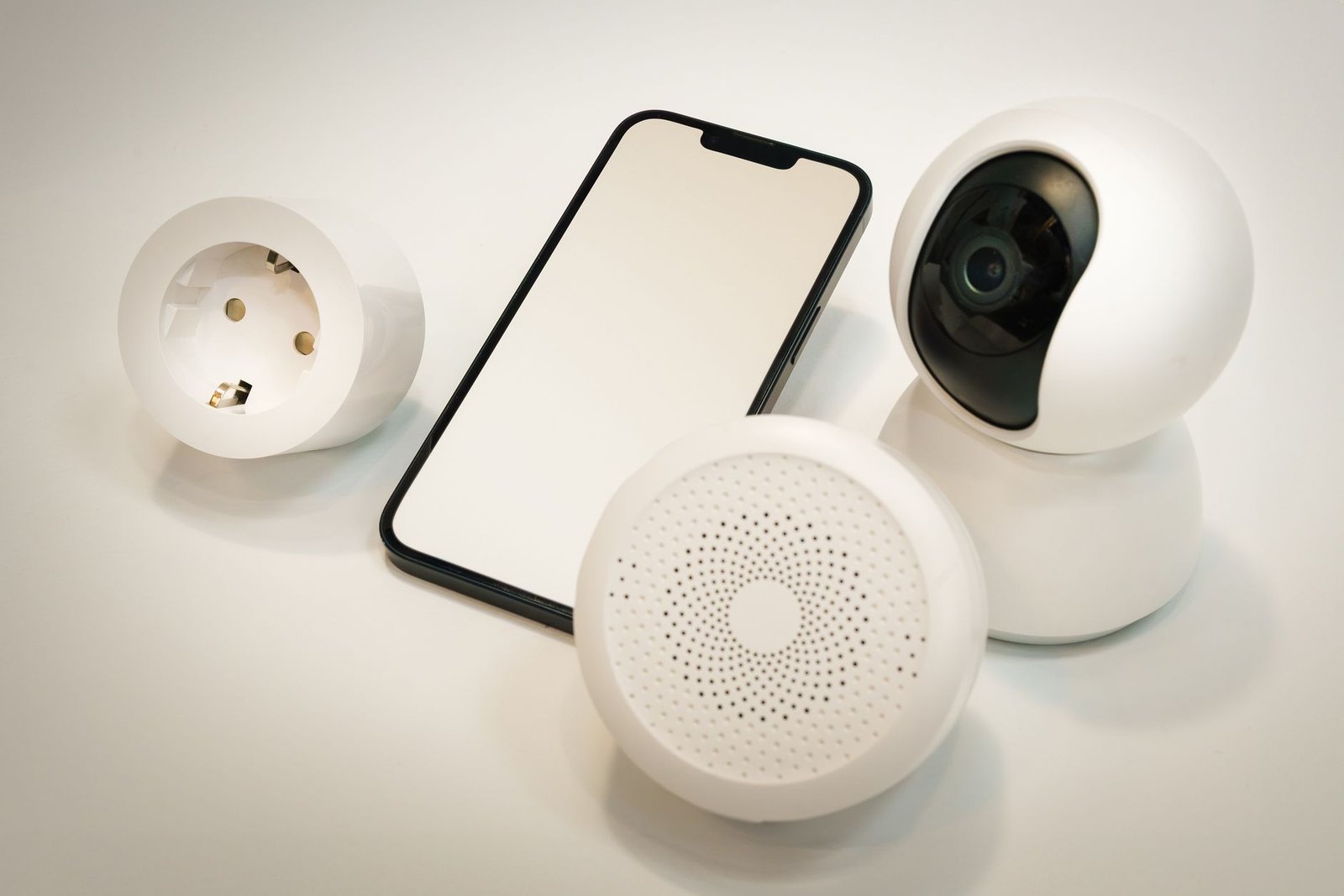
In 2026, the cost of a smart home hub can range significantly, typically falling between $50 for basic, entry-level models and upwards of $400 for premium, AI-integrated systems. This pricing reflects a mature market with diverse options, influenced by advancements in connectivity protocols like Matter and Thread, alongside sophisticated AI processing capabilities.
Understanding the financial commitment for establishing a connected living space requires more than just the initial purchase price; it also involves considering potential subscription fees, installation complexities, and the overall ecosystem compatibility. As smart home technology becomes increasingly integrated into daily life, homeowners seek efficient, reliable, and secure solutions that offer both convenience and future-proofing.
Understanding Smart Home Hubs in 2026
Smart home hubs serve as the central nervous system for a connected residence, orchestrating communication between various devices such as lighting, thermostats, security cameras, and entertainment systems. By 2026, the landscape of these hubs has evolved dramatically, with a strong emphasis on interoperability, local processing, and enhanced security.
Key trends shaping the 2026 market include the widespread adoption of the Matter protocol, ensuring devices from different manufacturers can communicate seamlessly. This has reduced complexity for homeowners and increased competition among hub manufacturers. Furthermore, Thread networking technology provides a robust, low-power mesh network, improving device responsiveness and reliability. Artificial intelligence integration has also become a standard feature, enabling more proactive and personalized automation routines based on resident habits and environmental conditions. Material developments, such as sustainable, recyclable composite casings and advanced antenna designs for superior signal penetration, are also noticeable in modern hub designs.
The Role of AI and Edge Computing
Many 2026 smart home hubs incorporate advanced AI capabilities, often leveraging edge computing to process data locally rather than relying solely on cloud services. This approach offers significant benefits in terms of privacy, speed, and resilience, as automation routines can execute even without an internet connection. Such hubs can learn resident patterns, optimize energy consumption, and even detect unusual activity with greater precision, contributing to both comfort and security.
Cost Breakdown by Hub Type
The price of a smart home hub is largely determined by its feature set, processing power, connectivity options, and ecosystem depth. Here’s a breakdown of what homeowners can expect across different tiers in 2026.
Entry-Level & Budget-Friendly Hubs ($50 – $150)
These hubs typically offer essential connectivity for common smart home devices, often focusing on a single or limited set of protocols (e.g., Wi-Fi, Bluetooth, or basic Zigbee/Z-Wave). They are suitable for residents starting their smart home journey or those with modest automation needs. Functionality might include basic scheduling, remote control, and integration with popular voice assistants. The emphasis here is on affordability and ease of use. Expect compatibility with Matter and Thread to be present, albeit perhaps with fewer advanced features or lower processing power for local AI.
- Typical Features: Wi-Fi, Bluetooth, basic Matter/Thread support, voice assistant integration (via external device).
- Common Use Cases: Lighting control, smart plugs, simple thermostat management.
Mid-Range & Feature-Rich Hubs ($150 – $300)
This category represents the sweet spot for many homeowners, offering a robust balance of features, performance, and value. Mid-range hubs typically support multiple communication protocols (Wi-Fi, Bluetooth, Zigbee, Z-Wave, Thread, Matter) natively, providing extensive compatibility with a wide array of devices. They often include more powerful processors for local automation, more sophisticated rule creation, and enhanced integration with various smart home ecosystems. Some will begin to include integrated AI for learning routines and predictive actions.
- Typical Features: Multi-protocol support, local processing, advanced scene creation, energy monitoring, improved security features.
- Common Use Cases: Comprehensive lighting, climate control, multi-room audio, basic security systems.
Premium & Advanced Ecosystem Hubs ($300 – $400+)
At the top end of the market are hubs designed for extensive smart homes, offering unparalleled performance, security, and integration. These devices boast powerful multi-core processors, dedicated AI accelerators, and a full suite of communication protocols. They excel at complex automation, deep learning capabilities for predictive behavior, and often include robust data encryption and privacy features. Many premium hubs in 2026 are designed to serve as central servers for the entire home, sometimes even integrating home network management.
- Typical Features: High-performance local AI, advanced sensor integration, robust cybersecurity, seamless ecosystem integration (e.g., Apple HomeKit, Google Home, Amazon Alexa), dedicated hardware for specific functions.
- Common Use Cases: Large-scale automation, sophisticated security and surveillance, custom smart home installations, advanced energy management.
Software-Defined & AI-Integrated Hubs (Modern Trend)
An emerging trend in 2026 involves hubs that are increasingly software-defined, leveraging powerful general-purpose computing hardware (e.g., a mini-PC or NAS) combined with specialized USB dongles for radio protocols. These systems offer immense flexibility and customization, with AI processing happening locally. While the core hardware cost might be higher, the adaptability and potential for future upgrades are significant. Initial investment for hardware might start around $250 but scale quickly depending on the resident’s customization needs.
Beyond the Initial Purchase: Ongoing Costs and Value
The price tag on the box is only part of the equation. Homeowners must also consider long-term costs and value propositions.
Subscription Services and Cloud Storage
While many basic hub functions are free, premium features often come with monthly or annual subscription fees. These can include enhanced cloud storage for security camera footage, advanced AI analytics, continuous system monitoring, or extended warranties. These subscriptions can range from $5 to $20 per month, depending on the service provider and feature set. Residents should factor these into the total cost of ownership.
Installation and Setup Considerations
Most modern smart home hubs are designed for relatively easy self-installation. However, for complex setups involving numerous devices or custom automation, professional installation might be preferred. Professional services can add anywhere from $100 to several hundred dollars, depending on the scope of work and regional labor costs. For the technologically adept resident, DIY installation is generally feasible and cost-free.
Energy Consumption and Efficiency
While hubs themselves are relatively low-power devices, the entire smart home ecosystem they manage can impact overall energy consumption. Modern hubs often include features to optimize energy use across connected devices, potentially leading to long-term savings that offset initial costs. Developments in low-power Thread and Matter devices further reduce the energy footprint of the entire system.
Choosing the Right Hub: Factors for 2026
Selecting the optimal smart home hub requires careful consideration of several critical factors that have become paramount in 2026.
Ecosystem Compatibility (Matter, Thread)
The ubiquity of Matter and Thread has significantly simplified compatibility. However, homeowners should still verify that their chosen hub fully supports these protocols and integrates seamlessly with any existing or planned smart devices. Some hubs might offer deeper integration with specific proprietary ecosystems, which could be a factor for residents heavily invested in a particular brand.
Future-Proofing and Scalability
Technology evolves rapidly. A strong hub choice in 2026 will offer ample processing power, multiple connectivity options, and a clear upgrade path. Consideration should be given to hubs that are known for receiving regular software updates, ensuring compatibility with future device releases and security patches. Scalability refers to the ability to add more devices and expand automation as the homeowner’s needs grow.
Security and Privacy
With more devices connected, security and privacy are paramount. Residents should prioritize hubs that offer robust encryption, regular security updates, local data processing options, and clear privacy policies. Features like two-factor authentication for remote access and guest network capabilities are also important considerations for safeguarding personal data and home networks.
Conclusion
The cost of a smart home hub in 2026 is a dynamic figure, reflecting the incredible advancements in home automation technology. From affordable entry points at around $50 to sophisticated AI-driven systems exceeding $400, there is a solution for every budget and requirement. Beyond the initial investment, potential subscription fees and installation nuances warrant consideration. By evaluating factors such as ecosystem compatibility, future-proofing, and robust security features, the homeowner can make an informed decision, ensuring a connected, comfortable, and efficient living experience for years to come.