
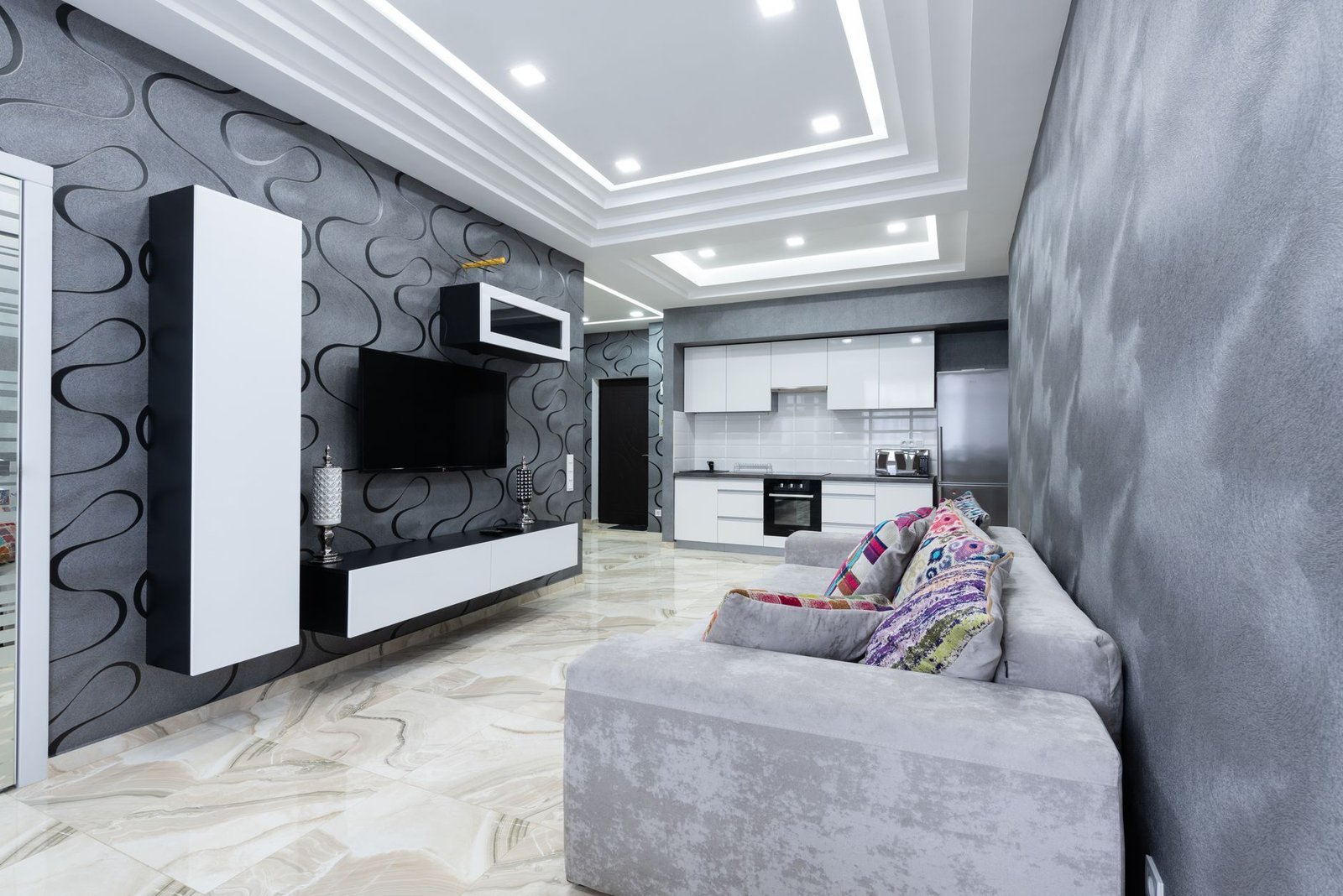
For homeowners seeking the optimal wall covering solution for high-humidity kitchens in 2026, the leading choices are robust solid vinyl, innovative fiberglass (glasscloth), and advanced non-woven composite wallpapers. These materials offer unparalleled moisture resistance, durability, and stylistic versatility, aligning perfectly with the demands of modern kitchen environments and contemporary design aesthetics.
Understanding Kitchen Humidity and Wallpaper Challenges
Kitchens are dynamic spaces, characterized by fluctuating temperatures, steam from cooking, and the occasional splash or spill. These conditions create a high-humidity environment that can be particularly challenging for traditional wall coverings. Standard wallpapers, often made with paper-based substrates, are prone to peeling, bubbling, and even mold or mildew growth when exposed to consistent moisture. The quest for durable and stylish wall treatments in such areas has led to significant advancements in wallpaper technology.
In 2026, the emphasis is not merely on aesthetics but on performance. Wallpapers designed for high-humidity areas must exhibit superior resistance to moisture penetration, be easy to clean, and maintain their structural integrity and appearance over time. This includes resistance to grease splatters, food stains, and general kitchen grime, necessitating materials that can withstand frequent wiping and cleaning without degradation.
Top Washable Wallpaper Innovations for 2026
The landscape of washable wallpaper has evolved considerably, with 2026 bringing forward materials that blend advanced technology with sophisticated design.
Solid Vinyl Wallpapers
Solid vinyl wallpaper remains a cornerstone for high-humidity environments. Unlike vinyl-coated paper, which has a paper backing with a vinyl layer, solid vinyl consists of a thick, durable vinyl layer laminated to a fabric or paper backing. The surface is entirely vinyl, making it impermeable to water. Modern solid vinyl options in 2026 are highly advanced, often featuring:
- Low-VOC and Phthalate-Free Formulations: Manufacturers are increasingly committed to healthier indoor air quality, offering vinyl wallpapers with significantly reduced volatile organic compounds and without harmful phthalates, addressing environmental and health concerns.
- Enhanced Durability Coatings: Newer solid vinyl wallpapers come with enhanced protective coatings that resist abrasions, scratches, and fading, ensuring longevity even in busy kitchens.
- Textural Variety: Beyond smooth finishes, 2026 trends include a wide array of textures, from linen and grasscloth effects to subtle geometric patterns, all achieved within the durable vinyl surface.
Fiberglass (Glasscloth) Wallpapers
Fiberglass wallpaper, also known as glasscloth, is an exceptional contender for extreme conditions. Woven from glass fibers, this material is inherently non-porous, fire-resistant, and completely impervious to water, mold, and mildew. It provides a robust, breathable surface that reinforces walls, making it ideal for areas prone to cracks or demanding heavy-duty cleaning.
- Breathability and Mold Resistance: Its natural breathability prevents moisture from getting trapped behind the wallpaper, drastically reducing the risk of mold and mildew, a critical factor in kitchen hygiene.
- Extreme Durability: Fiberglass wallpaper is incredibly strong and resistant to impacts, making it suitable for high-traffic kitchen zones. It can often be painted over multiple times, offering flexibility for future decor changes.
- Seamless Aesthetics: Advanced installation techniques and material formulations allow for more seamless applications, providing a smooth, paintable surface or incorporating subtle woven textures.
Advanced Non-Woven Composite Wallpapers
While traditional non-woven wallpapers might not be the absolute best for *extremely* high humidity directly, the 2026 market offers advanced non-woven composites that merge the benefits of non-woven technology with enhanced moisture resistance. These often incorporate synthetic fibers and binders that repel water more effectively than their predecessors.
- Hybrid Compositions: Some innovative non-woven composites now integrate a protective, washable top layer that is highly resistant to splashes and stains, making them a viable option for moderately humid kitchen areas or as an accent wall.
- Eco-Friendly Credentials: Many advanced non-wovens are lauded for their eco-friendly production processes and ease of removal (often strippable in full sheets), appealing to homeowners prioritizing sustainability.
- Digital Printing Capabilities: The flexibility of non-woven substrates allows for incredibly detailed and vibrant digital prints, enabling personalized murals, intricate patterns, and photorealistic designs that align with bespoke interior trends.
Key Considerations for Selection and Installation
Choosing the right washable wallpaper involves more than just selecting a material; it requires careful consideration of its specific properties, aesthetic fit, and proper application.
Durability and Washability Ratings
When selecting wallpaper, the resident should look for specific symbols and ratings:
- Scrubbable/Extra Washable: Indicated by three waves or a brush symbol, this means the wallpaper can withstand light scrubbing with a mild detergent solution. This is the minimum recommended for kitchens.
- Highly Scrubbable/Hardwearing: Often denoted by a brush with additional lines, signifying resistance to more vigorous cleaning and abrasions.
- Colorfastness: Look for a sun symbol, indicating resistance to fading from light exposure, which can be an issue in sunlit kitchens.
Aesthetic Trends for 2026 Kitchens
Beyond functionality, 2026 kitchen wallpaper trends embrace:
- Biophilic Designs: Patterns featuring botanical motifs, abstract natural elements, or realistic greenery are popular, bringing the outdoors in.
- Subtle Geometrics and Textures: Rather than bold, overpowering patterns, understated geometric repeats and tactile textures (e.g., woven, plaster-effect) add depth without overwhelming the space.
- Warm Neutrals and Earth Tones: Complementing natural materials, palettes of muted greens, soft blues, terracotta, and warm greys create a calming, inviting kitchen atmosphere.
- Personalized Digital Prints: With advancements in printing technology, custom-designed wallpapers allowing for unique artistic expressions or photographic murals are gaining traction for accent walls.
Installation Best Practices
Even the most durable wallpaper requires proper installation to perform optimally in a high-humidity environment.
- Surface Preparation: The wall must be clean, smooth, dry, and primed with a high-quality, mold-inhibiting primer specifically designed for wallpaper application in damp environments.
- Adhesive Selection: A heavy-duty, moisture-resistant, and mold-inhibiting adhesive is critical. Vinyl-over-vinyl adhesive or clay-based pastes are often recommended for robust wallpapers in kitchens.
- Professional Installation: For optimal results and longevity, especially with fiberglass or complex patterns, professional installation is highly recommended. Experts ensure proper seam treatment and adhesion, preventing moisture ingress.
Maintaining Washable Wallpaper in High-Humidity Areas
Regular maintenance is key to preserving the beauty and longevity of washable kitchen wallpaper. Promptly wiping away splashes, steam condensation, and food splatters prevents stains and minimizes continuous moisture exposure. A soft cloth or sponge with a mild, non-abrasive detergent is typically sufficient for cleaning. Harsh chemicals or abrasive scrubbers should be avoided, as they can damage the wallpaper’s surface or protective coating.
Conclusion
In 2026, selecting the best washable wallpaper for a high-humidity kitchen involves prioritizing materials that offer exceptional moisture resistance, durability, and ease of maintenance, without compromising on style. Solid vinyl, fiberglass, and advanced non-woven composites stand out as superior choices, each offering distinct advantages. By considering the specific properties of these materials, current aesthetic trends, and adhering to meticulous installation practices, homeowners can achieve a kitchen space that is both resiliently functional and beautifully designed for years to come.