
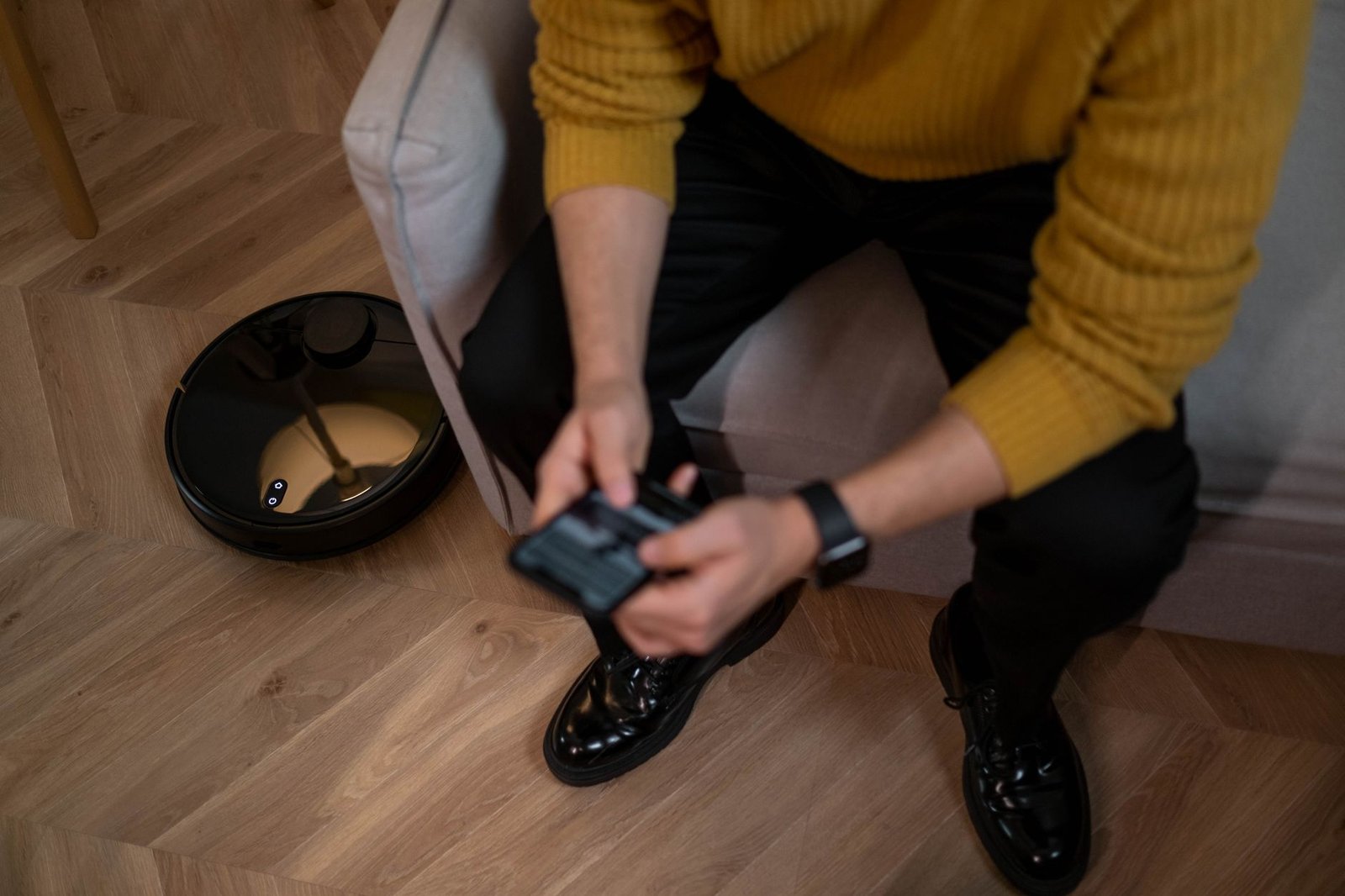
In 2026, the landscape of home cleaning technology continues its rapid evolution, offering sophisticated solutions for maintaining domestic comfort. For homeowners contemplating automated versus handheld power, the core question persists: which cleans better, a robot vacuum or a smart stick vacuum? While both categories have seen significant advancements, the optimal choice often hinges on specific cleaning needs, dwelling characteristics, and the resident’s lifestyle preferences. This analysis delves into their respective strengths and capabilities to guide an informed decision for superior home cleanliness.
The Evolving Landscape of Robot Vacuums in 2026
In 2026, robot vacuums represent the pinnacle of autonomous home maintenance. These devices have moved far beyond simple random navigation, now offering complex, AI-driven cleaning protocols. Their appeal lies in consistent, hands-off cleaning, freeing up the homeowner’s time for other pursuits.
Autonomy and Advanced Navigation
Modern robot vacuums are equipped with sophisticated navigation systems combining LiDAR, VSLAM (Visual Simultaneous Localization and Mapping), and ultrasonic sensors. This allows for hyper-accurate mapping of complex floor plans, multi-floor recognition, and obstacle avoidance that differentiates between a stray sock and a pet. AI algorithms now facilitate predictive cleaning paths, adapting to accumulated dirt patterns and environmental changes. Some models feature edge-aware intelligence, ensuring thorough cleaning along baseboards and into tight corners, traditionally a weak point for autonomous devices. Integration with whole-home smart ecosystems via standards like Matter and Thread enables voice command initiation and custom cleaning zones through intuitive apps.
Cleaning Power and Material Adaptability
Power has seen a significant boost. High-efficiency brushless motors deliver robust suction, capable of tackling various debris sizes on a multitude of surfaces. Innovations in brush roll design, including multi-material composites and self-cleaning technologies, minimize hair tangles, a common homeowner frustration. For homes with a mix of high-pile carpets, engineered hardwood, and luxury vinyl plank, 2026 models feature automatic floor type detection that adjusts suction power and brush speed in real-time. Advanced filtration systems, often incorporating multi-cyclonic separation and HEPA-grade filters, effectively trap allergens and microparticles, contributing to improved indoor air quality. Wet-dry capabilities have also matured, with robot vacuums now capable of simultaneously vacuuming and mopping with precision, often using smart water tanks and self-drying mop pads.
Smart Integration and Maintenance
The ‘smart’ in robot vacuums extends beyond cleaning. Automated self-emptying stations are now standard, reducing manual intervention for weeks. Many high-end models feature self-washing and self-drying mop pads, reducing mildew and odor. Predictive maintenance alerts notify the resident when filters need changing or components require cleaning, ensuring optimal performance. Furthermore, their ability to learn and adapt to changing home layouts and resident schedules makes them an invaluable part of a modern smart home ecosystem.
Smart Stick Vacuums: Precision and Portability in 2026
Smart stick vacuums in 2026 have transcended their predecessors, offering unparalleled precision and power in a lightweight, ergonomic form factor. They excel in situations requiring immediate attention, targeted cleaning, or access to hard-to-reach areas.
Ergonomics and Directed Power
The design philosophy of 2026 stick vacuums emphasizes user comfort and control. Lighter materials, often aerospace-grade composites, reduce fatigue during extended use. Advanced battery technologies, such as solid-state or silicon-anode cells, provide significantly longer runtimes and faster charging cycles, often exceeding 60 minutes on a single charge. Dynamic power adjustment, driven by onboard particulate sensors, automatically increases suction in dirtier areas, optimizing both cleaning effectiveness and battery life. Intuitive OLED or LED displays provide real-time information on battery status, power mode, and filter maintenance.
Filtration and Allergen Control
Like their robotic counterparts, modern stick vacuums boast sophisticated multi-stage filtration systems. Graphene-enhanced HEPA filters and advanced cyclone technology capture 99.99% of microscopic particles, pet dander, and allergens, discharging cleaner air. Some models incorporate antimicrobial coatings on their dustbins and brush heads, preventing bacterial growth and odor buildup, a crucial consideration for domestic hygiene. Specialized brush rolls are now standard, featuring tangle-free designs and materials optimized for various surfaces, from delicate rugs to high-traffic carpets.
Versatility and Specialized Attachments
The true strength of the smart stick vacuum lies in its versatility. A comprehensive array of quick-change attachments transforms the device for specific tasks: motorized pet hair tools, crevice nozzles with extendable brushes, soft dusting tools for delicate surfaces, and even flexible wands for reaching under furniture. Their portability allows for easy cleaning of stairs, vehicle interiors, and elevated surfaces like shelves or blinds. The direct, guided approach enables a homeowner to address spills or concentrated dirt with immediate, powerful action.
Performance Showdown: Direct Comparison
Deciding between a robot vacuum and a smart stick vacuum in 2026 ultimately depends on the resident’s specific cleaning routine, dwelling layout, and lifestyle.
Cleaning Effectiveness Across Surfaces
- Robot Vacuums: Provide consistent, overarching cleanliness across all accessible floor types. They are ideal for maintaining a baseline level of tidiness daily without manual effort. Their smart navigation ensures even coverage, and advanced sensors adapt to varying dirt levels. However, they can struggle with stairs, significant liquid spills, or reaching into heavily cluttered spaces.
- Smart Stick Vacuums: Offer targeted, intense cleaning power for specific areas. The direct control allows for deep cleaning of embedded dirt in carpets, precise edge cleaning, and immediate cleanup of unexpected messes. Their specialized attachments enable comprehensive cleaning beyond just floors, including upholstery, drapes, and vehicle interiors.
Convenience and User Experience
- Robot Vacuums: Unmatched for passive convenience. Once set up, they operate autonomously on schedules, requiring minimal intervention apart from periodic emptying (less frequent with self-empty stations) and maintenance. They are excellent for residents with busy schedules or those seeking to minimize cleaning chores.
- Smart Stick Vacuums: Require active engagement but offer unparalleled flexibility. Their cordless design and lightweight nature make them highly maneuverable and quick to deploy for spot cleaning or full-house deep dives. The direct control allows the resident to see and address dirt in real-time.
Cost-Benefit Analysis and Future-Proofing
While initial costs for high-end models in both categories can be substantial, the long-term value lies in their respective efficiencies. Robot vacuums represent an investment in automated time-saving. Smart stick vacuums offer an investment in powerful, versatile precision. Many 2026 models in both categories feature modular designs for easier repairs and software update capabilities, extending their lifespan and future-proofing their functionality.
Conclusion
In 2026, the question of which cleans better—a robot vacuum or a smart stick vacuum—does not have a singular answer. For the homeowner seeking daily, autonomous baseline cleanliness across large floor areas, especially those with consistent schedules, a robot vacuum is an indispensable tool. Its advancements in AI navigation, self-maintenance, and multi-surface adaptability make it a formidable automated assistant. Conversely, for situations demanding immediate, targeted deep cleaning, unparalleled versatility across surfaces and spaces beyond the floor, and precise control, the smart stick vacuum remains the superior choice. Its ergonomic design, enhanced power, and specialized tools empower the resident to tackle any cleaning challenge directly. Ultimately, for optimal domestic comfort and comprehensive cleanliness in 2026, many discerning homeowners will find that integrating both technologies provides the most robust and adaptive cleaning solution for a truly pristine living environment.