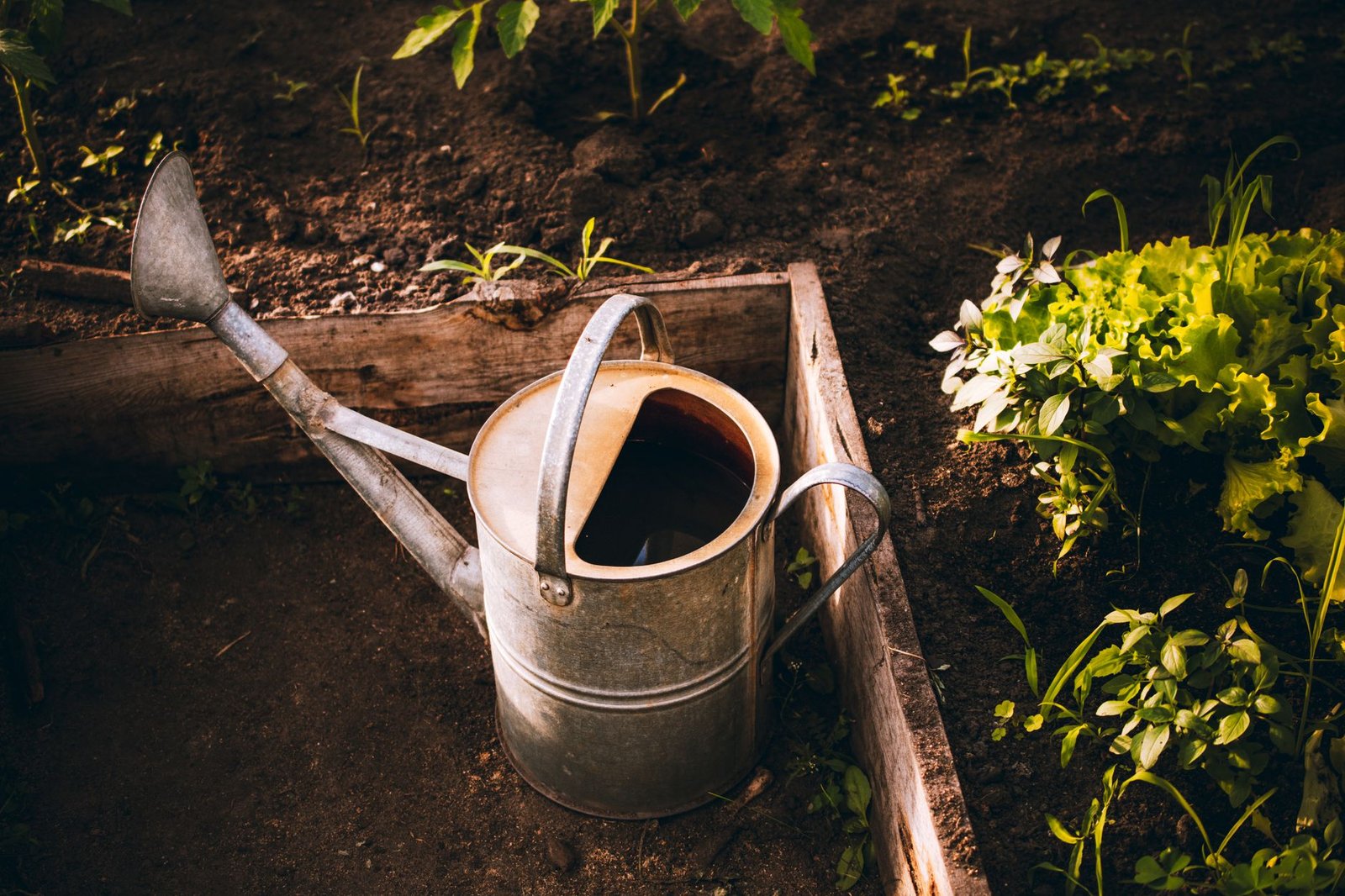
The quest for homegrown produce continues to captivate homeowners in 2026, leading many to evaluate optimal cultivation methods for backyard vegetables. When comparing container gardens and raised beds for cultivating backyard vegetables in 2026, there is no singular superior choice; instead, the ideal solution hinges on the resident’s specific space, lifestyle, and gardening aspirations. Both approaches leverage modern material science and smart gardening technologies, offering distinct advantages for different scenarios.
The Allure of Container Gardening in 2026
Container gardening provides unparalleled flexibility and is particularly well-suited for urban environments or compact outdoor spaces. Its adaptability makes it a compelling option for a wide array of residents.
Advantages for the Modern Gardener
- Portability: Containers allow for easy relocation to optimize sunlight exposure, protect from adverse weather, or reconfigure garden aesthetics. This is especially beneficial for apartment dwellers or those with fluctuating shade patterns.
- Pest and Disease Management: Elevating plants from ground soil can reduce exposure to soil-borne pests and diseases. Specific planting mediums can be tailored to individual plant needs, minimizing contamination.
- Soil Control: The resident has complete command over soil composition, ensuring optimal drainage and nutrient levels for specific crops without amending native soil. Hydroponic and semi-hydroponic container systems are also gaining traction.
- Aesthetic Versatility: Modern container designs in 2026 feature a blend of sustainable and durable materials, including recycled composite polymers, lightweight concrete, and elegant terracotta alternatives. Self-watering planters with integrated reservoirs reduce watering frequency, while smart containers incorporating moisture sensors and automated drip systems, often controlled via smartphone applications, offer convenience.
- Accessibility: For residents with mobility challenges, elevated containers or vertical gardening systems make tending to plants more comfortable.
Considerations for Container Growers
- Watering Frequency: Smaller soil volumes dry out faster, often requiring more frequent watering, particularly during warm periods. While self-watering and smart systems mitigate this, manual watering can be a commitment.
- Root Restriction: Plant growth can be limited by container size. Root-bound plants may exhibit reduced vigor and yield. Choosing appropriately sized containers is crucial.
- Material Longevity: While 2026 sees improved material durability, cheaper plastic containers can still degrade over time due to UV exposure, necessitating periodic replacement. High-quality fabric grow bags, made from recycled PET, offer excellent aeration but also require more frequent watering.
- Nutrient Depletion: Nutrients leach out of container soil more rapidly, requiring consistent fertilization programs.
Raised Beds: The Foundation for Abundance in 2026
Raised garden beds are a cornerstone for more extensive and permanent gardening installations, offering significant benefits for long-term cultivation and greater yield potential. They represent a blend of traditional gardening practices with modern engineering.
Benefits for Sustained Growth
- Improved Drainage and Soil Quality: Elevated above native soil, raised beds prevent compaction and ensure excellent drainage. The user can create an ideal soil mixture, rich in organic matter, which remains consistent year after year.
- Extended Growing Season: Soil in raised beds warms up faster in spring, allowing for earlier planting. Better drainage and aeration also support root health, contributing to more robust plant development.
- Accessibility and Ergonomics: The elevated height reduces bending and kneeling, making gardening more comfortable for the resident. Many modern designs in 2026 incorporate integrated seating or wider edges for convenience.
- Weed and Pest Reduction: While not impervious, raised beds can offer a better barrier against ground-dwelling weeds and some pests, especially when lined properly.
- Material Innovations: The 2026 landscape features raised beds constructed from highly durable, sustainably sourced materials. Options include rot-resistant cedar, recycled wood composites, and robust galvanized steel with advanced powder coatings. Modular systems allow for easy expansion, and some designs integrate passive sub-irrigation (wicking bed) systems or even mycelium-based biocomposites for eco-friendly, long-lasting structures.
- Higher Yields: Deeper, richer soil and better growing conditions often lead to healthier plants and significantly increased productivity per square foot.
Potential Drawbacks of Raised Beds
- Initial Investment: Building or purchasing raised beds, along with the substantial volume of soil required to fill them, can represent a considerable upfront cost and labor commitment.
- Immobility: Once installed and filled, raised beds are generally permanent fixtures in the landscape, lacking the flexibility of containers.
- Weed Management: While reducing ground-level weeds, airborne seeds can still land and germinate. Proper mulching and consistent weeding are still necessary.
- Installation Complexity: Larger or more elaborate raised bed systems may require more advanced planning and construction skills.
Deciding for 2026: Factors for the Homeowner
The ultimate decision between container gardening and raised beds in 2026 requires a careful evaluation of several key factors relevant to the homeowner’s specific situation and aspirations.
Space and Scale
For residents with limited balconies, patios, or small urban plots, container gardening offers an efficient and adaptable solution. It allows for vertical gardening systems, maximizing yield in minimal footprint. Conversely, larger backyards benefit from the expansive potential of raised beds, accommodating a greater diversity of crops and more substantial harvests. Consider the long-term vision for the outdoor space.
Maintenance Commitment
The time a resident can dedicate to garden upkeep significantly influences the choice. Container gardens often demand more frequent attention, particularly concerning watering and nutrient replenishment, though smart systems can alleviate this. Raised beds, once established with rich soil, tend to require less day-to-day watering (especially with integrated irrigation) but may involve more significant seasonal soil amendment.
Budgetary Allocations
Initial costs can vary widely. A few basic containers might be less expensive than a large raised bed filled with premium soil. However, investing in high-quality, durable containers or advanced smart systems can rival the cost of a mid-range raised bed. Raised beds, while requiring a larger initial outlay for materials and soil, often prove more cost-effective over many years due to their longevity and productivity.
Aesthetic Integration
Both methods offer distinct aesthetic possibilities. Container gardens provide dynamic visual interest, allowing for changing arrangements and seasonal displays that complement home interiors. Raised beds can be architecturally integrated into the landscape design, becoming a permanent and elegant feature, often using materials that harmonize with existing hardscaping and architecture. Material choice in 2026, from sleek metal to rustic wood composites, allows for diverse design expressions.
Sustainability Goals
Residents prioritizing environmental impact might lean towards materials like recycled plastics, sustainably sourced timber, or innovative mycelium-based composites for either option. Water-wise gardening, such as using self-watering containers or wicking beds, is a significant trend in 2026, reducing water consumption. Composting directly into raised beds further enhances ecological practices.
Technological Integration
The 2026 gardening landscape is increasingly intelligent. Homeowners interested in leveraging technology can find advanced self-watering containers with app-controlled moisture monitoring or raised beds with integrated, programmable irrigation systems. These innovations reduce manual effort and optimize growing conditions, appealing to residents seeking smart home integration even in their outdoor spaces.
Ultimately, the determination of whether container gardens or raised beds are “better” for backyard vegetables in 2026 is deeply personal. It hinges on the homeowner’s available space, desired level of engagement, budget, and aesthetic preferences. A careful assessment of these factors will guide the resident towards the gardening solution that best supports their journey to cultivate fresh, homegrown produce.