
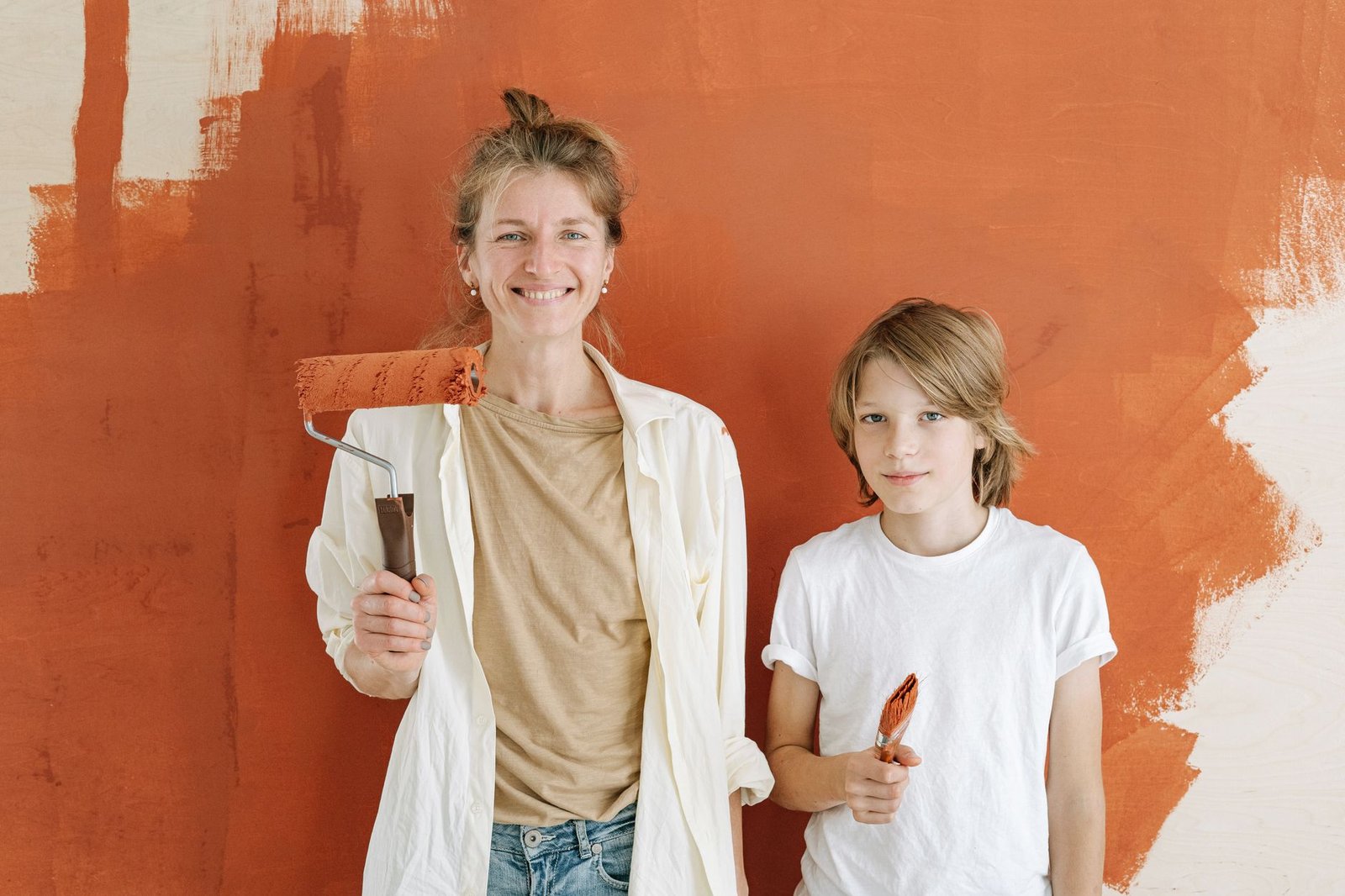
For 2026, the optimal interior paint finish for children’s rooms effectively balances superior durability, effortless washability, and uncompromising safety. While specific aesthetic preferences and practical needs vary among households, an eggshell or satin finish consistently emerges as the top recommendation, combining aesthetic appeal with practical resilience. These finishes provide the necessary toughness against daily wear and tear while allowing for easy cleanup of common childhood messes, all while aligning with modern safety standards.
Understanding Key Considerations for Children’s Spaces
Children’s rooms are dynamic environments, serving as bedrooms, play zones, and creative hubs. The paint chosen for these spaces must withstand a unique set of challenges far beyond what is expected in typical adult living areas. The primary considerations for selecting a paint finish revolve around its ability to endure, its ease of maintenance, and its impact on indoor air quality.
Durability and Scuff Resistance
Paint in these areas endures frequent contact, from playful hands and toys to furniture scuffs and accidental impacts. A durable finish minimizes the appearance of scratches, chips, and general abrasion, ensuring the walls maintain their fresh appearance for longer. High-traffic zones especially demand a finish that can withstand constant interaction without quickly showing signs of deterioration.
Washability and Stain Removal
The ability to clean off crayon marks, spilled drinks, muddy fingerprints, and other inevitable stains without damaging the paint film is paramount. A highly washable finish allows residents to maintain a hygienic and visually appealing environment with minimal effort, preventing permanent blemishes that can make a room look perpetually unclean.
Safety: VOCs and Antimicrobial Properties
Prioritizing the health of occupants, particularly children, means selecting paints with low or zero volatile organic compounds (VOCs). These harmful chemicals can off-gas into the air, potentially affecting respiratory health and overall indoor air quality. Furthermore, the integration of antimicrobial properties in modern paints, which can inhibit the growth of bacteria and mold, adds an extra layer of health protection, a growing trend in 2026 for sensitive environments.
A Comprehensive Look at Paint Finishes for 2026
The landscape of paint finishes has evolved, offering a range of options each with distinct characteristics. Understanding these differences is crucial for making an informed decision for children’s rooms.
Flat/Matte Finish
Historically chosen for its non-reflective, sophisticated appearance that hides surface imperfections exceptionally well, flat or matte finishes are typically the least durable. In 2026, advanced matte formulations offer improved durability, but they generally remain less robust than their shinier counterparts.
- Pros: Hides wall imperfections effectively; provides a soft, non-glare aesthetic.
- Cons: Traditionally poor durability and washability; more susceptible to scuff marks and difficult to clean without damaging the finish, even with modern advancements.
Eggshell Finish
Often considered a prime candidate for children’s rooms, eggshell provides a slight sheen reminiscent of an eggshell, offering a balance between matte and satin. It offers significantly better durability and washability than flat finishes, making it a practical choice.
- Pros: Good durability and relatively easy to clean with mild soap and water; excellent balance of aesthetic appeal and practicality; still conceals minor imperfections.
- Cons: Can show some light scuffs in very high-traffic areas; slightly more reflective than flat.
Satin Finish
Offering a richer, pearl-like sheen, satin finish is highly popular for its exceptional blend of elegance and resilience. It is notably more durable and washable than eggshell, making it a strong contender for demanding spaces like children’s rooms.
- Pros: Excellent durability and highly washable; resists stains and scuffs very well; provides a beautiful, soft luster.
- Cons: Higher sheen means it can reveal more wall imperfections than eggshell or flat; application requires careful technique to avoid roller marks.
Semi-Gloss Finish
Known for its significant sheen and hardness, semi-gloss is traditionally used for trim, doors, and cabinets. Its robust nature makes it extremely durable and easy to clean, yet its high reflectivity can be overwhelming on large wall surfaces.
- Pros: Extremely durable and very easy to clean; stands up well to frequent washing and heavy use; excellent for moisture-prone areas.
- Cons: Its high sheen reflects light prominently, highlighting every wall imperfection; can create a clinical or overly bright feel on walls; less forgiving during application.
High-Gloss Finish
The most reflective and hardest finish, high-gloss is typically reserved for furniture or accent pieces due to its mirror-like appearance. While offering ultimate durability and washability, its intense reflectivity and tendency to magnify every surface flaw make it unsuitable for general wall application in children’s rooms.
- Pros: Ultimate durability and extreme washability; creates a dramatic, polished look.
- Cons: Exaggerates every imperfection on the wall; typically too reflective for walls in a child’s space; very challenging to apply flawlessly.
2026 Trends and Innovations in Kids’ Room Coatings
The paint industry continues its rapid evolution, with 2026 bringing several key trends and material developments particularly relevant to children’s environments.
Advanced Washability Formulations
Modern paint technologies now incorporate ceramic microspheres and advanced polymer resins that create a tighter, more uniform film. These innovations result in surfaces that are incredibly resistant to stains and allow for scrubbing without burnishing or altering the sheen, a significant advantage for busy households.
Low-VOC and Zero-VOC Standards
Safety regulations and consumer demand have pushed manufacturers to produce paints with significantly reduced or completely eliminated VOCs. Many premium brands in 2026 offer certified zero-VOC options that still deliver superior performance, ensuring healthier indoor air quality immediately after painting and for the long term.
Antimicrobial and Anti-Scuff Technologies
Manufacturers are integrating advanced polymers that create harder, more resilient surfaces, drastically improving scuff and mar resistance. Simultaneously, the inclusion of silver ion technology or other antimicrobial additives is becoming more common, offering continuous protection against bacteria, mold, and mildew growth on the paint surface, an ideal feature for maintaining hygiene in children’s spaces.
Sustainable and Eco-Friendly Options
The demand for sustainable building materials extends to paint. In 2026, a growing number of brands offer paints made with recycled content, plant-based resins, and environmentally friendly manufacturing processes. These options allow for an aesthetically pleasing and durable finish with a reduced environmental footprint.
Smart Paint Features
While still an emerging segment, some 2026 paint formulations are beginning to feature ‘smart’ capabilities. These include paints with air-purifying properties that actively neutralize indoor pollutants, or thermal-regulating paints designed to slightly improve energy efficiency. While niche, these innovations hint at future possibilities for advanced domestic comfort.
Making the Optimal Choice: Recommendations and Application Tips
Selecting the ideal paint finish for a child’s room involves careful consideration of the factors outlined, always prioritizing a blend of practicality, aesthetics, and safety.
The Consensus for Kids’ Rooms
Considering the blend of practicality and aesthetics, the following recommendations guide homeowners toward the best decision:
- For Walls: Eggshell or Satin finishes are the top recommendations. They offer the ideal balance of durability, washability, and an appealing low-to-medium sheen that does not overwhelm the space or highlight minor wall imperfections excessively. Satin provides slightly superior performance in very high-traffic areas.
- For Trim, Doors, and Windowsills: Semi-gloss finish is highly recommended. These areas receive constant handling and benefit from the extreme durability and ease of cleaning that semi-gloss provides, offering a subtle contrast to the walls.
Preparation is Key
Regardless of the chosen finish, proper surface preparation is paramount. This includes cleaning walls thoroughly, repairing any holes or cracks, and applying a quality primer, especially when painting over a darker color or a drastically different finish. Proper preparation ensures optimal adhesion and a flawless, long-lasting finish.
Sample Before Committing
Always test paint samples on a small section of the wall in the child’s room. Observe how the color and sheen appear under different lighting conditions throughout the day. This step helps confirm the finish meets aesthetic expectations before committing to the entire room.
Ventilation and Curing Time
Adequate ventilation during and after painting is crucial, even with low-VOC paints. Opening windows and using fans helps dissipate any residual odors and accelerates the curing process. Allow sufficient time for the paint to fully cure—typically several days to a few weeks, depending on the product—before furniture is moved against walls or the room experiences heavy use. This ensures maximum durability and longevity of the finish.
Selecting the ideal paint finish for a child’s room in 2026 involves more than just picking a color; it requires a strategic choice that supports health, withstands vigorous activity, and simplifies maintenance. By opting for a high-quality eggshell or satin finish, homeowners can create a beautiful, durable, and safe environment where children can thrive and play freely for years to come.