
Reclaiming Outdoor Spaces from Pests in 2026
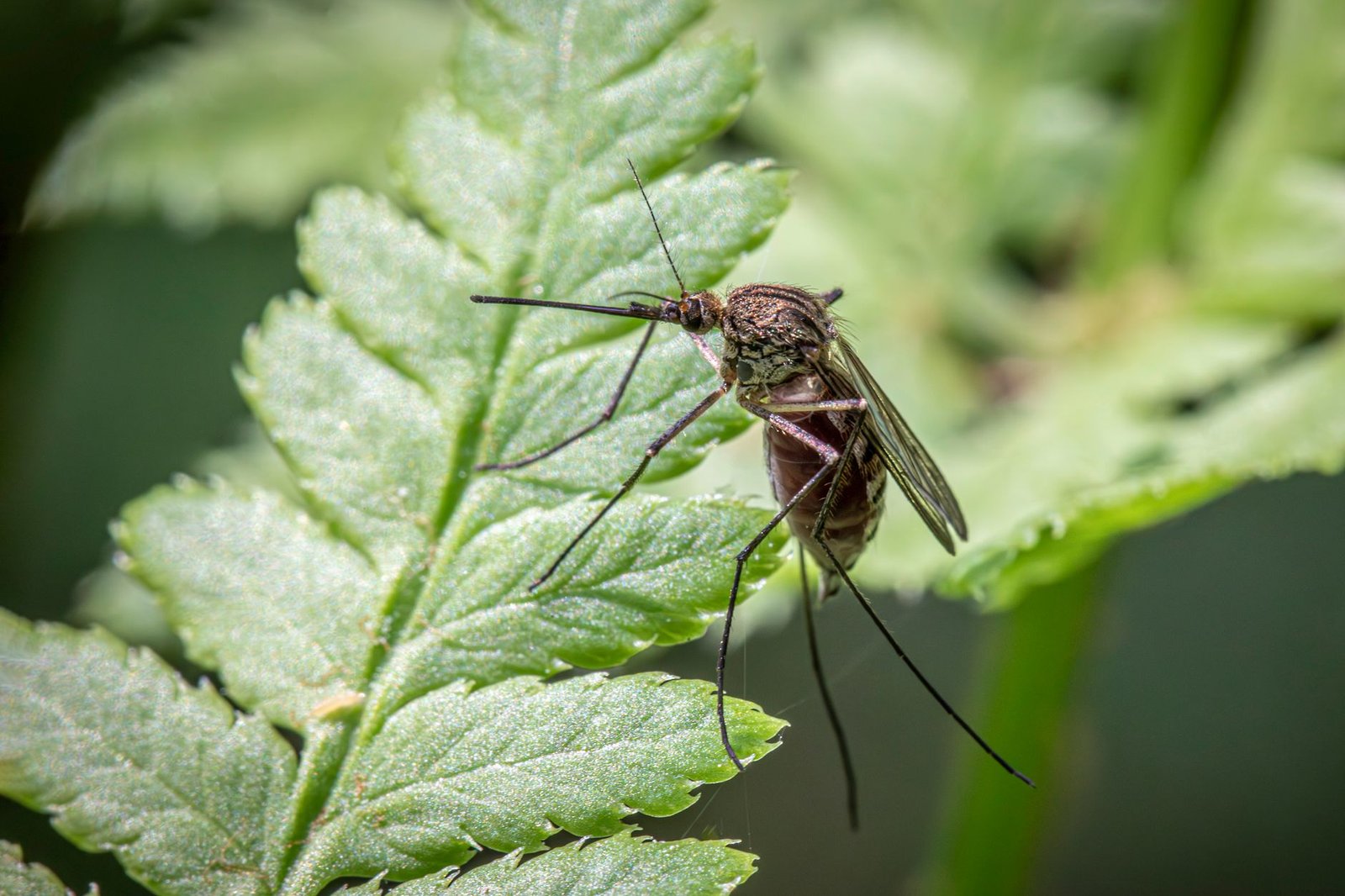
For many, the joy of a well-designed patio or garden is frequently interrupted by the incessant buzzing and biting of mosquitoes. If these unwelcome guests are diminishing outdoor comfort, natural botanical solutions offer an effective, chemical-free alternative to enjoying exterior living areas. In 2026, homeowners are increasingly prioritizing sustainable and integrated pest management strategies, making mosquito-repelling plants a cornerstone of modern landscape design.
This article explores seven potent plant species known for their natural pest-repelling properties, providing residents with an ecological approach to creating more comfortable and inviting outdoor environments. The focus is on leveraging nature’s own defenses, aligning with contemporary trends towards healthier, more environmentally conscious living.
The Natural Arsenal: Top 7 Mosquito-Repelling Plants for Enhanced Comfort
Integrating specific plants into a landscape offers a strategic defense against mosquitoes. These botanicals emit compounds that pests find disagreeable, helping to establish a natural barrier around outdoor gathering spots. Here are seven effective choices:
1. Citronella Grass (Cymbopogon nardus)
Perhaps the most well-known natural mosquito repellent, Citronella Grass is widely recognized for its strong, lemony scent. The essential oils within its leaves are what repel mosquitoes, making it a popular choice for perimeter planting around patios and decks. For optimal efficacy, crushing the leaves releases the repellent compounds more effectively. In 2026, many smart garden systems offer integrated sensors that can detect environmental conditions, suggesting optimal locations for such plants to maximize their repellent range, especially in conjunction with gentle air circulation systems.
2. Lavender (Lavandula angustifolia)
Beyond its beautiful purple blooms and calming aroma, lavender is a surprisingly effective mosquito deterrent. The plant’s essential oils, particularly linalool and camphor, are offensive to many insects, including mosquitoes. Lavender thrives in full sun and well-drained soil, making it a versatile choice for borders, container gardens, or mass plantings. Modern landscape architects often incorporate lavender into drought-tolerant designs, valuing its low water requirements and ability to attract beneficial pollinators while deterring pests.
3. Marigolds (Tagetes spp.)
Marigolds, particularly French marigolds (Tagetes patula), are renowned for their pest-repelling capabilities. They contain pyrethrum, a compound also found in many commercial insect repellents. Planting marigolds in pots near entryways or interspersed throughout garden beds can help deter mosquitoes, as well as other common garden pests like nematodes and aphids. New drought-resistant varieties developed for 2026 allow for even broader application in diverse climates, providing vibrant color and pest protection with minimal water usage.
4. Catnip (Nepeta cataria)
Studies have shown catnip to be even more effective than DEET in repelling mosquitoes, though its potency varies depending on the specific mosquito species. The compound responsible is nepetalactone, which gives catnip its distinctive scent. While highly attractive to cats, homeowners can strategically place catnip in hanging baskets or elevated planters to keep it out of reach of feline friends while still benefiting from its repellent qualities. Its vigorous growth makes it an excellent candidate for low-maintenance areas where spread is desired, or it can be contained easily in modern self-watering planters.
5. Rosemary (Salvia rosmarinus)
A popular culinary herb, rosemary also doubles as a formidable mosquito repellent. The woody scent of rosemary, particularly when its leaves are brushed or burned, is highly effective at warding off mosquitoes. This evergreen shrub thrives in hot, dry conditions and can be grown in containers or directly in the ground, making it an excellent addition to herb gardens or as a foundational plant near outdoor seating areas. Current trends favor integrating edible landscapes, and rosemary perfectly fits this dual-purpose utility, enhancing both the outdoor kitchen and pest control strategy. Smart irrigation systems can ensure optimal moisture without overwatering, preventing root rot.
6. Basil (Ocimum basilicum)
Various types of basil, including lemon basil and cinnamon basil, emit strong aromas that mosquitoes dislike. The plant’s essential oils, such as estragole, eugenol, and limonene, contribute to its repellent properties. Basil is best planted in containers near gathering spots or in garden beds where it can be easily accessed for culinary use and to release its protective scent. For residents with limited space, compact basil varieties and innovative hydroponic growing systems are popular in 2026, allowing fresh herbs and natural pest control even on small balconies.
7. Mint (Mentha spp.)
Like basil and rosemary, mint is a fragrant herb that mosquitoes find unappealing. Its strong, pungent scent, derived from compounds like menthol and pulegone, makes it an excellent natural repellent. Mint is known for its vigorous growth, so container planting is often recommended to prevent it from overwhelming other plants. Placing potted mint on patio tables or near seating areas allows the homeowner to brush the leaves occasionally, releasing the repellent oils. Vertical garden solutions are increasingly popular for mint, allowing for contained growth and easy access in compact urban settings.
Maximizing Repellent Efficacy and Integrating with Modern Landscape Design
Strategic Placement and Companion Planting
To maximize the effectiveness of these plants, strategic placement is crucial. Positioning them around the perimeter of a patio, near entry points, or around outdoor dining areas ensures the repellent properties are concentrated where most needed. Grouping multiple repellent plants together can create a more robust defense zone. Additionally, considering the plant’s light and water requirements will ensure their health and longevity. Modern landscape design often incorporates permeable paving materials that minimize standing water – a primary mosquito breeding ground – further enhancing the effectiveness of natural plant repellents.
Beyond Plants: Holistic Pest Management in 2026
While repellent plants are a powerful tool, a comprehensive approach to mosquito control involves eliminating breeding grounds. Residents should regularly empty standing water from bird baths, clogged gutters, old tires, and even plant saucers. Installing proper drainage systems and utilizing smart landscaping principles that reduce puddling after rain are key. For 2026, integrated sensor systems can monitor moisture levels in problematic areas, alerting homeowners to potential breeding sites before they become an issue. Drought-tolerant landscaping (xeriscaping) not only conserves water but also reduces damp areas where mosquitoes thrive.
Long-Term Care and Sustainability
Maintaining the health of these repellent plants through proper watering, pruning, and occasional organic fertilization ensures they remain vibrant and potent. Regular care encourages strong growth, leading to a consistent release of their beneficial compounds. Opting for organic fertilizers and avoiding chemical pesticides on these plants aligns with the broader movement towards sustainable gardening and supports local biodiversity, attracting beneficial insects while deterring pests.
Conclusion: Enjoying Pest-Free Outdoor Living
Creating a mosquito-free outdoor oasis is entirely achievable through the thoughtful integration of natural repellent plants. By selecting species like Citronella, Lavender, and Rosemary, residents can significantly reduce mosquito presence without resorting to harsh chemicals. This approach not only provides practical pest control but also enhances the aesthetic appeal and ecological balance of any outdoor space. As homeowners continue to embrace sustainable living in 2026, these natural solutions stand as a testament to intelligent, environmentally conscious design, ensuring outdoor comfort for all.