
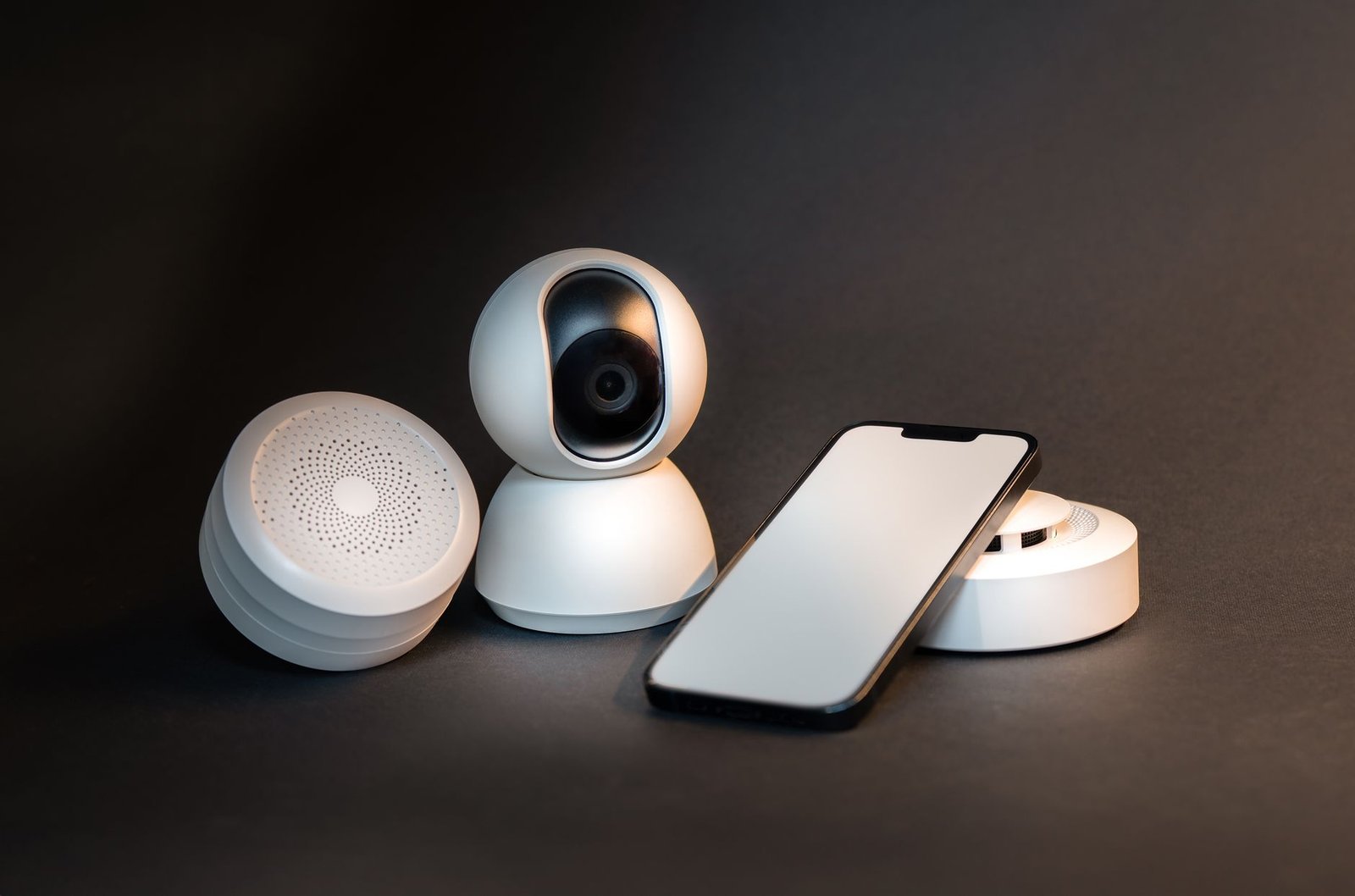
Understanding the financial commitment for a smart home security system in 2026 is crucial for any resident considering an upgrade or new installation. In 2026, the cost of a smart home security system can vary significantly, generally ranging from $250 to over $5,000 for initial setup, with ongoing monthly monitoring fees from $0 to $80+. This wide range depends heavily on whether a DIY approach or professional installation is chosen, the complexity of the system, and the integration of cutting-edge technologies and services.
Understanding Smart Home Security in 2026
The smart home security landscape in 2026 is defined by advanced integration, artificial intelligence (AI), and a strong emphasis on proactive and predictive defense mechanisms. Contemporary systems leverage sophisticated Internet of Things (IoT) connectivity, robust edge computing for faster data processing, and increasingly incorporate biometric authentication for enhanced access control. Industry trends point towards hyper-personalized security protocols and seamless interaction with broader smart home ecosystems, driven by open standards like Matter 2.0+ ensuring greater interoperability and future-proofing.
Key Components of a Modern System
-
Smart Cameras: Beyond traditional surveillance, 2026 cameras feature 4K+ resolution, advanced low-light performance, and AI-powered object recognition capable of distinguishing pets from intruders, or even identifying specific individuals. Thermal sensors and drone detection capabilities are also becoming more prevalent for comprehensive perimeter monitoring.
-
Sensors: Door and window sensors now often integrate vibration detection and glass-break analysis. Motion sensors utilize lidar technology for precise proximity detection and environmental sensors monitor air quality, temperature, and water leaks, providing an all-encompassing protective layer.
-
Smart Locks: These systems offer biometric authentication (fingerprint, facial recognition), secure keyless entry, remote access control, and advanced tamper detection, often constructed with reinforced, resistant alloys and embedded with quantum-resistant encryption.
-
Central Hub: The brain of the system, modern hubs are AI-driven, perform significant edge computing to process data locally for speed and privacy, and utilize highly encrypted communication protocols to resist cyber threats.
-
Integrated Devices: Seamless connection with smart lighting, automated shades, and voice assistants allows for sophisticated automation routines, such as lights flashing or shades closing during an alert, enhancing both security and domestic comfort.
-
Perimeter Defense: Technologies such as smart fence sensors, subterranean intrusion detection, and even miniature autonomous sentinels are emerging for advanced property boundary protection, especially for larger estates.
Dissecting the Costs: DIY vs. Professional Installation
The choice between a do-it-yourself (DIY) security system and one professionally installed and monitored significantly impacts both upfront and ongoing expenditures.
DIY Smart Home Security Costs (2026)
DIY systems appeal to residents seeking flexibility and cost control, often featuring modular components that are relatively easy to install and configure. Many systems boast self-calibrating sensors and extended battery life, with some even incorporating micro-solar or kinetic energy harvesting for reduced maintenance.
-
Equipment: Initial hardware costs typically range from $250 to $1,500+ for a comprehensive setup. This includes a smart hub, multiple cameras, various sensors, and a smart lock. Pricing varies by brand and features, with high-end DIY systems rivaling basic professional setups in functionality.
-
Subscription Services: Many DIY systems offer optional cloud storage for video footage, advanced AI analytics (e.g., package delivery alerts, facial recognition), and self-monitoring app features. These services can range from $0 for basic self-monitoring to $40 per month for enhanced cloud features and limited professional backup.
-
Maintenance: Primarily involves self-troubleshooting and occasional battery replacement, though modern components are designed for longevity and minimal intervention.
Professional Smart Home Security Costs (2026)
Professional systems provide a bespoke solution, custom-designed for the property’s specific layout and resident’s security needs. These often involve higher-grade, proprietary equipment and sophisticated integration with building management systems, offering a more robust and cyber-hardened network.
-
Equipment: The hardware for professionally installed systems can range from $500 to $3,000+, often incorporating more durable materials, discreet embedding options, and advanced network security features that may not be available in consumer DIY kits.
-
Installation: Labor costs for professional installation can add $500 to $2,000+, depending on the complexity, size of the property, and the need for specialized wiring or intricate system integration. Certified technicians ensure optimal placement, configuration, and secure network setup.
-
Monitoring Services: 24/7 professional monitoring, rapid response, and AI-powered threat assessment are hallmarks of these services. Monthly fees typically fall between $30 and $80+, with premium plans offering concierge-level security support and advanced predictive analytics.
-
Maintenance & Support: Many professional packages include warranties, routine system checks, software updates, and emergency repair services, which can be bundled into the monthly fee or incur additional charges. This ensures the system remains current and fully operational.
Factors Influencing Overall Expenditure
Property Size and Layout
Larger homes or properties with complex layouts naturally require more sensors, cameras, and potentially a more robust network infrastructure, increasing both equipment and installation costs.
System Complexity and Features
A basic entry-level system will be significantly less expensive than a comprehensive setup integrating advanced AI, biometric access, environmental monitoring, and full smart home automation. Features like quantum-resistant encryption chips or low-power edge AI processors, while enhancing security and efficiency, also contribute to the cost.
Brand and Technology Choices
Premium brands often command higher prices due to superior build quality, advanced features, and dedicated support. Choosing between open ecosystems (which allow for mixing and matching components) and closed, proprietary systems also impacts long-term flexibility and costs.
Ongoing Subscription Services
The decision to opt for professional monitoring, extensive cloud storage, advanced analytics, or extended warranties will contribute to the ongoing monthly or annual expenditure.
Integration with Existing Smart Home Ecosystems
For residents with existing smart home devices, selecting a security system that seamlessly integrates can reduce redundant equipment and enhance overall functionality, potentially saving costs on new purchases.
Maximizing Value and Ensuring Longevity
Future-Proofing Considerations
When selecting a system in 2026, considering scalability, adherence to interoperability standards (e.g., Matter 2.0+), and a strong track record for software updates is paramount. Modular designs allow for future expansion and upgrades, protecting the initial investment.
Energy Efficiency and Material Innovations
Modern devices are increasingly energy-efficient, with advancements in low-power electronics and energy harvesting technologies. Sustainable materials used in sensor casings and components also contribute to reducing the environmental footprint and potentially operational costs over the system’s lifespan.
Cybersecurity Posture
With an increasing reliance on interconnected devices, the importance of robust encryption, regular software updates, and secure network practices cannot be overstated. A strong cybersecurity posture is crucial to prevent breaches and ensure the integrity of the security system, especially with the deeper integration of AI capabilities.
In 2026, investing in a smart home security system offers unparalleled peace of mind and enhanced domestic comfort. While costs vary significantly based on individual needs and preferences, a thorough understanding of the options—from DIY affordability to comprehensive professional solutions—enables the resident to make an informed decision that aligns with their security objectives and budget. The value derived from a tailored, technologically advanced security setup often far outweighs the initial and ongoing expenditures, securing the home effectively for years to come.