
The Home Illumination Landscape in 2026
When considering home illumination, a common query for residents in 2026 revolves around the comparative impact of LED and incandescent lighting on ocular well-being. Modern analysis indicates that while incandescent bulbs offer a flicker-free, warm light, advanced LED technologies, particularly those developed for 2026 and beyond, generally present a superior, more energy-efficient, and customizable option for eye health, provided appropriate selections are made. This comprehensive comparison explores the nuances of each technology, guiding homeowners toward optimal lighting solutions for their domestic environments.
The lighting industry in 2026 has largely solidified the dominance of Light Emitting Diodes (LEDs) due to their unparalleled energy efficiency and extended lifespan. Incandescent technology, once the ubiquitous standard, now occupies a niche market, primarily valued for its specific aesthetic or in heritage installations where its characteristic warm glow is paramount. However, the conversation extends beyond mere wattage and bulb life, delving into the more intricate effects on human physiology and comfort, with eye health being a primary concern for the discerning homeowner.
Eye Health Impacts: A Deep Dive
Flicker and Visual Fatigue
One of the long-standing advantages attributed to traditional incandescent bulbs is their inherent lack of flicker. Operating on a simple resistive filament that glows continuously when heated, incandescents emit a steady light, minimizing potential visual fatigue. Early generations of LED lighting, particularly those with poor-quality drivers, were susceptible to perceptible or imperceptible flicker, which could contribute to eye strain, headaches, and even exacerbate certain neurological conditions.
However, by 2026, significant advancements in LED driver technology have largely mitigated this concern. High-quality, modern LED fixtures are designed with sophisticated constant-current drivers that deliver stable power, virtually eliminating flicker. When selecting LED products in the current year, homeowners should prioritize brands and models that explicitly state flicker-free operation, often certified by industry standards. This ensures that the visual comfort once unique to incandescents is now readily available in energy-efficient LED alternatives.
Blue Light Emission and Circadian Rhythm
A critical consideration for eye health, particularly in 2026, is the spectral composition of light, specifically blue light emission. LEDs, by nature of their semiconductor design, tend to emit a higher proportion of blue light compared to incandescents, which produce a warmer, more reddish-yellow spectrum akin to natural firelight. Excessive exposure to blue light, especially in the evening, can disrupt the body’s natural circadian rhythm, potentially affecting sleep quality and contributing to digital eye strain.
Recognizing these concerns, 2026 lighting innovations have introduced several solutions:
- Tunable White Technology: Many contemporary LED systems offer tunable white light, allowing the resident to adjust the color temperature (Correlated Color Temperature, CCT) from cool, energizing whites (high Kelvin) during the day to warm, relaxing amber tones (low Kelvin) in the evening. This dynamic control helps synchronize indoor lighting with natural light cycles, supporting healthy circadian rhythms.
- Low-Blue Light LEDs: Specialized LEDs are now available that feature reduced blue light peaks without significantly compromising overall brightness or color quality. These are particularly beneficial for bedrooms, nurseries, and general evening illumination.
- Smart Home Integration: Advanced smart lighting systems in 2026 can automatically adjust CCT and brightness based on the time of day or even integrate with biometric data, optimizing light exposure for health and comfort.
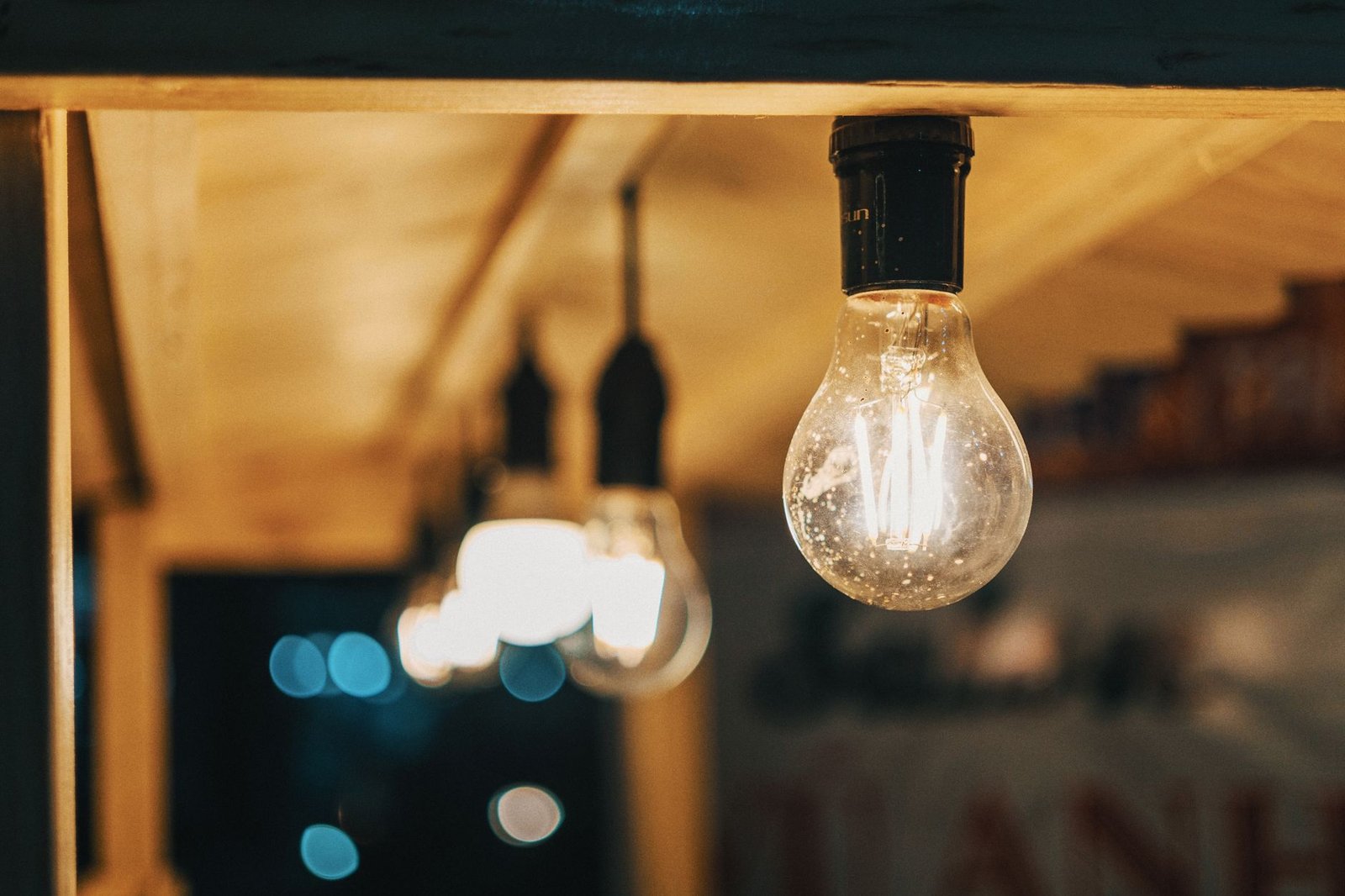
Incandescent bulbs inherently produce very little blue light, making them a ‘warm’ light source by default. While this offers an advantage in terms of evening blue light exposure, their energy inefficiency and diminishing availability make them less practical for widespread home application in 2026.
Color Rendering Index (CRI) and Visual Clarity
The Color Rendering Index (CRI) measures how accurately a light source reveals the true colors of objects compared to natural daylight. A high CRI (typically 90+) is crucial for visual clarity, reducing eye strain, and enhancing the aesthetic appeal of interiors. Poor CRI can lead to distorted color perception, requiring the eyes to work harder to interpret surroundings.
Historically, incandescents boasted a perfect CRI of 100, serving as the benchmark. Modern LEDs, however, have made monumental strides in this area. By 2026, it is commonplace to find LEDs with CRIs exceeding 95, offering exceptional color accuracy while consuming a fraction of the energy. For tasks requiring detailed visual work, such as cooking, reading, or artistic endeavors, selecting LEDs with a high CRI is paramount for maintaining eye comfort and minimizing strain.
Glare and Diffusion
Both LED and incandescent light sources, if improperly designed or installed, can produce uncomfortable glare. Direct glare from a bare bulb or poorly shielded fixture can cause discomfort and reduce visual performance. The compact nature of LED chips can sometimes lead to intense point sources of light.
For optimal eye comfort in 2026, lighting design emphasizes diffused and indirect illumination. Fixtures with frosted diffusers, recessed lighting, cove lighting, and uplighting techniques are highly recommended regardless of the light source. Modern LED fixtures often integrate advanced optical diffusers and reflectors to spread light evenly, preventing harsh spots and promoting a softer, more comfortable glow across the room.
Beyond Eye Health: Efficiency, Longevity, and Comfort
While eye health is a primary concern, the broader benefits of LED technology further underscore its prevalence in 2026 homes.
- Energy Efficiency: LEDs consume up to 90% less energy than incandescents, leading to substantial reductions in electricity bills for the homeowner. This contributes significantly to both personal economics and environmental sustainability.
- Longevity: With lifespans often exceeding 25,000 hours, compared to an incandescent’s typical 1,000-hour life, LEDs drastically reduce the frequency of bulb replacement, offering convenience and long-term cost savings.
- Heat Output: Incandescent bulbs convert a significant portion of their energy into heat, making them inefficient and potentially contributing to indoor temperatures, especially in warmer climates. LEDs, conversely, produce very little heat, maintaining cooler environments and reducing demands on cooling systems.
- Design Versatility and Smart Integration: The compact size of LEDs allows for innovative fixture designs, from slim profiles to integrated lighting within architecture. Coupled with advanced smart home protocols like Matter and Thread, which are gaining widespread adoption in 2026, LEDs offer unparalleled control over brightness, color, scheduling, and scene setting, enhancing overall domestic comfort and personalized ambiance.
Making the Illuminated Choice: Recommendations for 2026
For the homeowner navigating lighting choices in 2026, the overwhelming evidence points to sophisticated LED solutions as the superior option for eye health, energy efficiency, and overall domestic comfort. When selecting LED lighting, consider the following:
- Prioritize Flicker-Free: Always choose LEDs from reputable manufacturers that explicitly state flicker-free operation, especially for areas used for reading or screen time.
- Embrace Tunable White: For dynamic environments and to support circadian rhythms, invest in tunable white LEDs, allowing adjustment of color temperature throughout the day.
- Seek High CRI: Opt for LEDs with a CRI of 90 or higher to ensure accurate color perception and reduced eye strain.
- Consider Low-Blue Options: For evening lighting, particularly in bedrooms, explore specialized low-blue light LEDs.
- Focus on Diffusion: Integrate fixtures with diffusers, or utilize indirect and layered lighting techniques to minimize glare and create a softer, more enveloping light.
- Leverage Smart Technology: Utilize smart lighting systems for automated adjustments and personalized control, further enhancing comfort and efficiency.
In conclusion, while incandescents possess a nostalgic appeal and inherent warmth, their practical disadvantages, particularly in energy consumption and limited control, are starkly apparent in 2026. Modern LED technology, with its continuous innovations in eye health considerations, efficiency, and smart capabilities, stands as the definitive choice for the contemporary home, offering a bright, comfortable, and visually supportive environment for its residents.