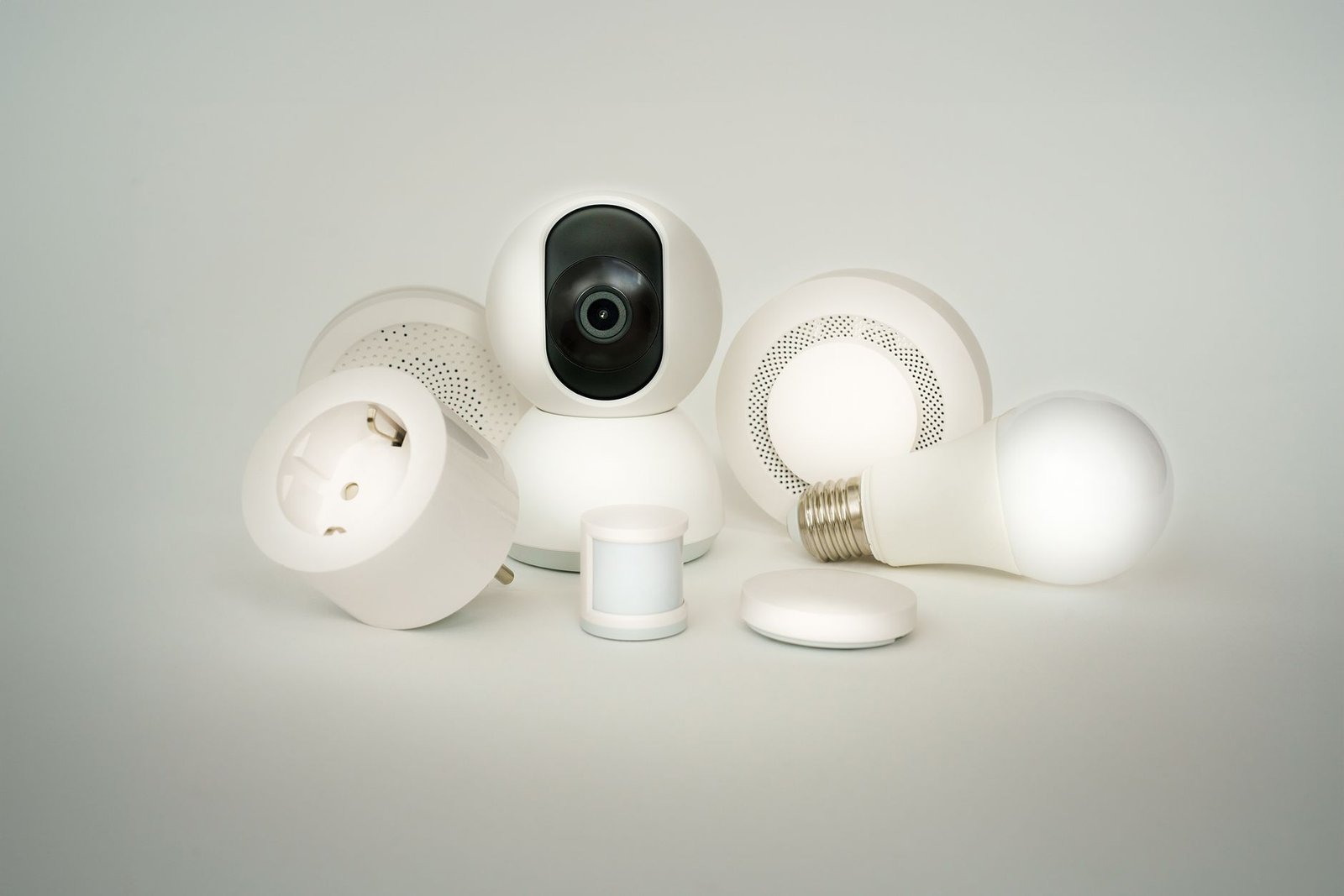
Smart plugs have solidified their position as indispensable components in the modern smart home ecosystem of 2026. These unassuming devices offer robust capabilities for automating household appliances, meticulously managing energy consumption, and significantly enhancing daily convenience. By transforming conventional electronics into intelligent, controllable elements, smart plugs empower residents to create a more responsive, efficient, and comfortable living environment.
The Evolving Landscape of Smart Plugs in 2026
The capabilities of smart plugs have expanded considerably by 2026, moving beyond simple remote control and scheduling. Modern iterations boast advanced features such as granular energy monitoring, voice assistant integration, and seamless interoperability through protocols like Matter and Thread. These advancements ensure greater reliability, reduced latency, and enhanced security for connected devices. Furthermore, the industry is seeing a push towards more sustainable materials and modular designs, aligning with broader environmental consciousness.
Artificial intelligence (AI) integration is a pivotal trend, allowing smart plugs to learn usage patterns and make predictive adjustments, optimizing energy use without constant manual input. This sophisticated level of automation is transforming how households interact with their environments, making the promise of a truly intelligent home a reality.
7 Clever Home Uses for Smart Plugs in 2026
-
Optimized Energy Management and Cost Savings
One of the primary benefits of smart plugs is their ability to precisely manage energy consumption. Many electronic devices consume a small amount of power even when turned off, a phenomenon known as ‘phantom load’ or ‘vampire draw.’ Smart plugs can eliminate this wasted energy by completely cutting power to devices like entertainment centers, computer peripherals, and chargers when not in use. By 2026, advanced smart plugs integrate with home energy dashboards, providing real-time data and AI-driven insights to help the resident identify energy hogs and schedule cut-offs based on predictive usage patterns, leading to substantial utility bill reductions and a smaller carbon footprint.
-
Dynamic Lighting and Ambiance Control
Beyond standard smart bulbs, smart plugs can transform any traditional lamp into a smart light. This allows for intricate scheduling of floor lamps, table lamps, and even holiday decorations, creating dynamic lighting scenes or ensuring lights are never left on unnecessarily. For instance, a resident can schedule exterior path lighting to activate at dusk and deactivate at dawn, or create a welcoming glow for arrival. With 2026’s emphasis on biophilic design, smart plugs also efficiently manage grow lights for indoor vertical gardens or automatically control water pumps for decorative indoor fountains, enhancing natural elements within the home’s ambiance.
-
Enhanced Home Security and Presence Simulation
Smart plugs play a crucial role in bolstering home security. By connecting lamps, radios, or televisions, the resident can program schedules that mimic occupancy, deterring potential intruders even when the premises are vacant. Integration with motion sensors allows lights to automatically switch on when unexpected movement is detected, startling intruders and alerting the resident. Furthermore, outdoor smart plugs can manage floodlights or even trigger a garden sprinkler system if an unauthorized presence is detected, offering an additional layer of deterrent. Predictive analytics in 2026 can further refine these simulations based on local crime trends and resident patterns.
-
Smart Appliance Integration for Daily Convenience
Many traditional appliances can gain smart functionalities through a smart plug. Imagine scheduling a coffee maker to start brewing just before waking up or having a slow cooker begin preparing dinner while the resident is still at work. Fans, humidifiers, and air purifiers can be controlled remotely or set on schedules to optimize indoor air quality and comfort. In 2026, these integrations often involve AI learning individual preferences, ensuring a comfortable environment is pre-set upon arrival, such as activating a portable heater or fan in a specific room based on predicted return times and external temperature data.
-
Automated Outdoor Spaces and Garden Care
The utility of smart plugs extends seamlessly to outdoor environments. Weather-resistant smart plugs can automate irrigation pumps for gardens, control decorative pond features, or manage outdoor string lights for evening gatherings. For those embracing the burgeoning trend of urban gardening and hydroponics in 2026, smart plugs are essential for timing grow lights, nutrient pumps, and aeration systems, ensuring optimal conditions for plant growth without constant manual oversight. This automation conserves water and energy while promoting lush, healthy landscapes and productive gardens.
-
Personalized Health and Wellness Environments
Creating an environment conducive to health and wellness is made easier with smart plugs. Devices such as essential oil diffusers, humidifiers, or heated blankets can be scheduled to activate at specific times, aligning with sleep cycles or daily routines. For instance, a humidifier can be programmed to switch on an hour before bedtime to improve air quality during sleep. In 2026, these plugs often integrate with environmental sensors, automatically adjusting based on indoor air quality, temperature, or even the resident’s biometric data to maintain an optimal personal comfort zone.
-
Intelligent Charging Station Management
With the proliferation of electric vehicles (EVs) and numerous personal electronic devices, intelligent charging is becoming increasingly important. Smart plugs can be used to manage charging stations for electric bikes, tools, or even smaller EVs, preventing overcharging which can degrade battery life. AI-powered smart plugs in 2026 can analyze peak electricity rates and vehicle usage patterns to optimize charging schedules, ensuring devices are fully charged when needed while minimizing electricity costs. This extends battery longevity and contributes to overall energy efficiency within the household.
Selecting the Right Smart Plugs for the Modern Home
When integrating smart plugs into a home in 2026, several factors warrant consideration. Compatibility with existing smart home ecosystems (e.g., Apple HomeKit, Google Home, Amazon Alexa) is paramount, with Matter and Thread emerging as robust universal standards. Residents should look for models offering granular energy monitoring features to fully capitalize on energy-saving benefits. Safety certifications, a compact form factor that doesn’t block adjacent outlets, and robust Wi-Fi or Thread connectivity are also crucial. Furthermore, prioritizing products from manufacturers committed to sustainable practices and offering modular, repairable designs aligns with contemporary environmental values.
The Future-Forward Home with Smart Plugs
Smart plugs are far more than simple on/off switches; they are foundational elements of the integrated, intelligent home of 2026. Their versatility in automating processes, facilitating substantial energy savings, and boosting overall domestic comfort makes them an invaluable investment. By leveraging these clever devices, residents can unlock the full potential of their existing appliances, transforming a conventional dwelling into a seamlessly managed, responsive, and future-forward living space where convenience and efficiency coexist harmoniously.