
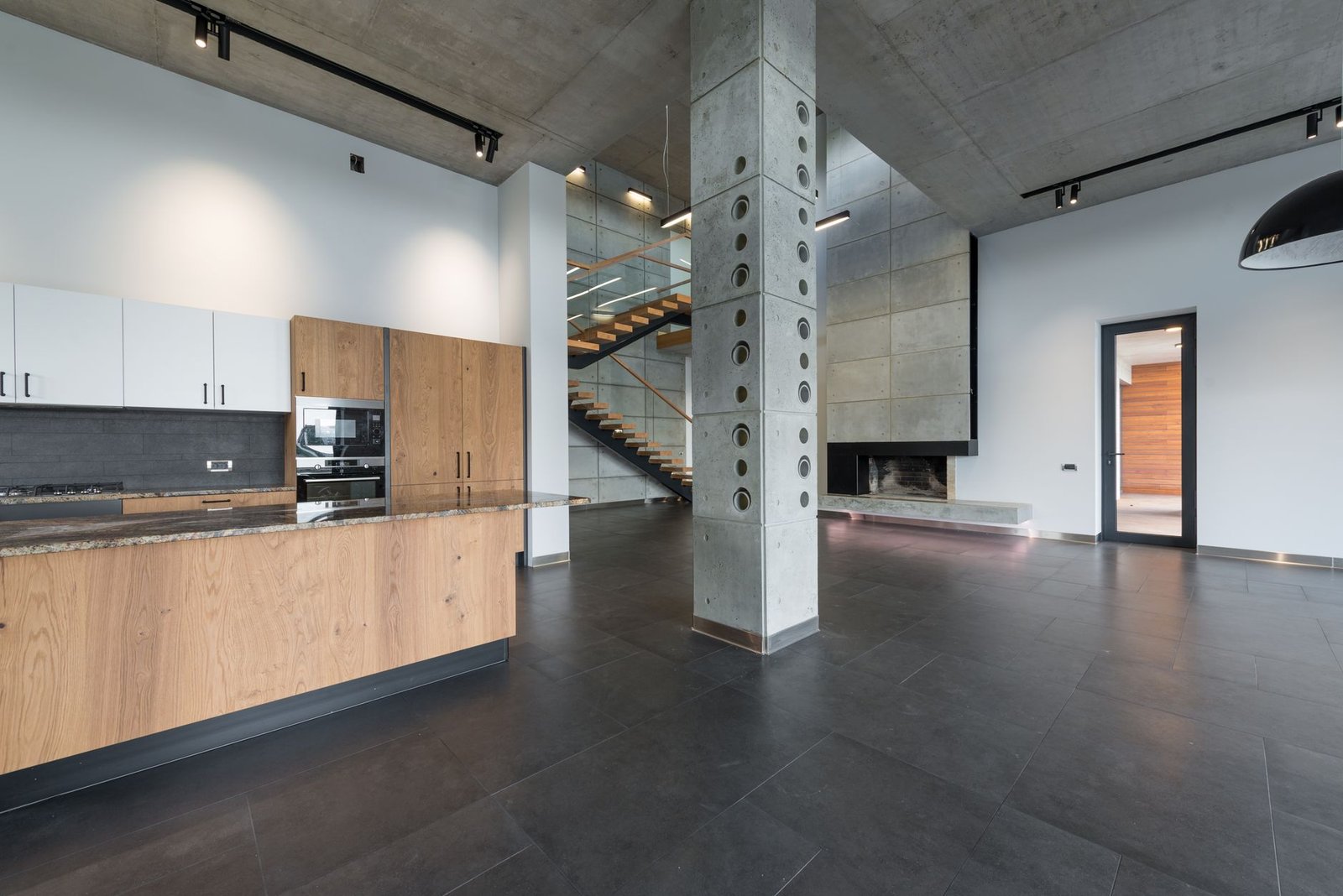
For homeowners navigating kitchen renovation choices in 2026, the dilemma between luxury vinyl plank (LVP) and ceramic tile flooring is a prominent one. While both options offer distinct advantages for high-traffic kitchen environments, each presents unique considerations regarding durability, cost, installation, and style trends that significantly influence the optimal selection for a residence.
Durability and Longevity in 2026
When evaluating flooring for a kitchen, durability is paramount. The kitchen endures daily foot traffic, spills, and potential impacts from dropped items. Both LVP and ceramic tile have made significant strides in resilience by 2026, yet their inherent characteristics dictate different performance profiles.
LVP Durability in 2026
Modern luxury vinyl plank flooring, particularly those designated as rigid core or stone plastic composite (SPC), offers exceptional durability. Manufacturers in 2026 are integrating advanced wear layers, often incorporating ceramic bead or diamond dust for superior scratch and abrasion resistance. These enhanced surfaces protect the high-definition photographic layer beneath, ensuring the aesthetic integrity for an extended period. LVP’s inherent flexibility makes it resistant to chipping and cracking from dropped items, a common concern in kitchens. Furthermore, its 100% waterproof nature, especially with click-lock or glue-down installations, makes it impervious to spills, a crucial factor in moisture-prone kitchen spaces. The expected lifespan for high-quality LVP in 2026 often exceeds 20-25 years with proper maintenance.
Ceramic Tile Resilience
Ceramic tile, a time-tested material, remains a highly durable option. Its hardness and density provide excellent resistance to wear and tear. In 2026, advancements in tile manufacturing include denser body compositions and increasingly sophisticated glazes that offer enhanced stain, scratch, and chemical resistance. Ultra-large format ceramic tiles, a dominant trend, also reduce the number of grout lines, addressing a traditional vulnerability point. The main drawback for ceramic tile durability stems from its brittle nature; heavy impacts can cause chips or cracks, necessitating individual tile replacement. Grout lines, even with improved formulations, still require diligent cleaning and can be susceptible to staining if not properly sealed or if using older, porous types. Properly installed and maintained, ceramic tile can last 50 years or even longer, often outliving the home’s other finishes.
Cost Analysis and Value Proposition
Budgetary considerations play a critical role in any flooring decision. The total cost encompasses not only material expenses but also installation labor, subfloor preparation, and long-term maintenance implications.
LVP Cost Breakdown
The cost of LVP materials in 2026 typically ranges from $2.50 to $7.00 per square foot for high-quality, rigid core options. Installation costs vary but are generally lower than ceramic tile, ranging from $2.00 to $5.00 per square foot, especially for click-lock systems which can be a feasible DIY project for skilled homeowners. Subfloor preparation for LVP is less demanding; it requires a relatively flat and clean surface but is more forgiving than tile, often accommodating minor imperfections without extensive remediation. The overall value proposition of LVP is strong due to its comparatively lower upfront cost and robust performance.
Ceramic Tile Investment
Ceramic tile material costs in 2026 generally range from $3.00 to $10.00 per square foot, with designer or specialized large-format tiles reaching higher price points. Installation, however, is significantly more labor-intensive and expensive, typically costing between $5.00 and $15.00 per square foot, and is almost always performed by professionals. Extensive subfloor preparation, including backer board installation and meticulous leveling, is often required, adding to the total project cost. While the initial investment for ceramic tile is higher, its exceptional longevity can provide excellent long-term value, as replacement cycles are much longer.
Installation Complexity and Time
The ease and speed of installation can be a decisive factor, particularly for homeowners managing their own projects or those with tight renovation timelines.
LVP Installation in 2026
LVP offers a distinct advantage in installation. Click-lock or floating LVP systems are designed for straightforward installation, making them a popular choice for confident DIYers. These systems eliminate the need for adhesives, reducing installation time and mess. Glue-down LVP, while requiring more skill, provides an even more secure and stable floor. The material is easily cut with a utility knife, and most planks can be installed without specialized tools. A typical kitchen LVP installation can often be completed within one to two days, depending on the area and complexity.
Ceramic Tile Installation
Ceramic tile installation is considerably more complex and time-consuming. It involves careful layout planning, mixing and applying mortar, precise tile placement, significant drying times, and subsequent grouting and sealing. Specialized tools such as a wet saw for cutting, trowels, and floats are necessary. Due to the precision and skill required, professional installation is highly recommended to ensure a level, durable, and aesthetically pleasing finish. A typical kitchen tile installation can take several days, with additional time needed for curing before the floor can be used, potentially extending the project timeline significantly.
Style, Aesthetics, and 2026 Trends
Beyond practicalities, the visual appeal and alignment with current design trends are crucial for creating a comfortable and modern kitchen space.
LVP Style Trends
LVP in 2026 continues its ascent in aesthetic sophistication. Advanced photorealistic printing technologies allow LVP to mimic natural wood and stone with astonishing accuracy, replicating intricate grain patterns, knots, and textural variations. Current trends favor wide planks and longer lengths, emulating hardwood designs. Popular color palettes lean towards lighter, natural oaks and rich, muted walnuts, aligning with the biophilic and minimalist design movements prevalent in 2026. LVP also offers stone-look options, replicating concrete, marble, and slate, providing versatility for various interior design schemes. Its consistent appearance and ability to create seamless transitions are highly valued.
Ceramic Tile Aesthetic Developments
Ceramic tile remains a cornerstone of kitchen design, evolving with contemporary tastes. The most significant trend in 2026 is the dominance of ultra-large format tiles, sometimes measuring up to 48×48 inches or even larger, creating a sense of spaciousness and reducing visual clutter from grout lines. Matte and honed finishes are gaining preference over high-gloss, offering a sophisticated, understated elegance and improved slip resistance. Textured tiles, mimicking natural stone, fabric, or even metallic effects, add tactile interest. Porcelain ceramic, known for its superior density and low porosity, is often chosen for its durability and design flexibility, available in a vast array of colors, patterns, and sizes that cater to both classic and cutting-edge aesthetics, including highly personalized custom mosaic options.
Maintenance and Lifecycle Considerations
Long-term care and the ability to repair damage impact the overall satisfaction with a flooring choice.
LVP Maintenance
LVP is celebrated for its low maintenance requirements. Regular sweeping or vacuuming and occasional damp mopping with a mild cleaner are usually sufficient. Its waterproof surface prevents spills from penetrating, making cleanup effortless. If a plank is damaged, individual pieces can often be replaced, especially with click-lock systems, although finding an exact match years later might present a minor challenge due to potential discontinuation of specific lines.
Ceramic Tile Maintenance
Ceramic tile is also relatively low maintenance, resistant to stains and moisture. Routine sweeping and mopping are standard. The primary maintenance concern lies with the grout lines, which can accumulate dirt and stain over time. Regular cleaning and occasional re-sealing of grout are necessary to preserve its appearance and integrity. If a tile chips or cracks, it can be replaced, but this process is more involved than replacing an LVP plank, requiring specialized tools and skill to remove the damaged tile and install a new one without affecting adjacent tiles.
Conclusion: Making the Informed Choice
Choosing between luxury vinyl plank and ceramic tile for a kitchen in 2026 ultimately depends on the homeowner’s specific priorities. For those prioritizing affordability, ease of installation, and a softer underfoot feel, modern LVP with its advanced durability and aesthetic versatility presents a compelling option. Its waterproof nature and resistance to impact damage make it highly practical for busy kitchens. Conversely, if unparalleled longevity, premium design flexibility, and a truly traditional hard-surface feel are the primary considerations, ceramic tile remains an enduring and elegant choice, despite its higher upfront cost and more complex installation. By carefully weighing these factors against individual lifestyle, budget, and design aspirations, residents can confidently select the flooring that best serves their kitchen for years to come.