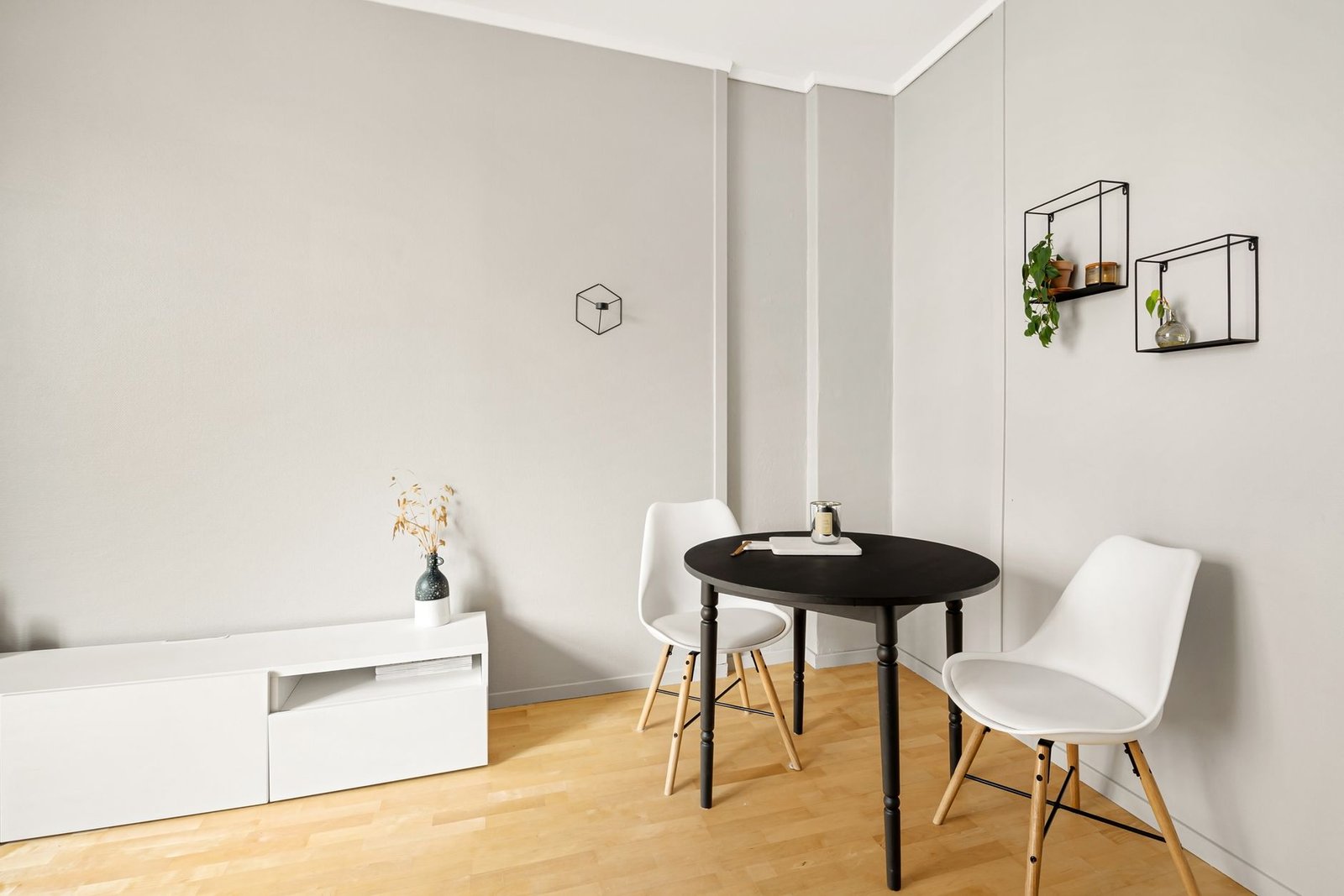
Living in a small apartment presents unique organizational challenges, especially for renters who must avoid permanent alterations. However, maximizing space without damaging rental property is entirely achievable with strategic planning and innovative solutions. This article unveils nine ingenious organization hacks specifically tailored for residents of compact rental units in 2026, leveraging modern materials and design trends to transform confined spaces into highly efficient and aesthetically pleasing homes.
Maximizing Verticality with Non-Permanent Solutions
1. Embrace Vertical Real Estate with Tension-Based Systems
Vertical space often remains underutilized in small apartments. Tension rods, available in various lengths and strengths, offer a highly versatile and non-damaging solution for creating instant storage. These can be deployed inside cabinets to stack cleaning supplies, under sinks to organize bottles, or within closets to add an extra hanging bar for clothes. In 2026, many tension rod systems feature enhanced non-slip rubberized ends and stronger internal mechanisms, ensuring stability without marking surfaces. Similarly, over-the-door organizers provide immediate storage for shoes, pantry items, or bathroom essentials without requiring any drilling. The resident can simply hook them over the top of any standard door.
2. Deploy Advanced Non-Damaging Wall-Mounted Systems
Permanent shelving or hook installation is often prohibited for renters, but modern adhesive technologies offer robust alternatives. Advanced command strips and nano-suction technology have seen significant improvements by 2026, supporting greater weights and leaving absolutely no residue upon removal. The user can install sleek, minimalist shelves for books or decorative items, or adhesive hooks for coats, towels, and kitchen utensils. Magnetic strips with strong adhesive backings are also ideal for organizing knives in the kitchen or tools in a utility closet, keeping countertops clear and essentials within easy reach.
Smart Furniture and Material Choices for 2026
3. Invest in Multifunctional Furniture with Integrated Storage
Every piece of furniture in a small space should ideally serve at least two purposes. By 2026, the market offers an impressive array of multifunctional furniture designed with integrated storage. Storage ottomans provide extra seating and discreet space for blankets or magazines. Coffee tables that lift to reveal hidden compartments or expand into dining tables are invaluable. Beds with built-in drawers underneath or even innovative wall-beds that fold up to reveal desks or shelving units represent a pinnacle of space efficiency. Selecting modular sofa systems also allows the resident to reconfigure layouts as needs change, offering flexibility that traditional furniture does not.
4. Leverage Modular and Adaptable Storage Units
Freestanding, modular shelving and cubby systems are essential for renters. These units do not require wall attachment and can be configured to fit various spaces, from a narrow hallway to an awkward corner. Contemporary designs in 2026 emphasize tool-free assembly and lightweight, durable materials like recycled PET felt or high-grade bamboo composites. Such systems can be expanded, contracted, or rearranged, making them perfect for adapting to different rental properties or evolving organizational needs. The ability to customize shelf heights and add or remove components provides unparalleled flexibility.
5. Utilize Advanced, Sustainable Materials for Lightweight Solutions
The year 2026 highlights a strong trend toward sustainable and lightweight materials in home organization. Products made from recycled plastics, sustainably sourced bamboo, or biocomposites offer durability without the bulk or weight of traditional materials. Storage bins crafted from recycled PET felt are both sturdy and collapsible, perfect for storing textiles or toys. Lightweight, stackable drawers made from innovative bioplastics provide transparent or translucent options, allowing the user to easily identify contents while maintaining a clean aesthetic. These materials are not only eco-friendly but also easier to move and reconfigure, aligning perfectly with a renter’s needs.
Optimizing Every Nook and Cranny
6. Optimize Under-Utilized Zones: Under-Bed & Back-of-Door
Overlooked spaces like the area under the bed or the back of cabinet doors can become significant storage assets. Slim, wheeled containers designed specifically for under-bed storage are perfect for seasonal clothing, extra bedding, or rarely used items, keeping them dust-free and out of sight. For cabinet doors, specialized organizers can hold spices, cleaning supplies, or toiletries, freeing up valuable shelf space. These often attach with adhesive strips or over-the-door hooks, ensuring no damage to the cabinetry. Residents can also explore vertical filing systems for kitchen implements or bathroom styling tools mounted on the inside of cabinet doors.
7. Implement Hyper-Organized Drawer and Cabinet Systems
Even small drawers and cabinets can become highly efficient with the right internal organization. Drawer dividers, expanders, and stackable inserts are crucial for categorizing items, preventing clutter, and maximizing every square inch. From utensil trays in the kitchen to jewelry organizers in the bedroom, these simple additions bring order to chaos. Spice racks that descend from shelves or tiered inserts for pantry items ensure that everything is visible and accessible, eliminating the need to rummage through disarray. This granular approach to organization ensures no space is wasted and daily routines are streamlined.
Strategic Integration and Visual Expansion
8. Integrate Smart, Compact Technology for Enhanced Efficiency
In 2026, smart home technology extends beyond convenience to actively aid in space optimization. Compact smart diffusers replace bulky humidifiers and air purifiers, often with minimalist designs. App-controlled dynamic lighting systems can significantly alter the perceived size and mood of a room. Warm, expansive lighting can make a small space feel larger and more inviting, while cooler tones can enhance focus in a workspace. Digital photo frames reduce the need for multiple physical frames, consolidating memories into one sleek device. Even smart appliance choices prioritize compact footprints without sacrificing functionality, crucial for small kitchens.
9. Employ Strategic Visual Tricks to Expand Perceived Space
Beyond physical organization, strategic aesthetic choices can make a small apartment feel significantly larger. Large mirrors, strategically placed, reflect light and create the illusion of depth, effectively doubling the apparent size of a room. Utilizing light color palettes for walls, furniture, and textiles creates an airy, open feel. Transparent or translucent furniture, such as acrylic chairs or glass-top tables, allows light to pass through, reducing visual bulk and contributing to a spacious ambiance. Maintaining a consistent color scheme and minimizing excessive decor also helps create a harmonious, uncluttered visual flow that enhances the perception of space.
By adopting these nine genius organization hacks, renters in small apartments can create highly functional, aesthetically pleasing, and comfortable living environments without compromising their rental agreement. The integration of 2026’s material innovations, smart technology, and thoughtful design principles allows for sophisticated space management, proving that even the most compact dwelling can be a sanctuary of comfort and order.