
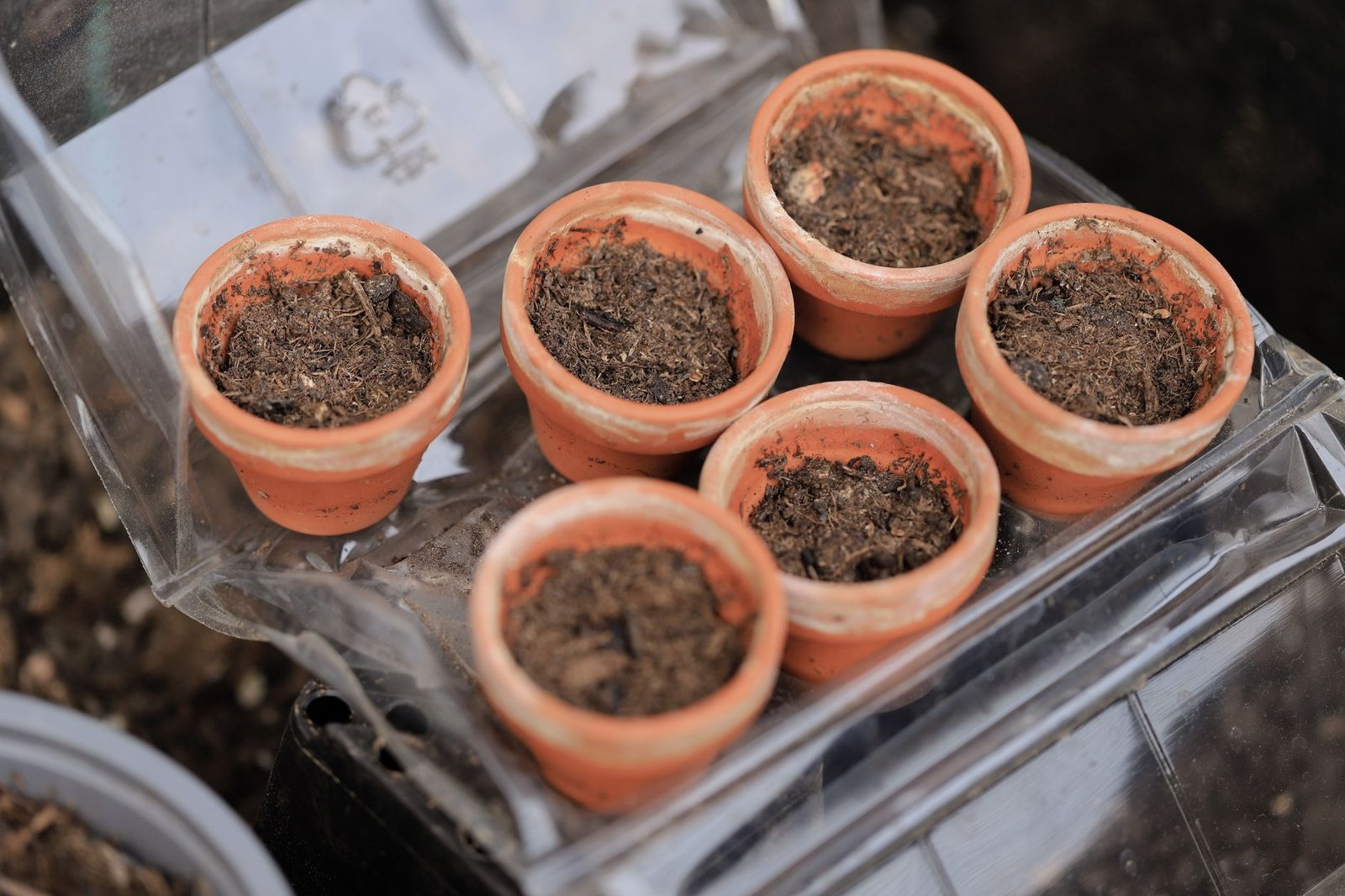
Gardening in clay soil can indeed feel like an uphill battle, often presenting significant challenges for the resident due to its dense nature and poor drainage. However, this common sentiment overlooks the highly amendable characteristics of clay, which, with the right approach and modern solutions, can be transformed into a thriving garden. By understanding clay’s unique properties and applying specific amendments, the homeowner can unlock its potential, cultivating a robust landscape. This article will explore five essential soil amendments for 2026, offering actionable strategies to turn challenging clay into fertile ground.
Understanding the Clay Soil Conundrum
Clay soil is characterized by its exceptionally small, tightly packed particles, which leave minimal pore space. This structure results in several common gardening frustrations: slow drainage, waterlogging, poor aeration, and increased compaction. Roots struggle to penetrate the dense soil, air cannot reach critical root zones, and water moves sluggishly, often leading to plant stress, root rot, and nutrient lock-up. While clay soils are often rich in nutrients due to their high cation exchange capacity, these nutrients are frequently inaccessible to plants when the soil structure is compromised. The resident attempting to cultivate such soil often experiences frustration with hard, cracked surfaces in dry spells and boggy conditions after rain.
The 2026 Approach: 5 Essential Amendments for Clay Soil
Transforming clay soil requires a multifaceted approach focused on improving its physical structure, enhancing drainage, and fostering a healthy microbial environment. The following amendments represent modern, effective strategies for the discerning gardener in 2026.
1. Organic Matter Powerhouses
Perhaps the most critical and universally recommended amendment for clay soil is organic matter. Materials such as well-rotted compost, aged manure, leaf mold, and finely shredded bark work by creating larger soil aggregates. These aggregates enhance pore space, improving both drainage and aeration while simultaneously increasing the soil’s water-holding capacity in drier periods. Organic matter also serves as a vital food source for beneficial soil microorganisms, which further contribute to soil structure improvement through their activities and secretions. In 2026, the availability of high-quality, regionally sourced, and often pathogen-free composts has expanded, with a growing emphasis on diverse organic inputs to build a resilient and balanced soil microbiome.
2. Gypsum’s Granular Grasp
Gypsum (calcium sulfate dihydrate) is a beneficial amendment, particularly effective in clay soils that are high in sodium. It works by replacing sodium ions with calcium ions, causing clay particles to flocculate, or clump together. This process creates larger aggregates, which in turn improves soil structure, water infiltration, and aeration. Gypsum also adds essential calcium and sulfur, vital plant nutrients. While its effectiveness is most pronounced in sodic clays, it can still offer structural benefits in other clay types. Modern formulations available in 2026 include finely granulated gypsum for quicker action and easy-to-spread granular forms, making application simpler for the homeowner.
3. Biochar: The Carbon Champion
Biochar, a highly porous charcoal produced by pyrolyzing organic material, is gaining significant traction as a long-term soil amendment. Its unique structure provides permanent pore spaces within the clay, greatly enhancing aeration and drainage. Beyond structural improvement, biochar acts like a sponge, increasing the soil’s water and nutrient retention capacity. It also offers an ideal habitat for beneficial microorganisms, boosting overall soil health and nutrient cycling. For 2026, research continues to refine biochar applications, with specialized, inoculated formulations becoming more accessible, promising enhanced efficacy for various soil types and a greater emphasis on sustainably sourced products to minimize environmental impact.
4. Expanded Shale or Perlite for Aeration
Incorporating inert, lightweight aggregates like expanded shale or perlite provides permanent physical channels for air and water within dense clay. Unlike organic matter, which breaks down over time, these materials maintain their structure indefinitely, preventing future re-compaction. Expanded shale, a baked clay aggregate, is often a more sustainable choice when available locally, reducing transportation costs and environmental footprint compared to perlite, which is typically mined and shipped from specific regions. New lightweight aggregate blends designed for specific soil types are emerging in 2026, offering tailored solutions for the discerning gardener seeking durable soil improvement.
5. Innovative Soil Conditioners and Microbial Boosters
Beyond bulk amendments, a range of advanced soil conditioners and microbial boosters are available to fine-tune clay soil health. Products containing humic acids and fulvic acids can chelate nutrients, making them more available to plants, and indirectly improve soil structure by stimulating microbial activity. Beneficial microbial inoculants, such as mycorrhizal fungi and specific strains of beneficial bacteria, form symbiotic relationships with plant roots, enhancing nutrient uptake, improving root development, and contributing to soil aggregation. The 2026 landscape sees rapid growth in these biological amendments, with precise, often liquid, formulations tailored to specific plant needs and soil deficiencies, often incorporating smart-release mechanisms to optimize their impact on the natural soil biome.
Strategic Application and Long-Term Success
Effective clay soil amendment is not merely about adding materials; it involves strategic planning and consistent effort.
Soil Testing: The Foundation of Improvement
Before any major amendment, a comprehensive soil test is crucial. This provides invaluable data on existing nutrient levels, pH, and organic matter content, guiding the homeowner towards the most appropriate amendments and application rates. Understanding the baseline ensures resources are utilized effectively, saving time and effort.
Incorporation Techniques for Lasting Impact
For amendments to be truly effective in clay, they must be thoroughly incorporated into the root zone, typically the top 6-12 inches. Deep tilling can be employed initially to mix amendments, but subsequent practices should lean towards no-till methods and regular top-dressing with organic matter to avoid disrupting the newly formed soil structure. For severely problematic areas, creating raised beds filled with an amended soil mix offers an immediate solution.
Mindful Plant Selection
While amendments greatly improve conditions, selecting plants that are naturally tolerant of clay soil can enhance success. Species such as hostas, astilbes, sedums, certain ornamental grasses, and many native trees and shrubs often thrive in heavier soils, providing robust growth even as amendments take effect. The resident should research species known for their adaptability to clay conditions.
Ongoing Maintenance for Sustained Health
Maintaining healthy clay soil is an ongoing process. Regular top-dressing with compost and a consistent layer of organic mulch helps suppress weeds, retain moisture, regulate soil temperature, and continually feed beneficial microorganisms. Avoiding compaction by refraining from walking on wet soil and using designated pathways is also essential. Consistent, gentle irrigation further supports a stable soil environment.
Gardening with clay soil, while challenging, is far from impossible. By understanding its fundamental characteristics and proactively applying modern amendments like organic matter, gypsum, biochar, expanded shale, and cutting-edge microbial boosters, the homeowner can fundamentally transform their garden space. Patience, consistent effort, and a strategic approach, guided by soil testing and mindful practices, will lead to flourishing landscapes and enduring domestic comfort, even in the densest of soils.