
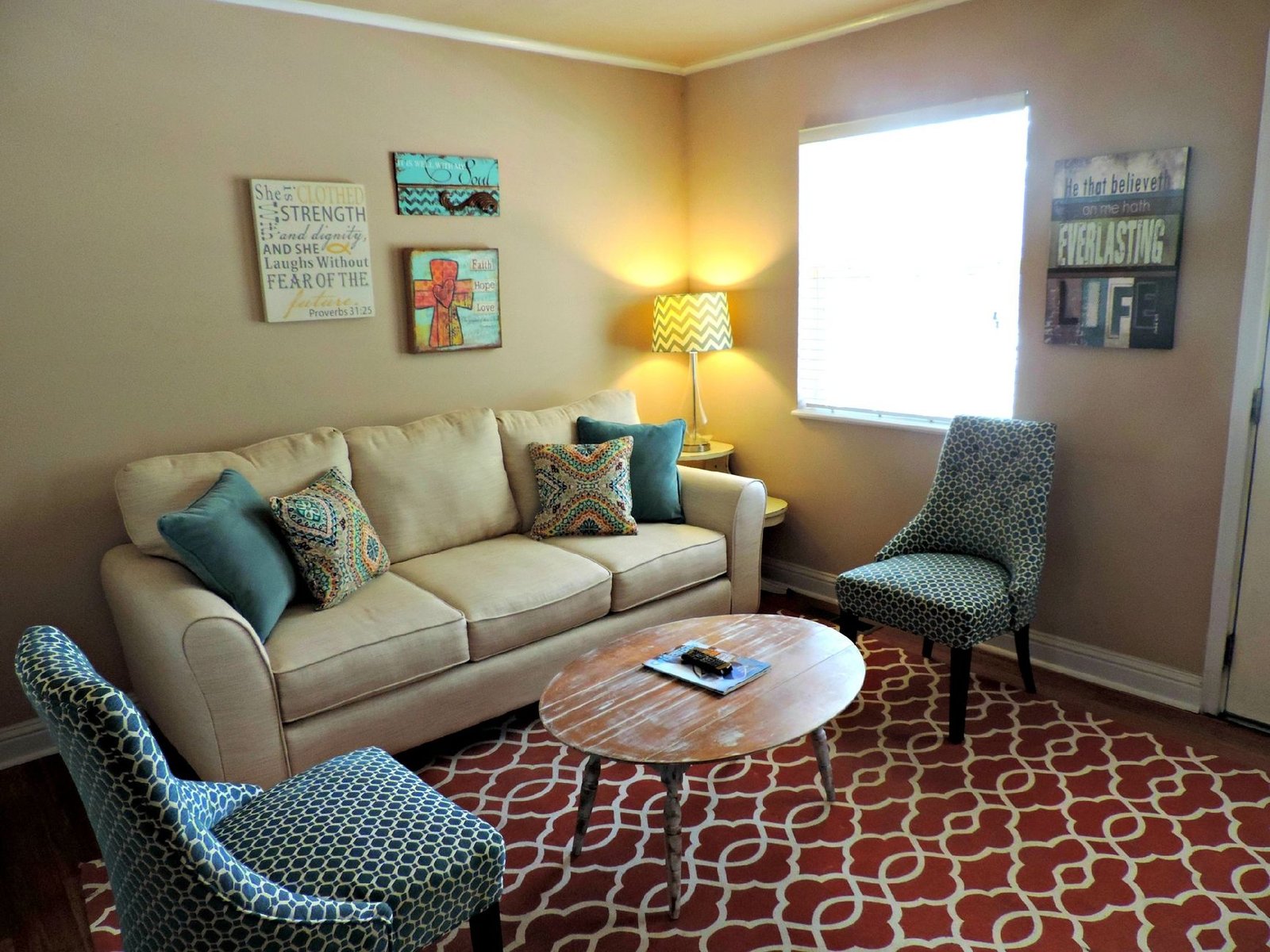
When furnishing a compact living room in 2026, the critical decision between a sectional sofa and a combination of a sofa and separate chairs often presents a significant challenge. While no singular answer definitively declares one option superior, the optimal choice hinges entirely on the specific dimensions of the room, the desired functionality, and the aesthetic vision of the homeowner. This article delves into the practicalities, space-saving aspects, and aesthetic appeal of both configurations, factoring in contemporary 2026 design trends and material advancements to guide the decision-making process.
Understanding Small Living Rooms in 2026
Modern urban living continues to drive the demand for intelligently designed small spaces. In 2026, small living rooms are not merely compact; they are expected to be highly functional, visually expansive, and adaptable. Design philosophies now emphasize multi-purpose furniture, integrated technology, and a streamlined aesthetic that avoids clutter. Maximizing usable floor area without compromising on comfort or style is the primary objective, making furniture selection more strategic than ever.
The Evolving Definition of ‘Small’
The term ‘small’ has broadened to encompass not just limited square footage but also rooms with challenging layouts, numerous doorways, or unconventional wall angles. Furniture solutions in 2026 are engineered to address these complexities, offering modularity and customizable dimensions that were less common in previous decades. The focus is on creating zones within a single space, even if that space is modest.
The Case for Sectionals in Compact Spaces
Sectionals have evolved significantly, moving beyond their reputation as bulky, space-consuming units. Modern 2026 sectionals are often engineered with small spaces in mind, offering compelling advantages.
Space Maximization and Cohesion
- Corner Utilization: A well-chosen sectional can brilliantly utilize a room’s corner, turning an often-underused area into prime seating real estate. This eliminates the ‘dead space’ that might exist between a standalone sofa and an armchair.
- Seamless Aesthetics: A sectional creates a continuous, unified line of seating, which can make a small room feel less cluttered and more cohesive than multiple individual pieces. This visual simplicity contributes to an airy, uncluttered feel.
- Ample Seating: Despite its single form, a sectional often provides more comfortable seating capacity than a standard sofa and a single armchair, making it ideal for residents who frequently host guests or desire expansive lounging options.
2026 Versatility and Comfort
Contemporary sectionals are renowned for their modularity. Many models feature configurable chaise lounges, reversible components, and adjustable backrests, allowing the resident to adapt the configuration to different activities or room layouts. For pure lounging and comfort, especially for individuals or small families, the continuous surface of a sectional is often preferred. Integrated storage solutions, such as lift-up ottomans or armrests with hidden compartments, are also prevalent in 2026 designs, further enhancing their appeal for space-conscious living.
Considerations for Sectionals
While advantageous, sectionals do present challenges. Their larger footprint means less flexibility for rearrangement; once placed, they tend to stay in position. The visual weight can also be a concern in extremely tiny rooms, potentially making the space feel overwhelmed if not chosen with slim profiles and appropriate fabrics.
The Advantages of Sofa and Chairs in Smaller Footprints
The traditional combination of a sofa and one or two chairs remains a powerful contender for small living rooms, particularly with the innovative designs available in 2026.
Visual Lightness and Flexibility
- Airier Aesthetic: Individual pieces, especially those with exposed legs and lighter frames, inherently create more visual space. The gaps between a sofa and chairs allow light and sightlines to flow through, contributing to an open and breathable atmosphere.
- Dynamic Rearrangement: The greatest strength of separate pieces is their versatility. Chairs can be easily repositioned for conversation, moved to another part of the room for temporary use, or even rotated to face different directions. This adaptability is invaluable for multi-functional small spaces.
- Personalized Style: Homeowners can curate a highly personalized aesthetic by mixing and matching different chair styles, colors, and textures. This allows for a more eclectic or layered look that might be harder to achieve with a single sectional unit.
Accessibility and Zoning
Separate pieces offer better accessibility for cleaning around and under furniture. They also facilitate clearer zoning within a small room, allowing for a defined seating area while leaving space for other functions like a reading nook or a home office corner. 2026 furniture often features streamlined designs and reduced armrest widths on sofas and chairs, maximizing seating area without adding bulk.
Considerations for Sofa and Chairs
The primary challenge is ensuring that the individual pieces are scaled correctly for the room. Overly large items can quickly overcrowd a small space. It also requires a keen eye for coordinating pieces to avoid a disjointed appearance.
2026 Trends and Material Innovations Influencing the Choice
The landscape of furniture design in 2026 is heavily influenced by sustainability, technology, and biophilic principles, impacting both sectionals and individual pieces.
Sustainable Materials and Performance Fabrics
Eco-conscious living is paramount. Furniture in 2026 frequently features frames made from sustainably sourced timber or recycled metals. Upholstery options include innovative materials like recycled PET fabrics (derived from plastic bottles), organic cotton, hemp, and even mushroom leather, offering durability and a reduced environmental footprint. Performance fabrics are standard, providing enhanced stain resistance, water repellency, and easy-clean properties, making them ideal for high-traffic small spaces.
Smart Integration and Biophilic Design
Subtle smart features are increasingly common, such as discreetly integrated wireless charging pads or ambient lighting within furniture. Biophilic design principles are seen in furniture’s organic shapes, natural wood accents, and earthy color palettes. This trend aims to connect interior spaces with nature, promoting well-being even in urban dwellings. For small living rooms, this means selecting pieces that offer visual calm and natural textures.
Modular and Slim-Profile Design
The overarching trend for 2026 is adaptability. Both sectionals and standalone sofas/chairs are designed with modularity in mind, allowing for future reconfigurations. Slim-profile designs, featuring thinner arms, backs, and legs, are crucial for minimizing visual and physical bulk, ensuring furniture looks appropriate and does not overwhelm a smaller room.
Making the Optimal Choice
The ultimate decision rests on a detailed assessment of several factors.
- Room Dimensions and Layout: Precisely measure the room, noting doorways, windows, and traffic flow. Use masking tape on the floor to visualize furniture footprints before purchasing.
- Resident Lifestyle and Usage: Consider how the space will primarily be used. Is it a hub for frequent family gatherings, an intimate reading nook, or a flexible space for diverse activities? A sectional excels for continuous lounging, while separate pieces offer more dynamic interaction.
- Aesthetic Preference: Does the resident prefer a minimalist, unified look (often achieved with a sectional) or a more curated, eclectic style (easier with a sofa and chairs)?
- Future Flexibility: For homeowners who anticipate frequent layout changes or future moves, separate pieces offer greater ease of adaptation.
- Visual Impact: Pay attention to the scale and visual weight of the furniture. Lighter colors, exposed legs, and slim profiles can help a large piece feel less imposing in a small room.
For rooms with awkward corners or a need for maximum continuous seating, a well-proportioned, modular sectional with a slim profile and integrated storage is often the superior choice in 2026. Conversely, for residents who prioritize flexibility, an airy feel, and the ability to frequently reconfigure their space or express diverse stylistic preferences, a thoughtfully selected sofa paired with one or two scale-appropriate chairs offers unparalleled advantages. The key is to view furniture not just as individual pieces but as components of a cohesive, functional, and aesthetically pleasing living environment.