
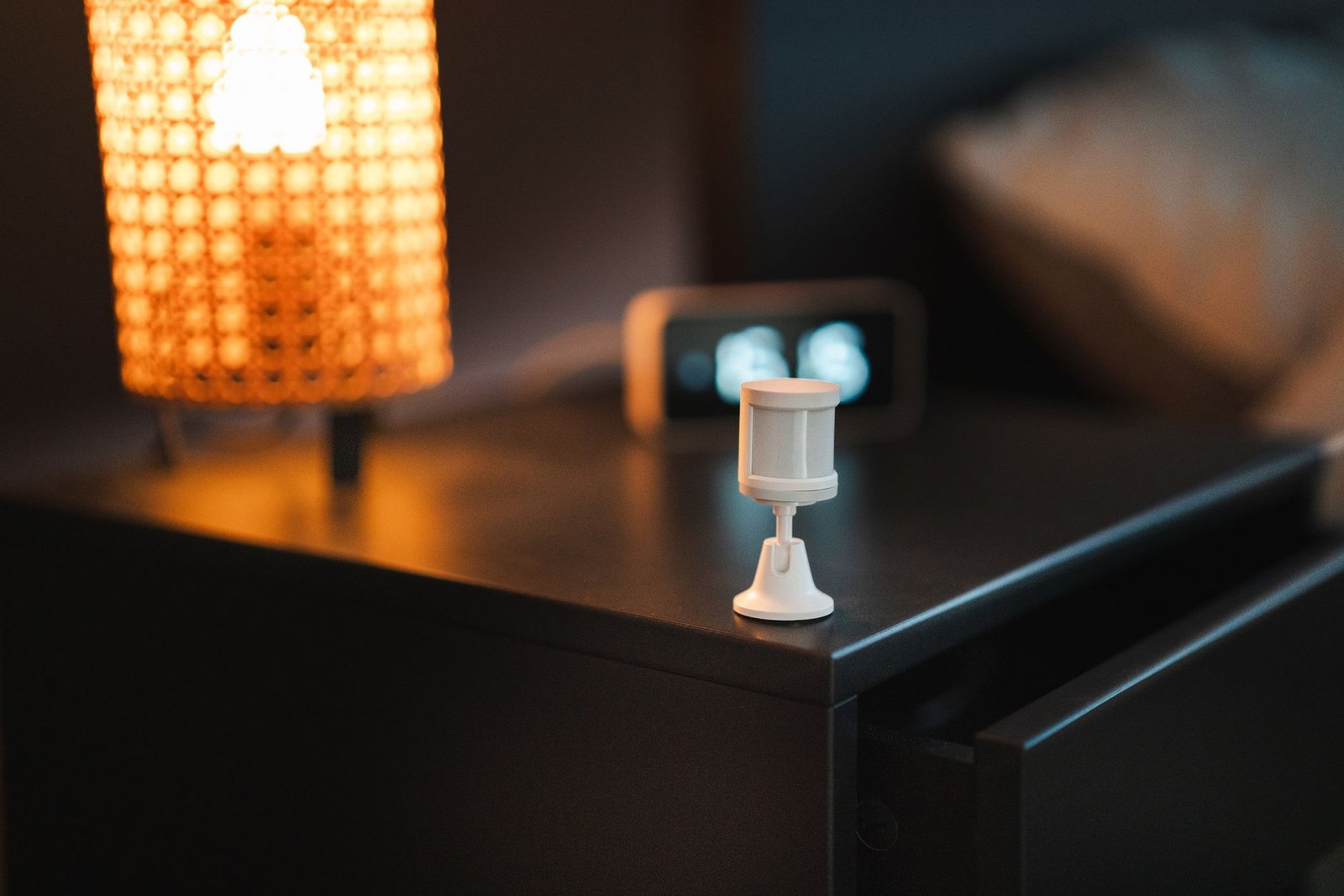
In the evolving landscape of 2026 smart home technology, safeguarding property from water damage is a paramount concern for homeowners. When comparing smart leak detectors and smart water shut-off valves, both offer crucial protection, but for comprehensive, proactive defense against catastrophic water events, smart water shut-off valves generally offer superior mitigation. While leak detectors provide essential early warnings, shut-off valves actively prevent extensive damage by automatically halting water flow.
Understanding Smart Leak Detection in 2026
Smart leak detectors represent the first line of defense in water damage prevention. These compact devices are strategically placed in areas prone to leaks, such as under sinks, near water heaters, in basements, or adjacent to appliances like washing machines and dishwashers. When moisture is detected, the sensor immediately triggers an alert, typically via a smartphone app, an audible alarm, or integration with a broader smart home system.
Functionality and 2026 Advancements
By 2026, smart leak detectors have evolved significantly. Modern iterations leverage advanced sensor technologies, including graphene-enhanced conductivity sensors, which offer heightened sensitivity and durability, capable of detecting even minute amounts of moisture or condensation. Connectivity relies on low-power protocols such as Wi-Fi, Bluetooth LE, Matter, or LoRaWAN, ensuring extended battery life—often several years—and reliable communication across larger homes. Some advanced models integrate AI-driven anomaly detection, learning normal humidity levels and temperatures to reduce false positives and predict potential pipe condensation issues before a visible leak even occurs. Material science has also improved, with casings often made from robust, water-resistant polymer composites designed to withstand prolonged exposure in damp environments.
- Pros: Typically more affordable, easy DIY installation, provides specific location alerts, useful for identifying minor, slow leaks.
- Cons: Primarily reactive, requires homeowner intervention to address the leak, does not stop the water flow, potential for significant damage before intervention.
The Evolving Landscape of Smart Water Shut-off Valves (2026)
Smart water shut-off valves are designed to provide a more proactive and preventative solution. These systems typically monitor the entire home’s water usage and pressure in real-time. Upon detecting an anomaly—such as continuous flow during unoccupied hours, unusually high flow rates, or sudden pressure drops indicative of a burst pipe—the valve automatically closes the main water supply, preventing further damage.
Functionality and 2026 Innovations
In 2026, smart shut-off valves have become incredibly sophisticated. Many models utilize non-invasive clamp-on designs that are simpler to install than traditional inline valves, often requiring no plumbing modifications. AI algorithms are central to their intelligence, learning the resident’s water usage patterns over time (e.g., shower times, irrigation schedules) to accurately distinguish between normal usage and a genuine leak. This drastically reduces false positives, a common concern in earlier generations. Advanced sensors within these systems also monitor water temperature and pressure, providing a holistic view of the home’s water integrity. Seamless integration with smart home ecosystems via Matter and Thread ensures robust network stability and interoperability. The internal components of these valves are increasingly manufactured from corrosion-resistant alloys and durable, self-lubricating polymers, ensuring longevity and reliable operation even after years of dormancy.
- Pros: Proactive prevention of major water damage, automatic shut-off action, remote control of water supply, provides comprehensive home water monitoring, potential for insurance premium reductions.
- Cons: Higher initial cost, invasive models may require professional installation, though non-invasive options are simplifying this.
Direct Comparison: Functionality, Installation, Cost, Effectiveness
When evaluating these two technologies for a 2026 smart home, a direct comparison reveals their distinct roles:
Functionality
Smart leak detectors are primarily alerting mechanisms, notifying the resident of a detected presence of water. They do not intervene with the water supply. Smart water shut-off valves, conversely, are preventative mechanisms; they detect anomalies in water flow or pressure and actively intervene by closing the main water line, effectively stopping a leak at its source.
Installation Complexity
Leak detectors are typically DIY-friendly, requiring simple placement in target areas and app setup. Smart water shut-off valves, particularly inline models, historically required a plumber for installation; however, the proliferation of non-invasive, clamp-on designs by 2026 has significantly reduced installation complexity, making many models suitable for advanced DIYers or requiring minimal professional assistance.
Cost Implications
The upfront cost for individual smart leak detectors is generally lower, ranging from tens to a few hundred dollars for a multi-sensor system. Smart water shut-off valves represent a higher initial investment, often several hundred dollars or more, especially if professional installation is factored in. However, the long-term cost savings from preventing catastrophic water damage can easily justify the higher upfront expenditure.
Overall Effectiveness
Leak detectors are highly effective at damage mitigation by providing early warning, allowing the resident to act quickly. Smart shut-off valves offer superior damage prevention, as they act autonomously and immediately to stop water flow, significantly reducing or even eliminating water damage from burst pipes, major appliance failures, or forgotten faucets.
Integrated Solutions and 2026 Best Practices
For the ultimate level of home protection in 2026, the optimal strategy involves an integrated approach combining both smart leak detectors and a smart water shut-off valve. This layered defense offers the best of both worlds:
- Leak detectors can be deployed in specific, high-risk micro-locations to catch small, slow leaks that might not immediately trigger a whole-home flow anomaly (e.g., a dripping faucet under a sink). They provide granular location data.
- The smart shut-off valve acts as the central guardian, monitoring the entire water system and ready to intervene instantly to prevent large-scale damage from significant events like a burst pipe or a malfunctioning water heater.
Modern smart home platforms enable seamless integration, allowing these devices to communicate and operate harmoniously. For instance, a leak detector in a specific area could trigger the shut-off valve, even if the primary valve system hasn’t yet registered a whole-home anomaly. Furthermore, residents are encouraged to regularly test their systems and ensure calibration. Many insurance providers in 2026 offer discounted premiums for homes equipped with comprehensive water leak detection and automatic shut-off systems, recognizing their significant risk reduction capabilities.
Ultimately, while smart leak detectors are valuable for pinpointing minor issues and offering initial alerts, a smart water shut-off valve provides the proactive, preventative action that truly safeguards a home from extensive water damage. For the discerning homeowner in 2026, combining both technologies offers unparalleled peace of mind and robust protection against one of the most common and costly household perils.