In 2026, homeowners seeking optimal climate control and reduced utility bills often weigh two primary options for managing indoor temperatures: smart thermostats and their traditional programmable counterparts. While traditional programmable models offer foundational energy savings through fixed schedules, smart thermostats generally provide superior energy optimization and adaptability due to their advanced features, making them the frontrunner for maximum savings and modern comfort in the current year.
The Evolution of Home Climate Control
The journey of home climate management has seen significant technological advancements, moving from rudimentary manual controls to sophisticated, interconnected systems. Early thermostats simply regulated temperature based on a set point, while the advent of programmable models introduced the ability to automate temperature adjustments based on a pre-set schedule. Today, as environmental consciousness and technological integration deepen, smart thermostats represent the pinnacle of this evolution, leveraging artificial intelligence and connectivity to redefine domestic comfort and energy efficiency. The ongoing emphasis on sustainability and smart home ecosystems in 2026 further highlights the importance of choosing the right system for the modern residence.
Traditional Programmable Thermostats in 2026: Foundational Savings
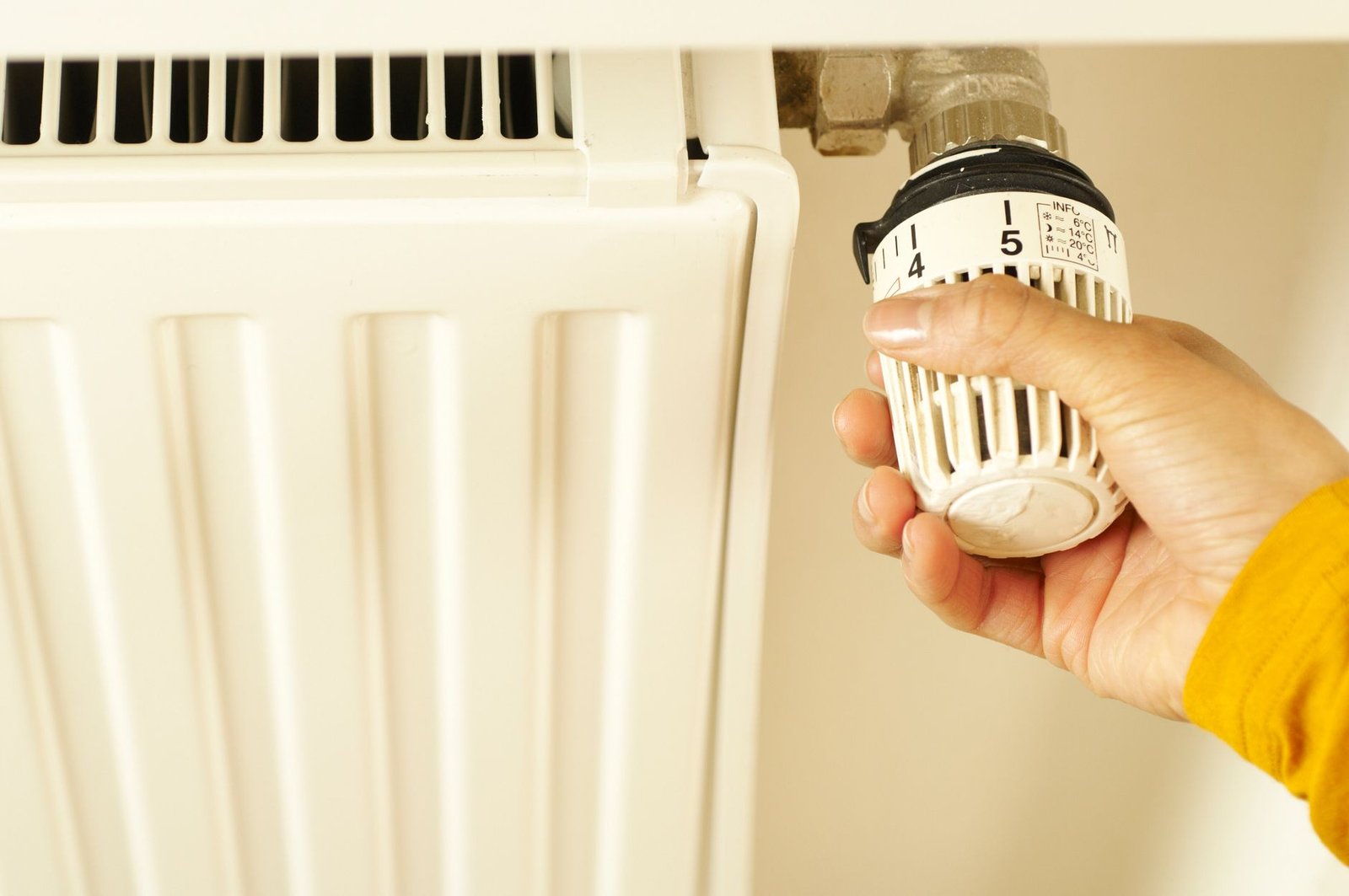
Traditional programmable thermostats remain a viable option for homeowners prioritizing simplicity and predictable energy management. These devices allow for the manual establishment of temperature schedules, typically differentiating between weekdays and weekends, or allowing for multiple daily set points. For a household with a highly consistent routine, this functionality can yield substantial energy savings compared to a purely manual thermostat, preventing unnecessary heating or cooling when the residence is unoccupied.
Energy Saving Potential and Limitations
The energy savings from a traditional programmable thermostat are directly contingent on the diligence and consistency of the homeowner’s scheduling. If the pre-set schedule aligns perfectly with the resident’s actual presence, energy waste can be significantly reduced. However, this model faces limitations in 2026’s dynamic lifestyle. Unexpected changes in a resident’s schedule, such as an early return or an unscheduled departure, necessitate manual override. Failure to adjust the thermostat in such instances negates potential savings, as the system continues to operate based on the fixed, now incorrect, schedule. There is no adaptability to real-time events, outdoor weather fluctuations, or the actual occupancy of specific rooms. This rigidity can lead to less-than-optimal energy use and a reduction in overall comfort when routines deviate from the norm.
User Experience
The user experience with traditional programmable thermostats is straightforward, often involving push-button interfaces and simple LCD screens. Programming can be a one-time setup that requires minimal ongoing interaction once established. For residents who prefer a ‘set it and forget it’ approach without relying on smartphone apps or advanced connectivity, this simplicity can be appealing, albeit with the inherent trade-off in dynamic adaptability.
Smart Thermostats in 2026: The Intelligent Edge
Smart thermostats represent a paradigm shift in home climate control, integrating advanced technology to offer unparalleled energy efficiency and personalized comfort. In 2026, these devices are no longer just about remote control; they are central to an intelligent home ecosystem.
Advanced Features and Energy Saving Potential
The core advantage of smart thermostats lies in their ability to dynamically adapt to real-time conditions, learning homeowner preferences, and optimizing energy use without constant manual intervention. Key features contributing to their superior energy saving potential include:
- Geofencing: Utilizes a resident’s smartphone location to determine when the home is empty or when residents are approaching, automatically adjusting temperatures to conserve energy or pre-condition the home for arrival. This eliminates energy waste when schedules are unpredictable.
- Occupancy Sensors: Some advanced models incorporate sensors to detect actual presence in rooms, focusing heating or cooling only where needed. This is particularly effective for multi-zone systems and larger homes.
- Learning Algorithms: Over time, smart thermostats learn the resident’s preferred temperatures, daily routines, and even the thermal characteristics of the home, then create an optimized schedule autonomously. This significantly reduces human error and maximizes efficiency.
- Weather Integration: Connects to local weather forecasts to anticipate heating or cooling needs, pre-heating or pre-cooling during off-peak energy times or adjusting set points based on outdoor temperatures and humidity.
- HVAC Monitoring & Predictive Maintenance: A significant trend in 2026, many smart thermostats now integrate with HVAC system diagnostics, monitoring performance, identifying potential issues before they become critical, and even providing alerts for filter changes or professional servicing. This ensures the HVAC system operates at peak efficiency, preventing costly breakdowns and maintaining optimal energy use.
- Seamless Smart Home Integration: With the widespread adoption of protocols like Matter and Thread, smart thermostats in 2026 seamlessly integrate with other smart home devices, from lighting and blinds to air quality monitors, creating a holistic and responsive environment. This allows for unified automation scenes that enhance comfort and reduce energy consumption across multiple systems.
- Renewable Energy Optimization: Emerging models can directly interface with home solar panels or battery storage systems, intelligently shifting energy usage to capitalize on self-generated power or off-peak utility rates, further reducing reliance on grid energy during peak demand.
The cumulative effect of these features is a significantly higher energy saving potential compared to traditional programmable models. Smart thermostats reduce unnecessary operation, adapt to lifestyle changes, and continually optimize for efficiency, often providing detailed energy reports to the homeowner, fostering greater awareness and control over consumption.
User Experience and Modern Material Developments
The user experience with smart thermostats is highly intuitive and convenient, primarily managed through dedicated smartphone applications, voice assistants (e.g., Siri, Alexa, Google Assistant), and sleek, often touch-sensitive displays on the device itself. This offers unparalleled flexibility and remote control. In terms of aesthetics and sustainability, 2026 sees smart thermostats designed with minimalist profiles, often incorporating recycled plastics, sustainable metals, and advanced, durable sensor materials for enhanced accuracy and longevity. The emphasis is on seamless integration into contemporary interior designs while minimizing environmental footprint.
Direct Comparison: Energy Savings and Beyond
Ease of Use and Installation
Traditional programmable thermostats are simpler to install and program manually. Smart thermostats, while generally easy for a tech-savvy individual, might require slightly more complex initial setup due to Wi-Fi connectivity, app pairing, and calibration. However, once installed, the daily interaction with a smart thermostat is often more effortless and intuitive through its automated features and remote control capabilities.
Upfront Cost vs. Long-Term Savings
The initial investment for a smart thermostat is typically higher than that for a traditional programmable model. However, the advanced energy-saving capabilities of smart thermostats often lead to a faster return on investment through reduced utility bills. For homeowners committed to long-term residency and energy optimization, the higher upfront cost is generally outweighed by cumulative savings.
Data and Insights
A key differentiator in 2026 is the data analytics offered by smart thermostats. They provide detailed reports on energy consumption, historical usage patterns, and potential savings, empowering residents with actionable insights to further optimize their energy use. Traditional models offer no such data, leaving residents without a clear understanding of their energy footprint.
Home Integration and Environmental Impact
Smart thermostats are integral to the broader smart home ecosystem, offering seamless integration with lighting, security systems, and other smart devices. This interconnectedness allows for comprehensive automation scenarios that boost both comfort and energy efficiency. From an environmental perspective, the superior optimization offered by smart thermostats contributes more significantly to reducing a home’s carbon footprint by minimizing wasted energy, aligning with global sustainability goals.
Conclusion
In 2026, for homeowners prioritizing maximum energy savings, dynamic adaptability, and integration with modern smart home technologies, the smart thermostat is the unequivocal choice. Its advanced features, including geofencing, learning algorithms, weather integration, and proactive HVAC monitoring, significantly outperform the fixed scheduling capabilities of traditional programmable thermostats in optimizing energy consumption. While traditional programmable models still offer foundational savings and a straightforward user experience for highly predictable routines, they lack the intelligence and flexibility required for peak efficiency in contemporary, often unpredictable, lifestyles.
For the resident seeking to truly future-proof their home’s climate control, embrace automation, and contribute to a more sustainable living environment while realizing substantial long-term cost savings, investing in a smart thermostat is the clear path forward. The continuous evolution of smart home technology ensures that these devices will only become more sophisticated and indispensable in the pursuit of domestic comfort and energy efficiency.