Too Much Shade? 8 Thriving Plants for Dark Backyards in 2026
A backyard cast in persistent shadow presents unique landscaping challenges, but it is far from a design dead end. In fact, numerous plants not only tolerate low-light conditions but truly flourish, creating lush, vibrant spaces where sun-lovers might falter. This guide for 2026 explores eight robust and beautiful plant options that thrive in the dark, transforming problem areas into serene garden sanctuaries.
Embracing the Shade: A 2026 Perspective
For too long, shade has been perceived as a limitation in garden design. However, the modern homeowner in 2026 recognizes shade as an opportunity for creating cool, tranquil retreats. Current trends in landscape architecture emphasize resilience, biodiversity, and sustainable practices. Designing with shade in mind aligns perfectly with these principles, fostering environments that require less water and offer unique aesthetic qualities. The focus has shifted from forcing sun-loving species into unsuitable environments to celebrating the unique beauty of shade-adapted flora.
Understanding Your Shady Microclimate
Before selecting plants, it is crucial to understand the specific type of shade present in the backyard. Dense shade occurs under thick tree canopies or on the north side of buildings, receiving virtually no direct sunlight. Partial shade indicates 2-4 hours of direct sun, often in the morning, or dappled light throughout the day. Dappled shade is filtered sunlight, typical under deciduous trees. Soil conditions are also paramount; shaded areas often retain more moisture but can also be subject to dry shade if beneath water-hungry trees. In 2026, many landscape professionals recommend advanced soil testing kits, often with app integration, to provide precise data on pH, nutrient levels, and moisture retention, guiding amendment choices like biochar-enriched compost for improved soil structure and water efficiency.
8 Thriving Plants That Love the Dark in 2026
Discovering plants that celebrate the shadows is key to a flourishing low-light garden. Here are eight exceptional choices for the contemporary homeowner:
-
1. Hosta (Hosta spp.)
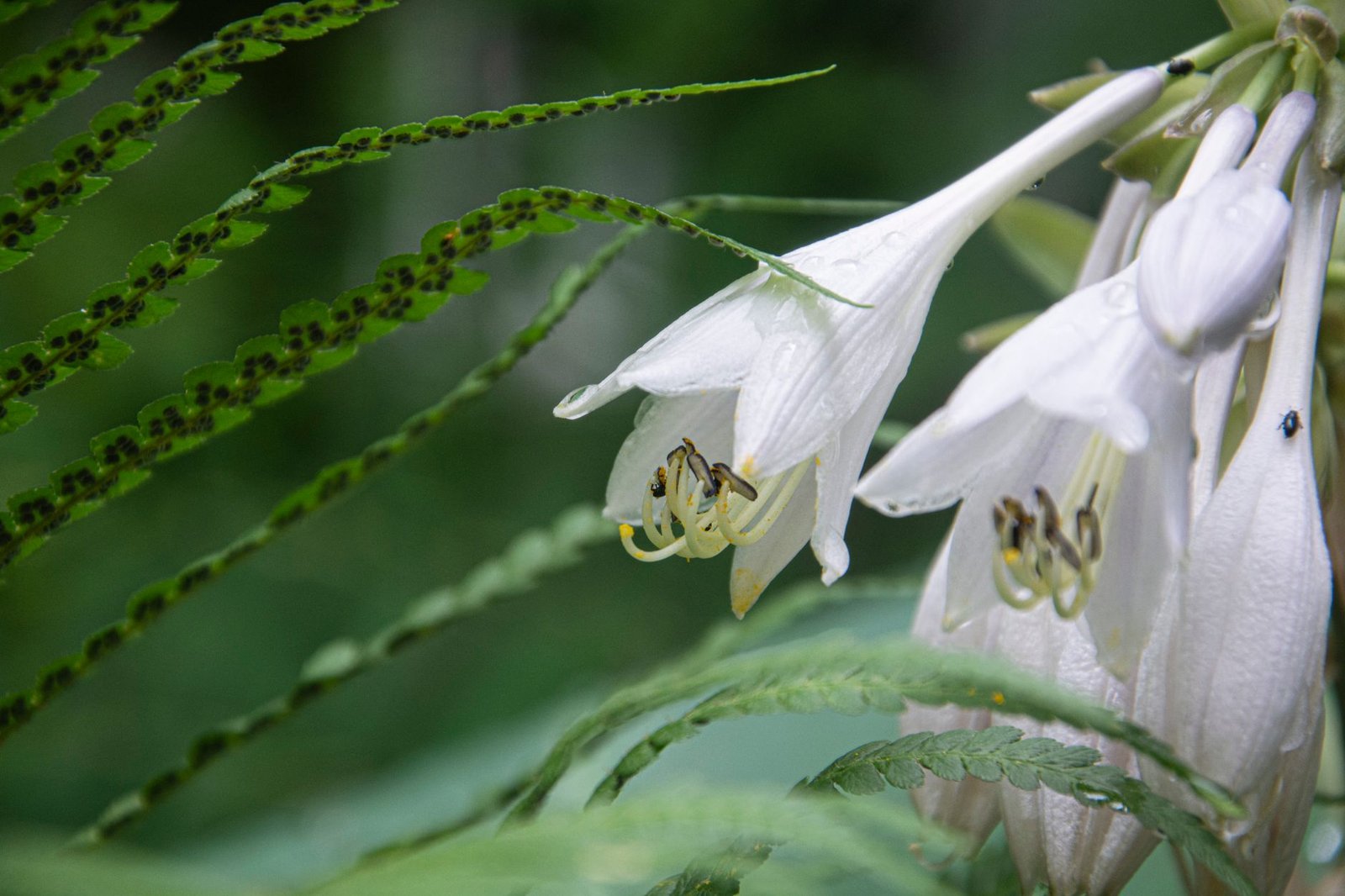
Hostas remain a cornerstone of shade gardening for their unparalleled foliage diversity. Available in an astonishing array of sizes, shapes, and colors—from tiny blue-leafed varieties to massive chartreuse and variegated specimens—Hostas provide texture and interest from spring until fall. They thrive in partial to full shade, preferring consistently moist, well-drained soil. New cultivars for 2026 continue to offer enhanced slug resistance and striking color combinations, making them a low-maintenance favorite. Their architectural forms complement modern hardscaping beautifully.
-
2. Astilbe (Astilbe spp.)
For residents seeking vibrant color in the shade, Astilbe is an excellent perennial choice. Known for its feathery plumes of red, pink, purple, or white flowers that emerge in summer, Astilbe adds a delicate texture and vertical interest. It prefers partial to full shade and consistently moist, rich soil. Drought stress can be detrimental, so proper irrigation or placement in naturally damp areas is crucial. Modern breeding focuses on more compact varieties suitable for urban gardens and those with extended bloom times.
-
3. Japanese Painted Fern (Athyrium niponicum ‘Pictum’)
This striking fern is celebrated for its intricate fronds displaying shades of silver, green, and burgundy, creating a truly unique visual effect. The Japanese Painted Fern brings a sophisticated elegance to the shade garden, providing delicate texture and cool tones. It flourishes in partial to full shade and prefers rich, moist, well-drained soil. It is relatively low-maintenance once established and pairs beautifully with solid green foliage plants, offering a stunning contrast in 2026’s textured garden designs.
-
4. Heuchera (Coral Bells, Heuchera spp.)
Heuchera, commonly known as Coral Bells, is a powerhouse of foliage color for the shade. Its ruffled or smooth leaves come in an incredible spectrum of hues—from lime green, amber, and peach to deep purple and nearly black. While they do produce dainty flower spikes, their primary appeal is their vibrant, evergreen or semi-evergreen foliage, providing year-round interest. Heuchera performs best in partial to full shade with well-drained soil. Newer varieties for 2026 are bred for increased heat and humidity tolerance, making them even more versatile.
-
5. Brunnera ‘Jack Frost’ (Brunnera macrophylla ‘Jack Frost’)
Brunnera ‘Jack Frost’ is revered for its heart-shaped leaves, which are heavily variegated with silvery overlays, giving them a frosted appearance. Delicate blue, forget-me-not-like flowers appear in spring, adding a touch of ethereal charm. This perennial is perfect for brightening up dark corners, thriving in partial to full shade and consistently moist soil. Its reflective foliage makes it an excellent choice for moon gardens or areas where evening light is limited, a design element gaining popularity in 2026.
-
6. Bleeding Heart (Dicentra spectabilis)
The classic Bleeding Heart offers charming, heart-shaped pink or white flowers dangling from arching stems in spring. This romantic perennial is a harbinger of warmer weather, providing a beautiful display before many other shade plants emerge. It thrives in partial to full shade and rich, moist, well-drained soil. While the foliage of the traditional variety may go dormant in summer heat, newer cultivars like ‘Luxuriant’ offer a more extended presence with finely cut, blue-green foliage.
-
7. Foamflower (Tiarella cordifolia)
A native North American plant, Foamflower is an excellent choice for groundcover in shaded woodland settings. It produces airy, foamy spikes of white or pale pink flowers in spring, hence its common name. Its semi-evergreen, lobed leaves often feature striking burgundy markings, providing consistent interest. Tiarella prefers partial to full shade and rich, moist, well-drained soil. Its ability to spread gently makes it ideal for naturalized plantings and for creating a living mulch, aligning with sustainable landscaping goals for 2026.
-
8. Liriope (Lilyturf, Liriope muscari)
Liriope is a remarkably versatile and hardy evergreen perennial grass-like plant, ideal for borders, edging, or mass plantings in challenging shady spots. Its dark green, strap-like foliage creates a clean, architectural line, and it produces spikes of lavender or white flowers in late summer, followed by black berries. Liriope tolerates a wide range of conditions, from partial sun to deep shade, and various soil types, including dry shade once established. Its low-maintenance nature and deer resistance make it a highly practical choice for resilient landscape design in 2026.
Modern Shady Landscape Design Principles for 2026
Creating a captivating shady garden goes beyond just selecting the right plants. Modern design principles for 2026 emphasize layering, texture, and integrated features. Layering involves planting taller specimens like small shade trees or large shrubs (e.g., Hydrangea, Rhododendron) in the background, medium-height perennials in the middle, and groundcovers or ferns at the front. This creates visual depth and interest. Texture is paramount in shade gardens, as the absence of abundant sunlight often means less reliance on vibrant floral displays. Focus on plants with varied leaf shapes, sizes, and surface qualities (glossy, matte, fuzzy, variegated). Integrating hardscaping elements such as meandering stone pathways, rustic benches, or subtle water features can enhance the tranquility of a shady retreat. Furthermore, 2026 sees an increased adoption of smart irrigation systems with soil moisture sensors, optimizing water usage and ensuring plants receive appropriate hydration without waste, crucial for the success of many moisture-loving shade plants.
Conclusion
Far from being an obstacle, a shaded backyard is an invitation to cultivate a unique and serene garden. By understanding the specific microclimates and selecting plants that are naturally adapted to low-light conditions, homeowners can create stunning, resilient landscapes. The eight plants highlighted for 2026 offer a diverse palette of foliage, texture, and seasonal interest, ensuring that even the darkest corners can become vibrant havens. Embracing these thriving shade-lovers allows for the creation of beautiful, low-maintenance, and ecologically sound outdoor spaces that truly celebrate the unique qualities of shadow and light.