
Cultivating a productive garden does not require extensive time or specialized expertise, particularly with the advancements available in 2026. This article outlines seven edible plants that offer substantial yields with minimal care, making them ideal for the busy homeowner or novice gardener aiming for a consistent supply of fresh produce.
The Evolution of Effortless Edibles in 2026
The landscape of domestic gardening in 2026 is characterized by a significant embrace of smart technology and sustainable practices. Modern residents seek efficiency and ecological responsibility in their outdoor and indoor spaces. Industry trends highlight the proliferation of IoT-enabled gardening solutions, from automated irrigation systems equipped with soil moisture sensors to integrated smart planters that monitor nutrient levels and light exposure. This technological integration drastically reduces the manual oversight traditionally associated with successful gardening.
Beyond digital aids, plant science has introduced numerous drought-resistant and disease-tolerant cultivars, further simplifying cultivation. Vertical gardening systems, including compact hydroponic and aeroponic units, have become more accessible and efficient, allowing for high-density planting in limited urban spaces. Sustainable material developments, such as biochar-enhanced soil amendments and advanced slow-release organic fertilizers, contribute to robust plant health with fewer interventions. The focus remains on maximizing output while minimizing resource consumption and human effort, aligning perfectly with the ethos of low-effort edible gardening.
Seven Stellar Low-Effort Edible Plants
1. Mint (Mentha spp.)
Mint is renowned for its vigorous growth and aromatic qualities, thriving with minimal attention once established. Its adaptability to various soil types and light conditions makes it a homeowner’s favorite. In 2026, the key to managing mint’s enthusiastic spread is effective containment, with self-watering containers featuring integrated root barriers or smart planters being recommended solutions. This ensures the plant provides a continuous supply for culinary uses and beverages without encroaching on other garden areas. Regular harvesting encourages bushier growth.
2. Radishes (Raphanus sativus)
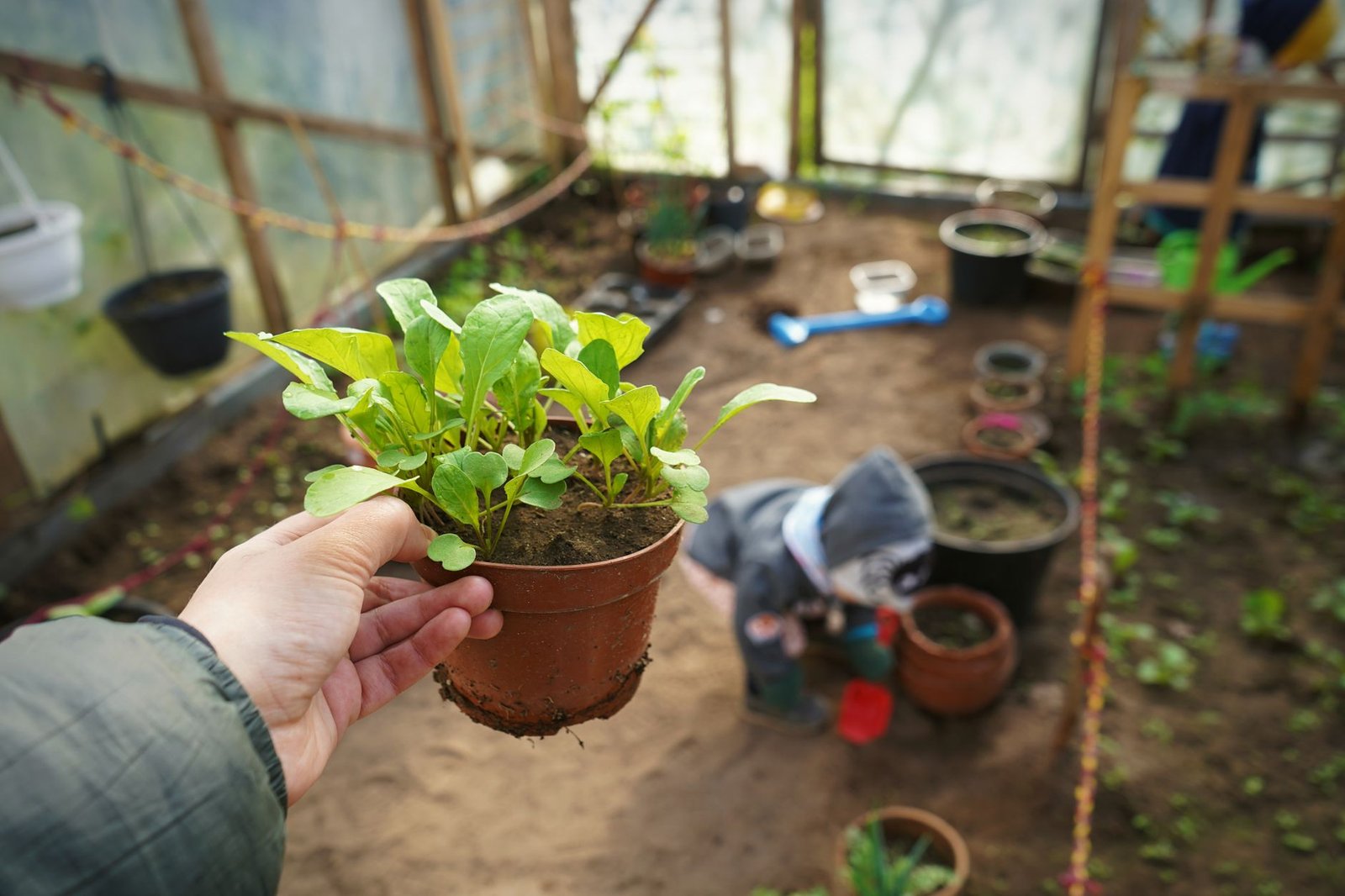
For those seeking rapid gratification, radishes are an excellent choice. These root vegetables mature from seed to harvest in as little as three to four weeks, offering almost instant returns on effort. Radishes require well-drained soil and consistent moisture, a need easily met by modern smart irrigation systems. The availability of pre-spaced seed tapes in 2026 simplifies planting, ensuring optimal spacing and reducing thinning requirements. Succession planting every couple of weeks can provide a continuous harvest throughout the growing season.
3. Bush Beans (Phaseolus vulgaris)
Bush beans are a highly productive and self-supporting crop, eliminating the need for complex trellising associated with pole beans. These plants are known for their nitrogen-fixing capabilities, which naturally enrich the soil. They produce an abundant harvest over several weeks, requiring ample sunlight and regular watering. In 2026, many new bush bean varieties boast enhanced drought resistance, making them a more water-efficient option for diverse climates. Elevated garden beds with integrated drip irrigation further optimize water delivery and plant health.
4. Cut-and-Come-Again Leaf Lettuce (Lactuca sativa)
Leaf lettuce varieties that permit ‘cut-and-come-again’ harvesting offer a continuous supply of fresh greens without replanting. The outer leaves are harvested, allowing the inner leaves to continue developing. These lettuces thrive in partial shade and are particularly well-suited for container gardening or integration into vertical garden walls. Automated nutrient film technique (NFT) systems, increasingly common in urban environments in 2026, provide an optimal, low-maintenance growing medium for these types of greens, ensuring consistent nutrient delivery.
5. Swiss Chard (Beta vulgaris subsp. cicla)
Swiss chard is a remarkably resilient and nutritious leafy green. It tolerates a broad spectrum of temperatures and soil conditions, making it a robust choice for nearly any garden. Similar to leaf lettuce, harvesting the outer leaves promotes ongoing production. Swiss chard is also notably resistant to many common garden pests and diseases. The market in 2026 offers new cultivars with enhanced disease resistance, further solidifying its status as a low-fuss edible with high nutritional value.
6. Determinate Cherry Tomatoes (Solanum lycopersicum)
Determinate, or bush-type, cherry tomato varieties are an excellent option for the low-effort garden. These plants produce a concentrated crop over a shorter period and then cease producing, requiring less pruning and staking compared to their indeterminate counterparts. They thrive in full sunlight and benefit from consistent watering, a task simplified by smart pots and self-regulating container systems now widely available. Their compact growth habit makes them ideal for containers or smaller garden plots, yielding sweet, abundant fruit with minimal intervention.
7. Rosemary (Salvia rosmarinus)
Rosemary is a perennial herb celebrated for its drought tolerance and aromatic qualities. Once established, it requires very little water, making it a perfect candidate for xeriscaping or dry garden zones. Thriving in full sun and well-drained soil, rosemary is a versatile culinary herb that provides year-round interest. Its hardiness and minimal care requirements align perfectly with 2026 landscaping trends that prioritize sustainable, low-maintenance planting designs, offering beauty and utility.
Optimizing the No-Fuss Garden in 2026
Smart Watering Solutions
The integration of Internet of Things (IoT) technology into garden irrigation systems is a hallmark of effortless gardening in 2026. Soil moisture sensors communicate with automated timers, delivering precise amounts of water only when needed. This not only conserves water but also eliminates the guesswork and manual labor of traditional watering, ensuring plants receive optimal hydration without oversaturation or drought stress. Such systems often integrate seamlessly with broader home automation platforms for centralized control.
Advanced Substrates and Nutrients
Modern gardening benefits significantly from innovations in growing media and plant nutrition. Biochar-enhanced soils provide superior water retention and aeration, fostering healthier root systems. Slow-release organic fertilizers, precisely formulated for sustained nutrient delivery, minimize the need for frequent feeding. For container gardening, specialized coco coir blends offer excellent drainage and moisture retention. Hydroponic systems, increasingly popular for indoor cultivation, leverage advanced nutrient solutions tailored for specific plant needs, delivered automatically.
Pest and Disease Management
Maintaining a low-effort garden also involves proactive and sustainable pest and disease management. The emphasis in 2026 is on prevention through selecting disease-resistant cultivars and employing biological controls, such as introducing beneficial insects. Organic neem oil derivatives and insecticidal soaps serve as effective, low-impact solutions for addressing pest outbreaks before they escalate, minimizing the need for intensive chemical interventions and supporting a healthy garden ecosystem.
Conclusion
Cultivating a thriving garden filled with fresh, edible produce is an achievable goal for any resident, regardless of their gardening experience or available time. By selecting these seven low-effort plants and leveraging the intelligent gardening innovations of 2026, the homeowner can enjoy a consistent, bountiful harvest. The combination of resilient plant varieties, smart technology, and sustainable practices ensures that a verdant, productive garden is a source of joy and nourishment, not a burden.