
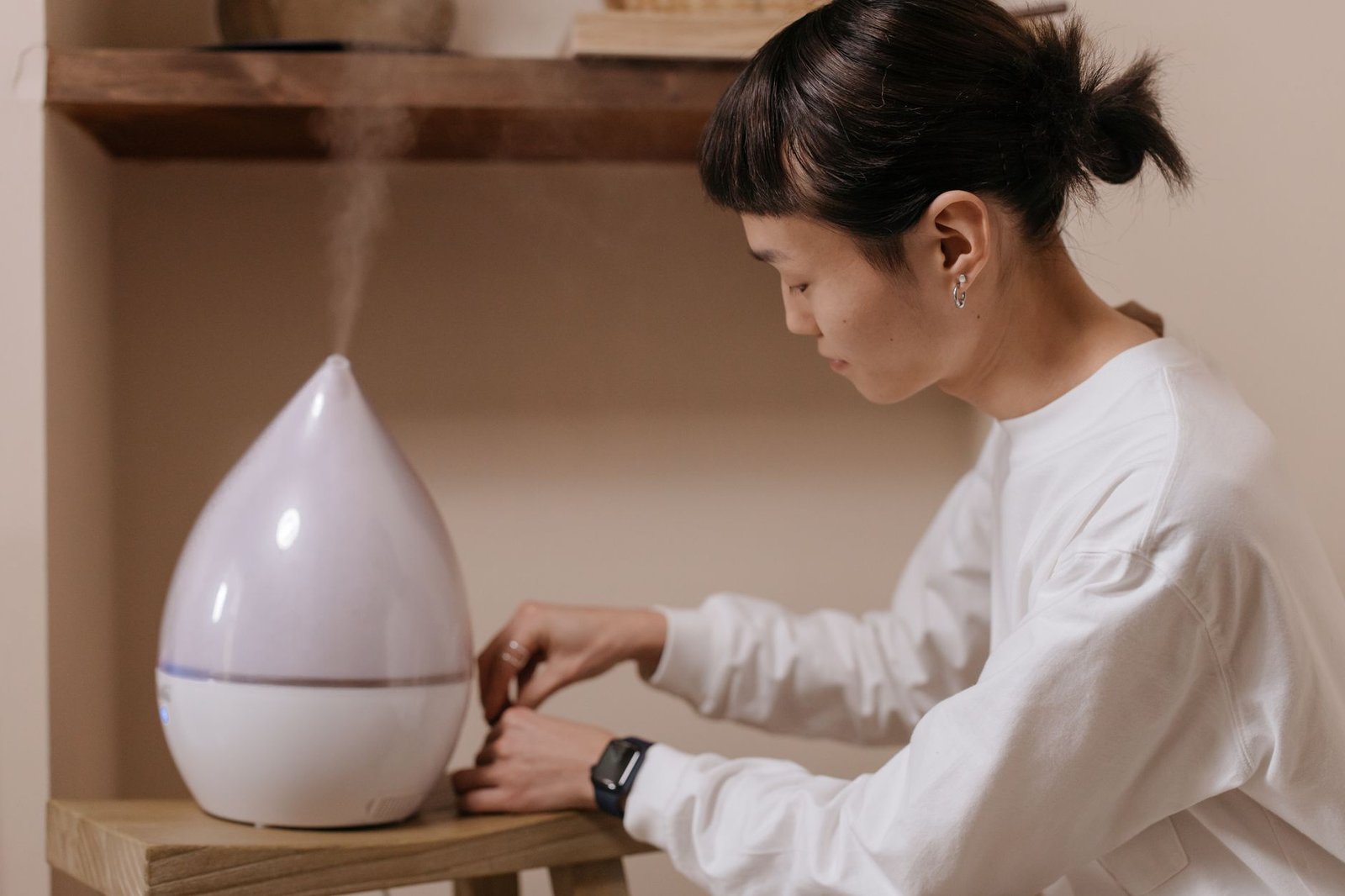
Maintaining optimal indoor humidity is crucial for both occupant health and the longevity of interior furnishings. As 2026 ushers in a heightened focus on sustainable living and biophilic design, many homeowners are seeking effective, natural alternatives to electronic humidifiers. Fortunately, several simple, humidifier-free methods can significantly enhance indoor humidity levels, integrating seamlessly into modern home environments.
The Importance of Optimal Indoor Humidity in 2026
Ideal indoor humidity typically ranges between 30% and 50%. When air becomes excessively dry, residents may experience dry skin, irritated respiratory passages, and static electricity. Furthermore, dry conditions can adversely affect wooden furniture, flooring, and even musical instruments, leading to cracking or warping. In 2026, with an increasing understanding of holistic home wellness and the prevalence of sophisticated indoor air quality monitors, regulating humidity has become a key component of a comfortable and healthy living space. The emphasis is shifting towards passive, energy-efficient solutions that align with contemporary eco-conscious values.
Embracing Biophilic Design for Humidity Regulation
1. Harnessing the Power of Houseplants
Houseplants are more than just aesthetic additions; they are living humidifiers through a process called transpiration. Water absorbed by plant roots is released into the air as vapor through their leaves. To maximize this effect, the resident can group plants together, creating a localized microclimate. Plants known for their high transpiration rates include the Boston Fern, Areca Palm, Spider Plant, and Peace Lily. Utilizing pebble trays filled with water beneath plant pots (ensuring pots are above the water level) can further increase ambient moisture. Modern plant care in 2026 often involves smart planters with integrated moisture sensors, ensuring plants are optimally watered for both their health and humidity contribution.
2. Strategic Indoor Drying of Laundry
Drying laundry indoors on a rack or line is an excellent way to introduce moisture into a dry environment. As water evaporates from wet clothes, it diffuses into the surrounding air. This method is particularly effective during colder months when central heating systems tend to dry out indoor air. The homeowner can place drying racks in well-ventilated areas of the home, such as a laundry room or a spare bedroom, avoiding spaces where excessive moisture could lead to condensation issues. This practice also aligns with 2026’s sustainable living trends by reducing reliance on energy-intensive tumble dryers.
Water-Based Evaporation and Daily Routines
3. Incorporating Decorative Water Features
Small indoor water features, such as tabletop fountains or self-contained waterfalls, offer both aesthetic appeal and a continuous source of ambient humidity. The gentle circulation of water exposes a larger surface area to the air, facilitating evaporation. For 2026, homeowners often prefer minimalist, low-maintenance designs constructed from natural or recycled materials like porous ceramics, which can themselves contribute to surface area for evaporation. Regular cleaning is essential to prevent mold or mildew growth, ensuring these features remain beneficial.
4. Leveraging Kitchen Activities
Everyday cooking activities can be significant contributors to indoor humidity. Boiling water for pasta, simmering soups, or even baking can release substantial amounts of steam into the home environment. To maximize this effect, the resident can consider leaving pot lids slightly ajar or allowing pasta water to boil uncovered for longer periods. Utilizing stovetop kettles for hot beverages also adds moisture. In 2026, with advanced ventilation systems in kitchens, it is important for the resident to manually control or override automatic fan settings when aiming to retain humidity from cooking.
5. Maximizing Post-Shower Steam
The steam generated from a hot shower or bath is a potent source of humidity. Instead of immediately venting all the steam outdoors, the homeowner can strategically leave the bathroom door open for a period after bathing. This allows the warm, moist air to circulate into adjacent rooms. Caution should be exercised to ensure that surfaces in the bathroom can adequately dry, preventing mold growth, especially with the prevalence of advanced moisture-resistant bathroom materials and smart ventilation systems designed to manage humidity levels effectively in 2026.
Passive Evaporation and Architectural Considerations
6. Utilizing Open Containers of Water
Placing open bowls, vases, or decorative containers of water around the home provides a simple, continuous source of evaporation. This method can be enhanced by positioning these containers near heat sources like radiators (though not directly on them to avoid damage) or in sunny windowsills, which accelerate the evaporation process. Adding decorative elements like polished stones or floating candles can make these humidity sources visually appealing. New for 2026, designers are exploring unglazed terracotta or specialized porous ceramic vessels that inherently have a larger surface area for water to evaporate from, improving efficiency.
7. Strategic Ventilation and Air Flow Management
While often associated with removing humidity, strategic ventilation can also be used to manage it. On days when outdoor humidity is higher than indoors (e.g., after rain or during specific seasonal shifts), briefly opening windows can allow moist air to enter. Conversely, managing indoor air circulation with ceiling fans set to a low speed can help distribute existing moisture more evenly throughout the space. Modern homes in 2026 frequently feature sophisticated energy recovery ventilators (ERVs) that can exchange indoor air with outdoor air while retaining a significant portion of indoor humidity, offering a controlled approach to air quality and moisture balance.
Maintaining Balance and Monitoring
While boosting indoor humidity naturally, it is vital to maintain balance. Excessive humidity (above 60%) can foster mold growth, dust mites, and discomfort. The use of an accurate hygrometer is highly recommended for monitoring indoor humidity levels. In 2026, many smart home systems integrate advanced air quality sensors that provide real-time humidity data, allowing the resident to make informed adjustments to their natural humidification strategies. By combining these natural methods with mindful monitoring, any homeowner can achieve a comfortable and healthy indoor climate without relying on electronic humidifiers.