
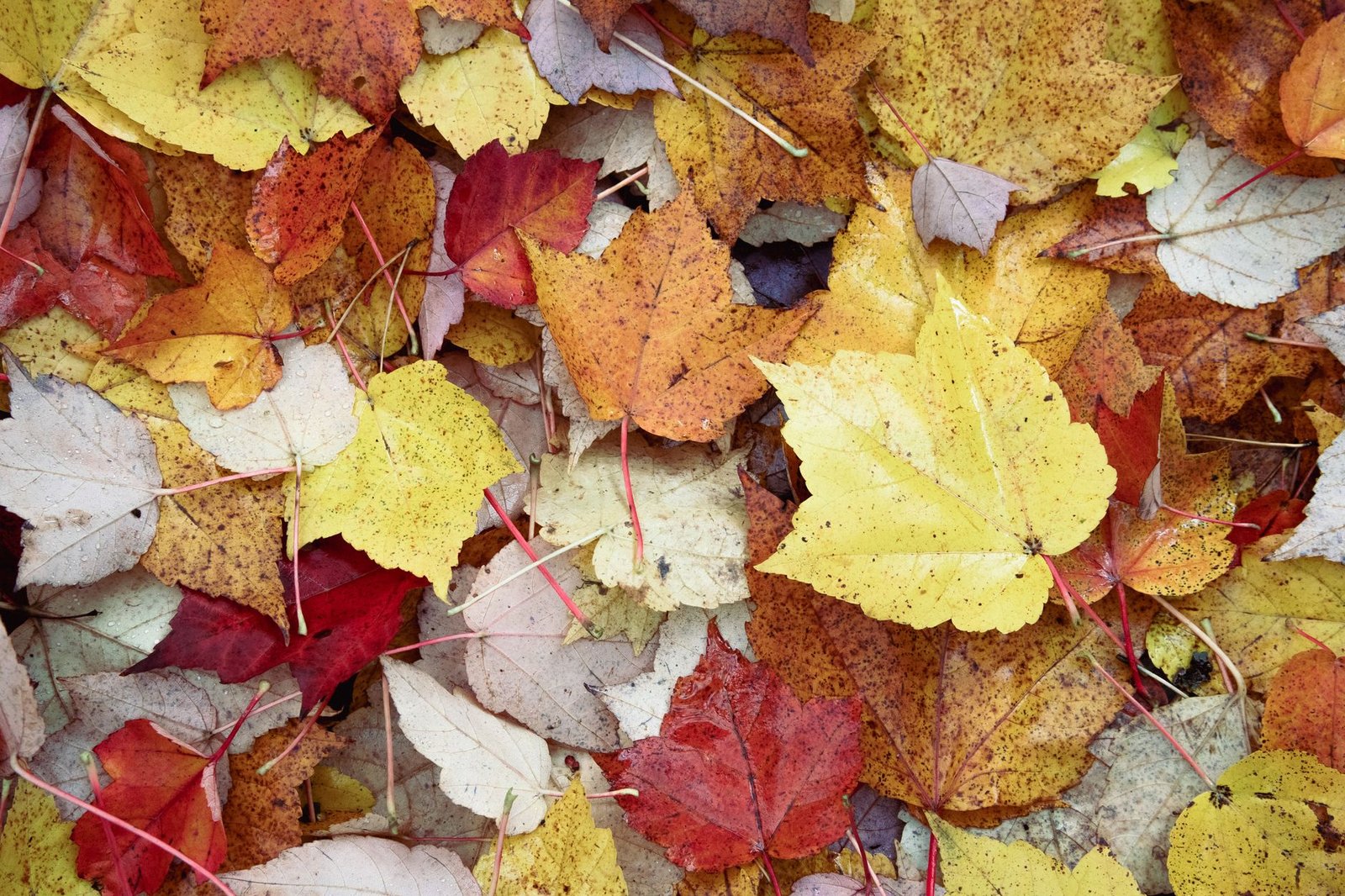
Fallen leaves, often viewed as garden waste or simply raw material for the compost heap, offer an unexpected wealth of utility for the discerning homeowner in 2026. Far beyond traditional composting, these autumnal offerings can be transformed into valuable resources that enhance garden health, support local ecosystems, and even contribute to innovative domestic applications. This article explores eight resourceful and eco-friendly strategies for utilizing fallen leaves, embracing modern sustainable practices and material developments.
Embracing Ecological Enrichment and Soil Health
The annual bounty of fallen leaves presents a prime opportunity for residents to significantly boost their garden’s vitality and overall ecological resilience. Moving beyond basic decomposition, advanced applications leverage the inherent qualities of leaf litter for superior soil amendment and environmental benefits.
1. Premium Leaf Mold Production
While often grouped with compost, leaf mold is a distinct and superior soil conditioner. Created by the fungal decomposition of leaves over 1-2 years, this humus-rich material dramatically improves soil structure, water retention, and microbial activity. Modern shredders, often integrated with smart garden systems in 2026, can accelerate this process by finely chopping leaves, increasing surface area for fungal colonization. The resulting leaf mold is ideal for enriching perennial beds, vegetable patches, and potting mixes, offering a slow-release nutrient boost and enhancing root development.
2. Eco-Friendly Garden Mulch
Shredded fallen leaves serve as an exceptional organic mulch for garden beds and pathways. When applied at a depth of 2-4 inches, this mulch effectively suppresses weeds by blocking sunlight, conserves soil moisture, and moderates soil temperature fluctuations. For 2026, smart garden sensors can advise on optimal mulch depths and reapplication schedules, ensuring maximum efficiency. The gradual decomposition of leaf mulch also continuously feeds beneficial soil organisms, contributing to long-term soil fertility and reducing the need for synthetic fertilizers.
3. Natural Winter Protection for Plants
Fallen leaves provide invaluable natural insulation for tender perennials, shrubs, and container plants during colder months. A thick layer of leaves around plant bases or over delicate roots protects them from harsh freezes and thaws. For container gardens, surrounding pots with bags of leaves or creating a leaf-filled cage around them offers a cost-effective and highly efficient thermal barrier. This method aligns with 2026’s emphasis on sustainable frost protection, minimizing reliance on non-renewable materials.
Innovative Uses for Home and Landscape
Beyond direct garden applications, fallen leaves can be repurposed in inventive ways around the home and landscape, reflecting contemporary trends in biomaterials and circular economy principles.
4. DIY Biodegradable Planters
A significant trend in 2026 is the reduction of plastic waste in horticulture. Compressed leaf material can be formed into sturdy, biodegradable seed-starting pots or temporary plant containers. Homeowners can use simple presses or even specialized tools to create these eco-friendly alternatives. Once seedlings are ready for transplanting, the entire pot can be placed directly into the soil, decomposing naturally and providing nutrients, thus eliminating transplant shock and plastic waste.
5. Enriching Wildlife Habitats
Fallen leaves are a critical component of healthy ecosystems, providing shelter and food for a myriad of beneficial wildlife. Creating small leaf piles or leaving undisturbed leaf litter in designated garden areas offers essential overwintering sites for pollinators like native bees, beneficial insects, and small mammals. This practice supports local biodiversity, contributes to natural pest control, and aligns with broader ecological restoration efforts promoted in modern landscape design.
6. Organic Soil Amendment & Cover Cropping Support
Integrating shredded leaves directly into no-dig garden beds or alongside cover crops significantly enhances soil organic matter and microbial diversity. As a ‘green carbon’ source, leaves balance nitrogen-rich cover crops like clover or vetch, facilitating a more balanced decomposition process. This method helps sequester carbon in the soil, improves aeration, and supports a robust soil food web, which is fundamental to regenerative gardening practices for 2026.
Advanced Applications and Creative Reimagining
The future of fallen leaf utilization extends to more sophisticated applications, driven by advancements in material science and a global push for sustainable resources.
7. Natural Art & Dye Applications
Beyond traditional children’s crafts, fallen leaves offer sophisticated artistic potential. Leaves can be used for ‘eco-printing’ or botanical contact printing on natural fabrics (like cotton, linen, or silk), yielding unique and sustainable textile designs. Furthermore, specific leaf varieties can be processed to extract natural pigments for eco-friendly paints and dyes, catering to a growing demand for sustainable art materials and artisanal crafts in 2026’s design landscape.
8. Innovative Leaf-Based Construction/Design Elements
Emerging biomaterial trends for 2026 include the development of processed leaf composites. Researchers are exploring methods to bind shredded leaves into panels for temporary garden structures, acoustic dampening in outdoor living spaces, or even as decorative, sustainable indoor elements. These advancements offer a glimpse into a future where autumnal biomass is not merely composted but re-engineered into functional and aesthetically pleasing building and design components, embodying the circular economy ideal.
Conclusion: A Resource, Not Waste
Fallen leaves are far more than garden debris; they are a versatile and renewable resource with extensive applications for the modern homeowner. By adopting these eight creative strategies—from enriching soil health and supporting wildlife to contributing to innovative design and material solutions—residents can embrace sustainable practices that benefit both their property and the wider environment. In 2026, the careful stewardship of these natural resources represents a significant step towards a more sustainable and ecologically integrated home and garden.