
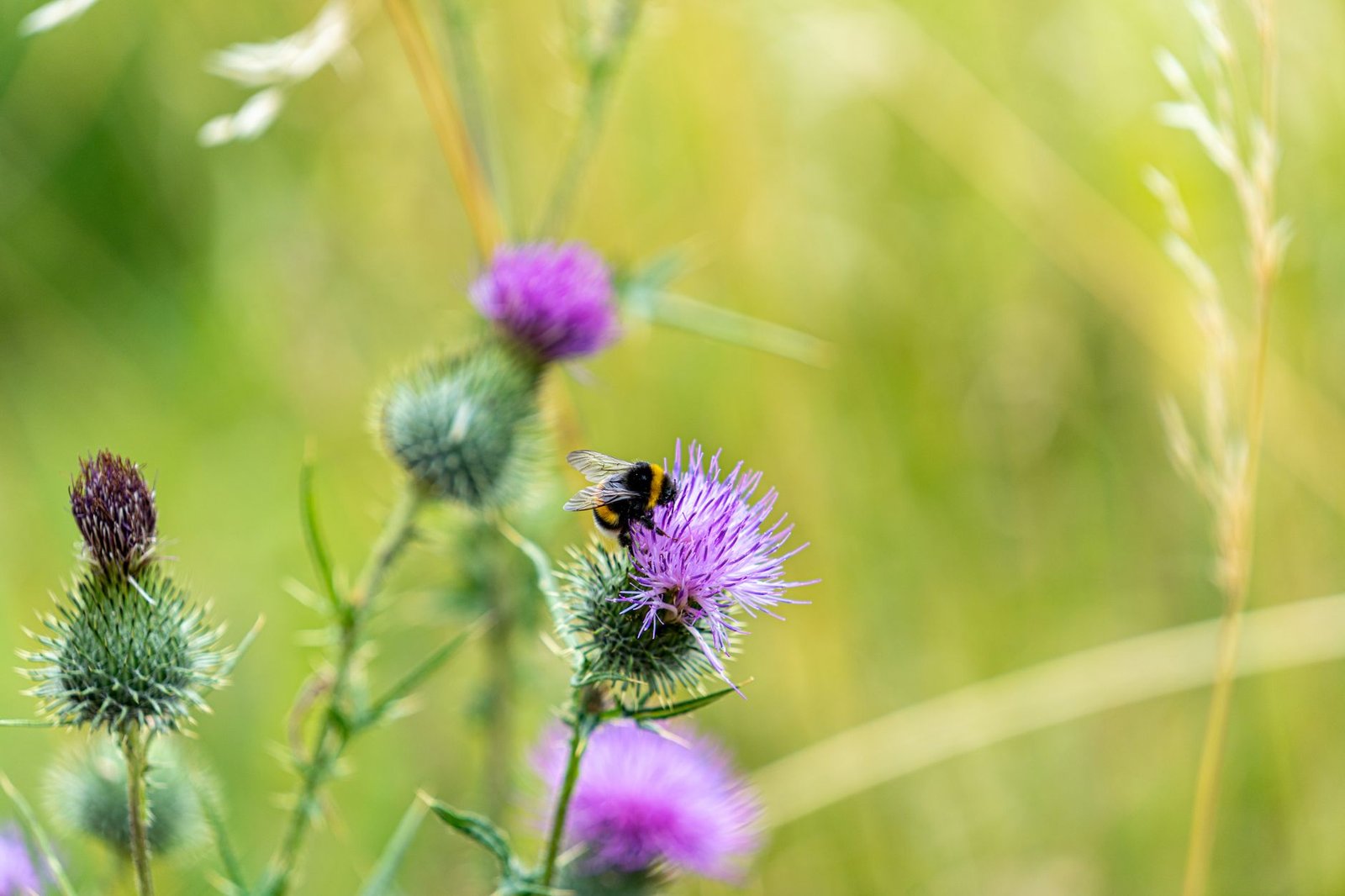
Maintaining a pristine garden without compromising the safety of beloved pets or the vitality of essential pollinators is a priority for many homeowners in 2026. This guide details eight highly effective, natural, and environmentally responsible weed control methods designed to protect both domestic animals and beneficial insects, ensuring a harmonious outdoor space. The adoption of these strategies allows for robust garden health while upholding ecological stewardship.
The Imperative of Pet-Safe and Pollinator-Friendly Weed Control
The landscape of garden maintenance continues to evolve, with a significant shift towards sustainable practices. Traditional chemical herbicides, while effective at eliminating unwanted vegetation, often pose risks to pets, local wildlife, and the crucial pollinator populations that underpin healthy ecosystems. As awareness grows regarding biodiversity preservation and household safety, residents are increasingly seeking alternative solutions that align with modern environmental values. The year 2026 sees a heightened demand for methods that integrate seamlessly into a holistic approach to garden and landscape management, prioritizing safety without sacrificing efficacy. Understanding these environmentally conscious options empowers the homeowner to make informed choices for a thriving, safe landscape.
Eight Eco-Friendly Weed Control Solutions for 2026
1. Manual Removal and Precision Tools
The most direct and timeless method for weed control involves physically pulling weeds from the soil. This technique guarantees complete removal of the weed, root and all, preventing regrowth. For effective manual weeding, the soil should be moist, making it easier to extract roots intact. Modern ergonomic weeding tools, such as stand-up weeders that eliminate bending, specialized weeding forks, and Japanese Hori-Hori knives, significantly reduce physical strain and increase efficiency. For larger properties, advancements in AI-powered robotic weeders offer automated, chemical-free solutions in 2026, selectively identifying and removing individual weeds with minimal soil disruption and virtually no human effort. This method ensures zero chemical exposure, making it unequivocally safe for pets and pollinators.
2. Horticultural Vinegar (High-Concentration Acetic Acid)
Horticultural vinegar, which contains a higher concentration of acetic acid (typically 10-20%) than common household vinegar, desiccates plant tissue on contact. It works by drawing moisture out of the weed, causing it to wilt and die within hours or days. For best results, it should be applied on a hot, sunny day when the weed is actively growing. In 2026, specialized horticultural vinegar formulations often include natural surfactants for better adherence to plant surfaces and enhanced efficacy. Users should always seek products clearly labeled for horticultural use and utilize precision applicators to minimize drift onto desirable plants. While potent, it is biodegradable and non-toxic once dried. Direct contact should be avoided by pets until the treated area is dry, but it poses no long-term threat to animals or pollinators if applied judiciously away from flowering plants.
3. Boiling Water
Pouring scalding hot water directly onto weeds instantly damages their cellular structure, leading to rapid wilting and death. This simple yet highly effective method requires no special equipment beyond a kettle. Boiling water is particularly useful for weeds growing in cracks in pavement, driveways, or paths where soil health is not a primary concern, as it leaves no residue. It’s a cost-effective and immediate solution for localized weed issues. While there are no new material developments for this method in 2026, its fundamental efficacy and simplicity ensure its continued relevance. It is completely harmless to pets and pollinators once the water has cooled, though caution is essential during application to prevent burns to the user or bystanders.
4. Corn Gluten Meal (Pre-Emergent)
Derived from corn, corn gluten meal is a natural byproduct that acts as a pre-emergent weed control. When applied to the soil, it releases peptides that inhibit the root formation of germinating seeds, preventing them from establishing. It is particularly effective against annual weeds like crabgrass, dandelions, and clover. Optimal application times are in the fall and early spring, before weed seeds have a chance to sprout. In 2026, enhanced corn gluten meal formulations offer slow-release properties, extending their effectiveness over a longer period. An added benefit is its natural nitrogen content, which acts as a gentle fertilizer for established plants, promoting healthy lawn and garden growth. As a naturally occurring, edible substance, it is completely safe for pets, wildlife, and does not affect established plants, making it highly pollinator-friendly.
5. Mulching (Organic and Smart Mulches)
Applying a generous layer of organic mulch—such as wood chips, straw, shredded leaves, or compost—is an excellent long-term strategy for weed suppression. Mulch works by blocking sunlight from reaching weed seeds and emerging seedlings, effectively smothering them. Beyond weed control, mulch helps retain soil moisture, regulate soil temperature, and, as it decomposes, enriches the soil with organic matter. A layer of 2-4 inches is typically recommended for optimal weed suppression. In 2026, the proliferation of biodegradable smart mulches, sometimes infused with beneficial microbes or slow-release nutrients, offers advanced weed suppression capabilities and accelerated soil improvement. Mulching provides a safe, natural habitat for beneficial soil organisms and poses no threat whatsoever to pets or pollinators, often enhancing the overall ecosystem.
6. Salt-Based Solutions (Targeted Application)
While generally discouraged for widespread garden use due to its impact on soil salinity, very targeted applications of household salt (sodium chloride) or specialized mineral salts can desiccate stubborn weeds in non-vegetated areas. This method is best reserved for weeds in patio cracks, gravel paths, or other hardscapes where soil sterility is acceptable and desired. Modern approaches in 2026 emphasize ultra-precision application tools to prevent runoff and widespread soil salinization. Some commercially available ‘natural’ weed killers now incorporate mineral salts in encapsulated or buffered forms to minimize environmental footprint, but extreme caution remains paramount. When completely dry and used sparingly in non-garden areas, salt can be safe for pets and pollinators. However, overuse will sterilize soil, harming desirable plants and the ecosystem.
7. Flame Weeding
Flame weeding involves using a controlled burst of heat from a propane torch to quickly heat weeds. The goal is not to burn the weed to ash, but to rupture its cell walls through rapid temperature change, causing it to wilt and die within a day or two. This method is highly effective for annual weeds and smaller perennials, particularly on driveways, gravel paths, or in rows before crop emergence. Contemporary flame weeders in 2026 feature enhanced safety mechanisms, including improved ignitions, ergonomic designs, and better fuel efficiency, making them safer and easier for the homeowner to operate. There are no residual chemicals, and pets and pollinators should simply be kept away during operation. The treated area is immediately safe afterward.
8. Strategic Planting (Cover Crops & Companion Planting)
Utilizing specific plants to naturally outcompete weeds or deter their growth is a highly ecological approach. Cover crops, such as clover, buckwheat, or rye, are planted to smother weeds by densely covering the soil, simultaneously enriching it with organic matter and improving its structure. When tilled into the soil, they act as green manure. Companion planting involves pairing certain plants that release compounds that inhibit weed seed germination or growth. For instance, some varieties of marigolds can help suppress specific weed species. Research into allelopathic plants (those releasing natural herbicides) has expanded in 2026, offering more options for natural weed suppression. This method enhances biodiversity, provides habitat, and is inherently safe and beneficial for pollinators and other wildlife, fostering a robust and resilient garden ecosystem.
Modern Trends and Best Practices for 2026
The contemporary approach to weed management in 2026 is characterized by integration and innovation. Beyond specific products, the homeowner is encouraged to adopt a holistic garden strategy:
- Soil Health First: A robust soil ecosystem, nurtured with compost and proper amendments, naturally suppresses weed growth by fostering strong desirable plants that can outcompete invaders.
- Precision Application: The development of smart sprayers and targeted tools minimizes waste and off-target damage when applying natural herbicides like vinegar solutions, ensuring efficacy where it’s needed most.
- Integrated Pest Management (IPM) Principles: Combining multiple strategies – from manual removal and mulching to selecting resistant plant varieties and biological controls – offers the most sustainable and effective long-term weed control.
- Automated Solutions: For larger landscapes, AI-driven robotic solutions that identify and remove individual weeds are becoming more accessible, representing a significant leap in labor-saving, chemical-free gardening.
- Biodegradable Materials: The preference for mulches and weed barriers made from rapidly decomposing, natural materials reduces environmental impact and contributes to soil health.
The focus remains on prevention and early intervention, reducing the need for intensive remedial actions. Understanding the life cycle of common weeds in a specific region also empowers the resident to choose the most effective intervention at the optimal time.
Conclusion
Creating and maintaining a beautiful, healthy garden in 2026 does not necessitate compromise when it comes to environmental responsibility or the safety of pets and pollinators. By embracing these eight eco-friendly weed control methods, homeowners can cultivate thriving outdoor spaces that are free from unwanted vegetation, yet remain sanctuaries for beneficial wildlife and safe havens for family pets. The conscious choice of natural solutions contributes to a healthier local ecosystem and a more sustainable global environment for generations to come, embodying the principles of responsible domestic comfort and landscape stewardship.