Introduction: Addressing Rapid Soil Drying
Rapidly drying garden soil presents a persistent challenge for domestic landscapes, impacting plant vitality and increasing water consumption. This common issue, often exacerbated by evolving climatic conditions and inconsistent precipitation patterns, can lead to stressed plants, reduced yields, and increased maintenance demands. Fortunately, a combination of innovative strategies and modern material developments for 2026 offers effective solutions. By implementing the seven water retention hacks detailed herein, significant improvements in soil moisture management can be achieved, fostering more resilient and vibrant garden ecosystems.
Understanding the Root Cause: Why Soil Dries Quickly
To effectively combat quick soil desiccation, an understanding of its underlying causes is essential. Factors contributing to rapid drying include poor soil structure—specifically, an imbalance of sand, silt, and clay particles leading to excessive drainage or compaction. A prevalent issue is the lack of sufficient organic matter, which is crucial for binding soil particles and creating a porous yet water-retentive environment. Additionally, high evaporation rates, especially in exposed areas, and inefficient watering practices contribute significantly to moisture loss. Addressing these fundamental issues forms the basis for long-term soil health and hydration.
The 7 Water Retention Hacks for 2026
Hack 1: Optimize Soil Structure with Organic Matter
The cornerstone of water-retentive soil is a rich supply of organic matter. Incorporating materials like well-rotted compost, aged manure, and leaf mold profoundly improves soil tilth, aeration, and its capacity to hold moisture. Organic matter acts like a sponge, absorbing water and releasing it slowly to plant roots. For 2026, the focus is on advanced composting techniques producing highly stable humus and specialized microbial inoculants that accelerate nutrient cycling and enhance soil aggregate stability, offering superior water management benefits. Regular top-dressing and gentle incorporation are key practices for sustained improvement.
Hack 2: Deploy Advanced Mulching Techniques
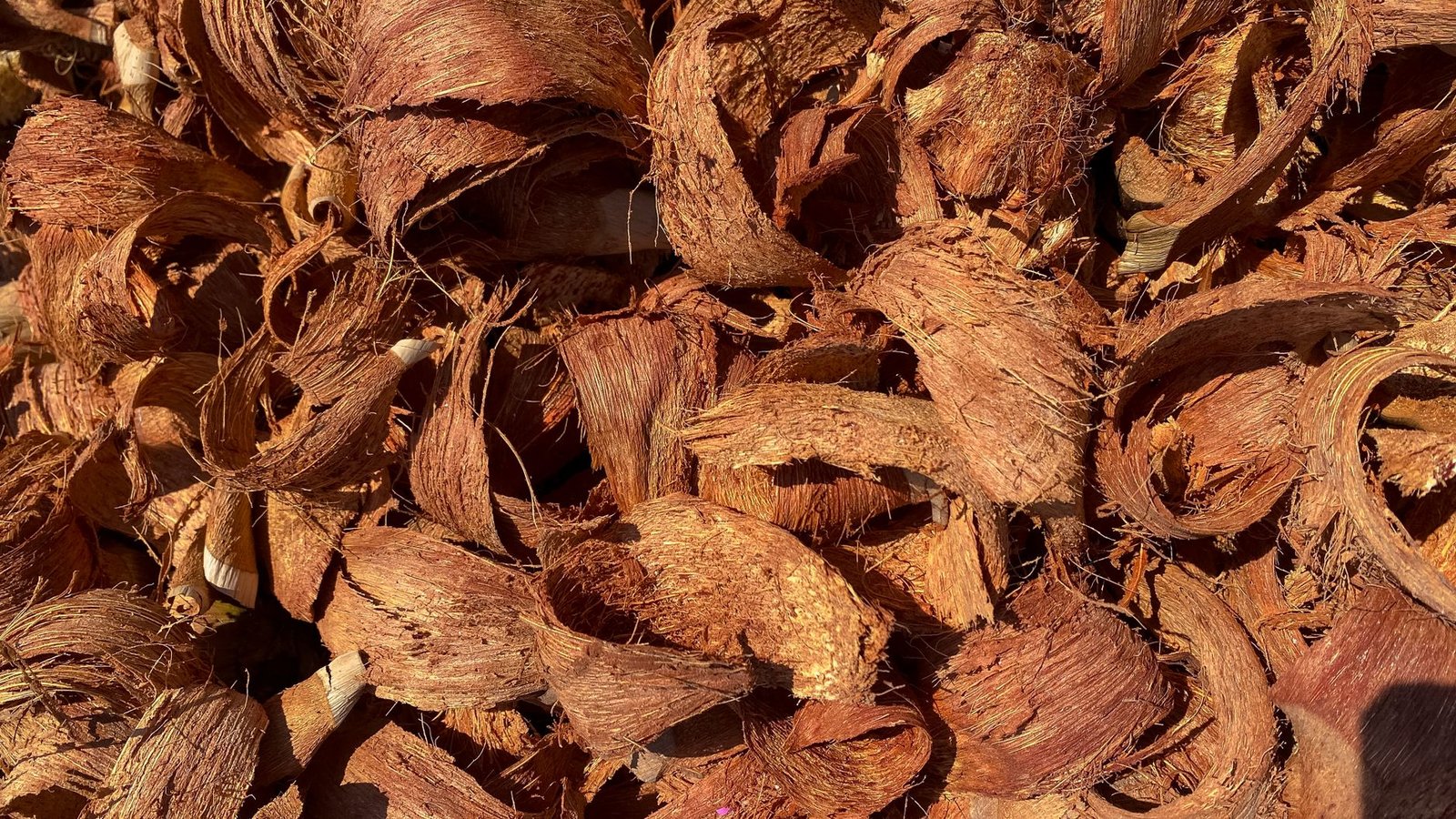
Mulching is a time-tested strategy for conserving soil moisture, but modern approaches offer enhanced benefits. A 2-4 inch layer of organic mulch—such as wood chips, shredded bark, straw, or pine needles—significantly reduces evaporation, moderates soil temperature, and suppresses weed growth. In 2026, engineered wood fiber mulches with extended decomposition rates and specialized blends designed for specific plant types are gaining prominence. Additionally, the strategic use of living mulches (groundcover plants) or even inorganic options like river rocks in drought-tolerant zones provides excellent soil protection while adding aesthetic value.
Hack 3: Integrate Hydrogels and Water-Retaining Polymers
For areas requiring exceptional water retention, the responsible application of hydrogels and water-retaining polymers has evolved. Modern formulations for 2026 emphasize biodegradable and eco-friendly polymers that absorb hundreds of times their weight in water, releasing it slowly over time. These are particularly beneficial in containers, raised beds, or sandy soils where moisture retention is a significant challenge. Careful selection of products certified for environmental safety and adherence to application guidelines are paramount to leverage their benefits without ecological compromise.
Hack 4: Strategic Planting and Companion Cultivation
Thoughtful garden design can significantly impact water usage. Implementing hydrozoning—grouping plants with similar water requirements—ensures efficient irrigation. Prioritizing native and drought-tolerant plant species naturally reduces the demand for supplemental watering. Furthermore, companion planting, where plants are strategically placed to benefit each other, can play a role. Taller plants can provide shade for sensitive, shallower-rooted companions, minimizing direct sun exposure to the soil and reducing evaporative loss. This integrated approach creates a resilient and naturally water-efficient landscape.
Hack 5: Implement Smart Irrigation Systems
Precision watering is a hallmark of sustainable gardening in 2026. Smart irrigation systems, equipped with soil moisture sensors, hyper-local weather data integration, and predictive analytics, deliver water exactly when and where it is needed. Subsurface drip irrigation, which delivers water directly to the root zone, minimizes evaporation and runoff, ensuring maximum water absorption. These systems can be programmed and monitored remotely, providing homeowners with unparalleled control and efficiency in water management, significantly reducing overall water consumption.
Hack 6: Utilize Soil Conditioners and Biochar Innovations
Beyond basic organic matter, specialized soil conditioners and biochar offer advanced solutions. Biochar, a highly porous charcoal, acts as a permanent soil amendment, dramatically enhancing water retention, nutrient availability, and microbial activity. 2026 sees the emergence of next-generation biochar products, often inoculated with beneficial microbes or specifically formulated for particular soil types, further optimizing their performance. These amendments can transform poor, fast-draining soils into fertile, water-efficient environments for long-term ecological benefits.
Hack 7: Embrace Permaculture Principles and Swales
Adopting permaculture principles involves designing landscapes to work with natural water cycles. A key technique is the creation of swales—level ditches dug along contours—which capture rainwater runoff and allow it to slowly infiltrate the soil, recharging groundwater and hydrating adjacent plant roots. Rain gardens, strategically placed depressions filled with water-loving plants, also serve a similar function, preventing runoff and promoting absorption. These methods represent a holistic approach to water management, creating self-sustaining, water-wise ecosystems.
The Future of Hydrated Gardens
The integration of these 2026 water retention hacks empowers the homeowner to cultivate thriving gardens that are less dependent on external water sources. By focusing on soil health, thoughtful design, and technological advancements, landscapes can become more resilient to climatic variability. These proactive measures not only conserve precious water resources but also foster healthier plant growth, reduce maintenance efforts, and contribute to a more sustainable domestic environment.
Conclusion
Successfully combating rapidly drying garden soil requires a multifaceted approach, combining traditional wisdom with modern innovation. By prioritizing organic matter enrichment, employing advanced mulching, leveraging smart irrigation, and integrating cutting-edge materials like biochar and hydrogels, alongside permaculture design, the resident can transform their garden into a model of water efficiency. Implementing these seven strategies will ensure robust plant health, minimize water waste, and cultivate a truly resilient outdoor space for years to come.