
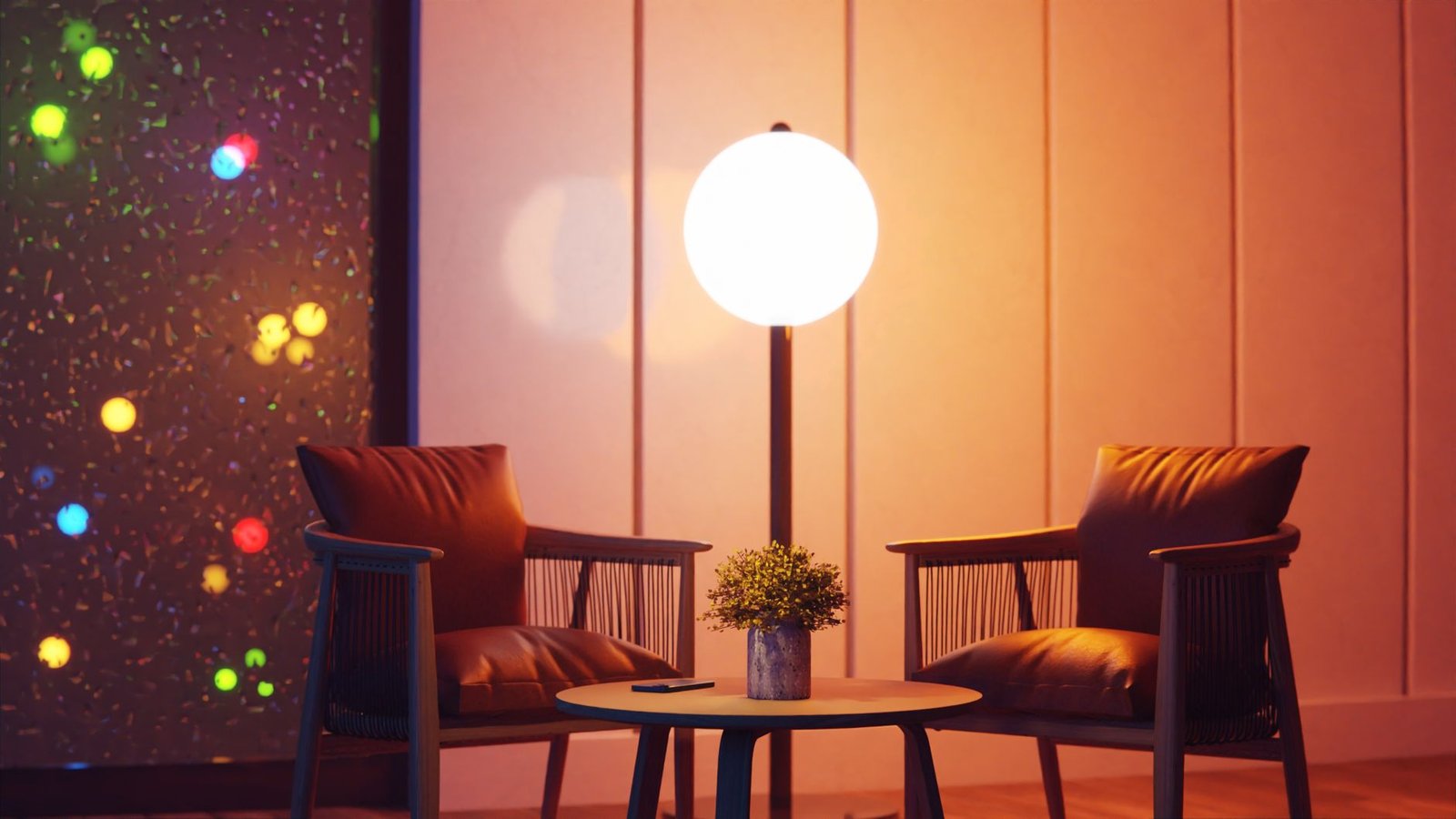
Dark corners within a living room can often diminish a space’s perceived size and overall inviting atmosphere, creating an unwelcome sense of gloom. Fortunately, strategic lighting solutions and thoughtful decor choices can effectively banish these shadows, making any living area feel significantly more expansive, luminous, and welcoming. This article, tailored for the homeowner seeking to optimize their domestic environment in 2026, presents seven actionable lighting tricks, alongside complementary decor insights, to transform even the dimmest corners into vibrant focal points.
Understanding the Impact of Illumination
The Psychology of Light
Light fundamentally shapes the perception of space and influences mood. A well-lit living room does more than merely offer visibility; it fosters feelings of comfort, openness, and well-being. Conversely, poorly illuminated areas can contribute to a confined or oppressive sensation. By understanding how light interacts with surfaces and shadows, the resident can intentionally sculpt their environment, elevating both aesthetics and psychological comfort. The aim is to create a balanced luminosity that prevents visual fatigue while enhancing the room’s features.
2026 Lighting Trends and Technology
The year 2026 heralds significant advancements in lighting technology, moving beyond mere illumination to embrace intelligence and sustainability. AI-driven adaptive lighting systems are becoming mainstream, adjusting brightness and color temperature based on natural light levels, occupancy, and even the time of day, aligning with bio-centric design principles. Materials also reflect a shift towards environmental consciousness, with fixtures incorporating recycled polymers, bioplastics, and sustainably sourced metals. Smart home integration is seamless, allowing for sophisticated control over individual fixtures or entire lighting schemes through voice commands or intuitive apps, emphasizing both energy efficiency and ultimate user convenience.
The 7 Lighting Tricks to Transform Dim Spaces
1. Layered Lighting Strategies
Effective lighting relies on a multi-faceted approach, combining ambient, task, and accent lighting. Ambient lighting provides overall illumination, task lighting supports specific activities (like reading), and accent lighting highlights architectural features or artwork. For dark corners, a combination of these layers is crucial. Instead of relying on a single overhead fixture, the homeowner should integrate a mix of ceiling-mounted lights, floor lamps, and table lamps to create a rich, enveloping glow that reaches every recess. This layering ensures both functional brightness and aesthetic depth.
2. Strategic Placement of Floor Lamps and Tall Fixtures
Floor lamps are indispensable tools for brightening dark corners. An arc lamp can extend its light into the center of a seating arrangement, while tripod lamps or column lamps offer vertical presence and diffuse light upward, bouncing it off the ceiling. In 2026, designs featuring artisanal ceramics, brushed metals (such as matte black or bronze), and natural wood finishes are particularly popular, adding sculptural interest even when unlit. Placing a floor lamp directly in a dim corner instantly pushes light into an otherwise overlooked space, creating warmth and defining the area.
3. The Magic of Wall Sconces and Picture Lights
Wall sconces and picture lights are excellent for creating vertical illumination, which draws the eye upward and makes a room feel taller. Sconces can provide both uplighting and downlighting, washing walls with a soft glow that eliminates shadows. When used to frame a piece of art or a shelf, picture lights ensure that decorative elements are highlighted rather than lost in dimness. Current trends favor minimalist designs with integrated smart controls and slim profiles, blending seamlessly into contemporary interiors. These fixtures are particularly effective in long hallways or near bookshelves in a living space.
4. Utilizing Reflective Surfaces and Mirrors
Beyond direct light sources, reflective surfaces play a pivotal role in amplifying existing light. Placing a large mirror directly opposite a window or a primary light source can dramatically increase a room’s luminosity by bouncing light into shadowy areas. Metallic accents on furniture, glossy finishes on walls or cabinetry, and even polished decorative objects contribute to this effect. The judicious use of reflective materials ensures that any available light, whether natural or artificial, is maximized and dispersed throughout the space, brightening even the most stubborn corners.
5. Integrated LED Strips and Cove Lighting
For subtle yet impactful illumination, integrated LED strips and cove lighting are unparalleled. These discrete light sources can be installed along shelving, under cabinets, behind media consoles, or within ceiling coves to provide a gentle, ambient glow that eliminates harsh shadows without being overtly visible. In 2026, tunable white LEDs are standard, allowing the resident to adjust the color temperature from warm to cool white, further enhancing mood and functionality. Smart control integration means these strips can be programmed to respond to various scenarios, offering versatile lighting solutions.
6. Accent Lighting for Architectural Features and Art
Focused accent lighting can transform a dark corner by highlighting specific architectural features, plants, or cherished art pieces. Small spotlights, track lighting, or adjustable recessed fixtures can direct beams of light onto elements that would otherwise disappear in the shadows. This technique not only illuminates the corner but also creates visual interest and depth, drawing attention to curated details. By strategically illuminating an object, the surrounding area benefits from the spill of light, softening the severity of the darkness and adding a layer of sophisticated design.
7. Smart Lighting Systems and Bio-centric Design
The advent of sophisticated smart lighting systems offers unprecedented control and customization. Automated schedules, scene setting, and voice control allow the homeowner to tailor the lighting precisely to their needs throughout the day. A key trend for 2026 is bio-centric design, where lighting systems automatically adjust their intensity and color temperature to mimic natural daylight cycles, supporting the resident’s circadian rhythm and promoting overall well-being. This intelligent approach ensures that even the darkest corners receive optimal illumination, adaptively brightening and softening as required to foster a healthy, comfortable environment.
Beyond Light – Complementary Decor Solutions
Light-Reflecting Color Palettes
The choice of wall colors and large furniture pieces significantly impacts a room’s brightness. Light neutrals, pale pastels, and cool tones (such as soft grays, sky blues, or subtle creams) reflect light more effectively than darker hues, making a room feel airier and more expansive. When selecting a palette, the resident should consider how these colors interact with both natural and artificial light sources to enhance overall luminosity, especially in areas prone to dimness.
Furniture Placement and Flow
Thoughtful furniture arrangement is crucial to avoiding new shadows and maximizing light penetration. Large, bulky furniture placed directly against a window can block natural light. Instead, the homeowner should opt for pieces that allow light to pass through, such as open shelving units or furniture with exposed legs. Arranging seating to face or flank light sources, rather than block them, ensures that illumination can permeate the space, contributing to an open and inviting atmosphere.
Textiles and Materials for Brightness
Fabrics and materials can also contribute to a brighter living room. Sheer curtains or blinds filter harsh sunlight while still allowing ample natural light to enter, unlike heavy drapes. Reflective fabrics, such as silk or satin throw pillows, can subtly bounce light around. Incorporating transparent or translucent elements like glass-top coffee tables, acrylic chairs, or crystal decorative objects can add sparkle and lightness, preventing corners from feeling heavy or enclosed. The combination of these material choices with strategic lighting ensures a harmoniously bright and welcoming living space.
Transforming dark corners within a living room requires a holistic approach, blending cutting-edge lighting technologies with timeless interior design principles. By implementing these seven lighting tricks and complementary decor solutions, the homeowner can effectively banish shadows, making their living space feel significantly more inviting, spacious, and imbued with a sense of modern comfort for 2026 and beyond. Experimentation with these methods will lead to a truly optimized and radiant domestic environment.