
Rooms with small or few windows can often feel dim and uninviting, creating a pervasive challenge for homeowners seeking brighter, more open living spaces. Overcoming the limitations of minimal fenestration is entirely achievable through intelligent interior design strategies that focus on amplifying existing light. This article outlines seven actionable design tricks, extending beyond mere paint colors, to dramatically enhance natural light within any room, leveraging reflections, strategic material choices, and innovative window treatments, incorporating modern trends for 2026.
Mastering Reflection: Strategic Mirror Placement
One of the most effective and visually impactful methods for increasing perceived brightness is the strategic use of mirrors. Mirrors are not just decorative elements; they are powerful tools for light manipulation, capable of bouncing natural light deep into a room.
The Art of Enlarging Light
To maximize their effect, mirrors should be placed directly opposite a window, or on an adjacent wall to catch the light at an angle. This placement ensures that any available sunlight is reflected back into the space, creating an illusion of additional windows and expanding the visual footprint of the room. Oversized mirrors or groupings of smaller mirrors can be particularly effective. For narrow hallways, a long mirror running parallel to the corridor can double the perceived width and brightness.
Mirror Material & Design Trends for 2026
In 2026, mirror design trends lean towards expansive, frameless or minimally framed options that blend seamlessly into the wall, offering an uninterrupted reflective surface. Reflective wall panels, often crafted from tinted or antiqued mirror glass, are gaining traction for adding depth and a subtle play of light without the starkness of a traditional mirror. Smart mirrors, integrating discreet displays for weather or calendars, are also becoming more sophisticated, offering functionality without compromising aesthetic.
Beyond Paint: Light-Optimizing Surfaces and Materials
While light-colored paint is a foundational step, the choice of other surfaces and materials plays an equally critical role in a room’s luminosity.
Flooring and Wall Finishes
Light-colored flooring, such as bleached oak, light-toned polished concrete, or large-format ceramic tiles with a subtle sheen, helps to reflect light upwards, brightening the entire space. For walls, beyond white or off-white paints, consider finishes with a slight satin or eggshell sheen rather than matte, as these will reflect more light without being overly glossy. Metallic wallpapers with subtle patterns or textured finishes are also trending in 2026, providing a sophisticated reflective quality.
Furniture and Architectural Elements
Opting for furniture with lighter upholstery, transparent materials like acrylic or glass, and pieces with metallic accents can contribute significantly to a brighter room. Sofas and chairs in neutral, light fabrics absorb less light. Glass-topped tables or clear chairs allow light to pass through them, reducing visual bulk. Integrating architectural elements such as interior glass doors, transoms above doorways, or even internal windows can borrow light from adjacent, brighter rooms without sacrificing privacy if frosted or reeded glass is used. For 2026, designers are exploring photochromic glass for interior partitions, which can dynamically adjust opacity.
Smart Window Treatments: Maximizing Every Ray
The way windows are dressed can either enhance or diminish the natural light entering a room. Strategic window treatment choices are paramount.
High and Wide Mounting
A common mistake is hanging curtains directly at the window frame. To maximize light, install curtain rods several inches wider than the window frame on each side, and mount them as close to the ceiling as possible. This allows curtains to be pulled completely clear of the window when open, exposing the maximum glass area, and makes the window appear larger. This technique creates a sense of height and expansive light flow.
Sheer Fabrics and Smart Blinds
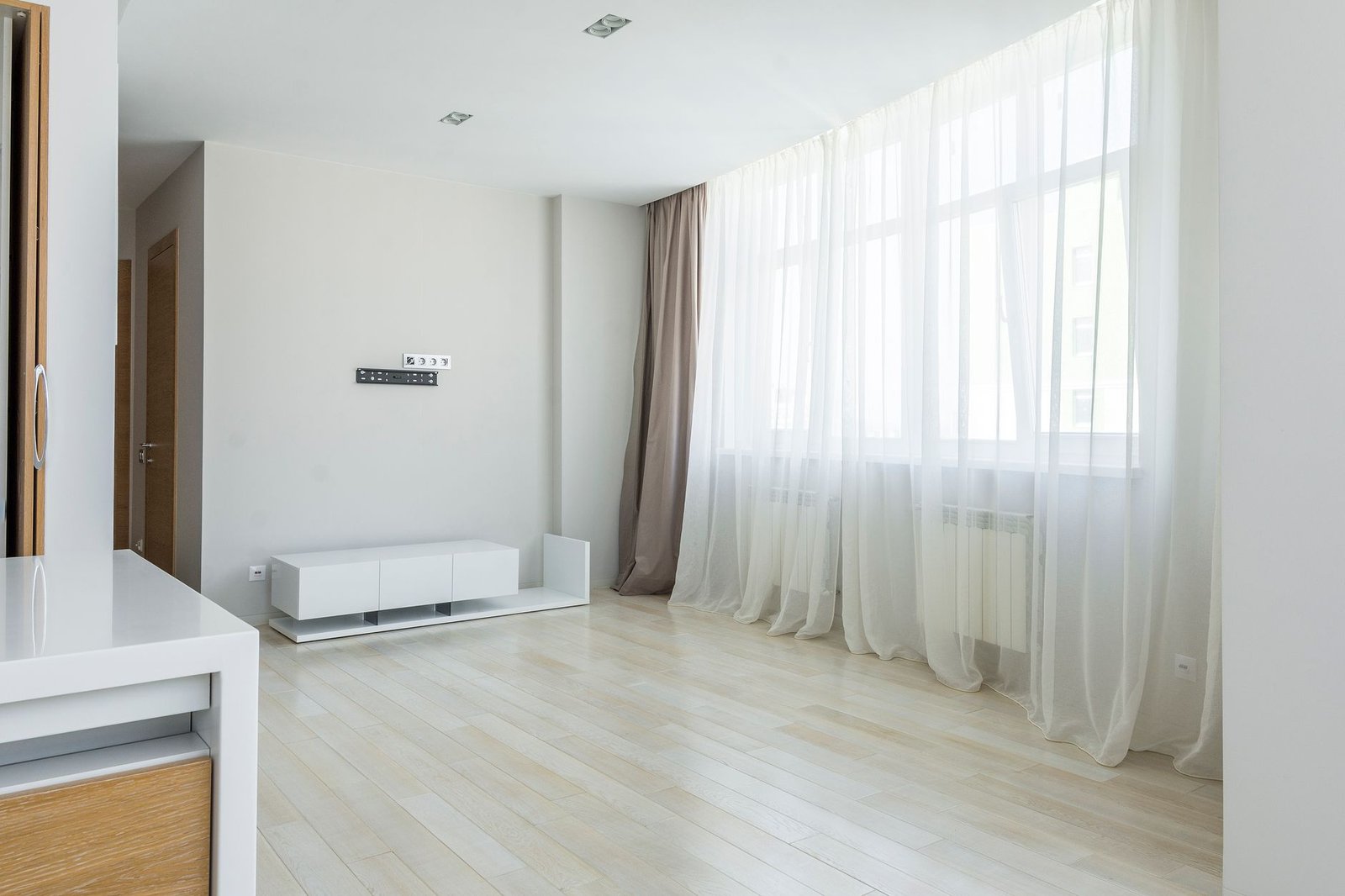
Choose lightweight, sheer fabrics for drapes that allow diffused light to filter through, even when closed. Materials like linen blends, voile, or modern synthetic sheers are excellent choices. For added versatility, layer sheer curtains under blackout drapes for privacy and light control when needed. In 2026, smart, automated blinds and shades are becoming standard. Options like top-down/bottom-up cellular shades or pleated blinds allow light to enter from the top while maintaining privacy below. Light-filtering roller blinds with metallic backings can also help reflect exterior light inwards. Biophilic-patterned sheers, subtly integrating natural motifs, are a key trend.
Curated Decor and Thoughtful Layouts
Beyond the structural elements, how a room is decorated and arranged can profoundly influence its perceived brightness.
Decluttering for Luminescence
A cluttered room feels heavier and absorbs more light. Minimalism and clean lines are not just aesthetic choices; they are functional strategies for light amplification. Regularly decluttering surfaces and opting for streamlined storage solutions allows light to move freely throughout the space. The visual lightness of a room significantly contributes to its overall brightness.
Strategic Furnishing and Metallic Accents
Arrange furniture to keep clear paths to windows, avoiding blocking natural light sources. Low-profile furniture also helps maintain an open feel, allowing light to travel further across the room. Incorporating decorative elements with reflective qualities, such as glass vases, polished chrome or brass accents, and shimmering metallics, can subtly scatter light. Even strategically placed small mirrors on shelves or tabletops can contribute to the overall luminosity. For 2026, organic forms in metallic sculpture and lighting fixtures are prevalent, offering both visual interest and light-reflecting properties.
By implementing these seven design tricks, homeowners can transform even the darkest rooms with small windows into bright, inviting sanctuaries. Focusing on strategic reflections, thoughtful material choices, optimized window treatments, and mindful decor allows for the creation of spaces that feel naturally illuminated and expansively comfortable, significantly enhancing the domestic experience.