
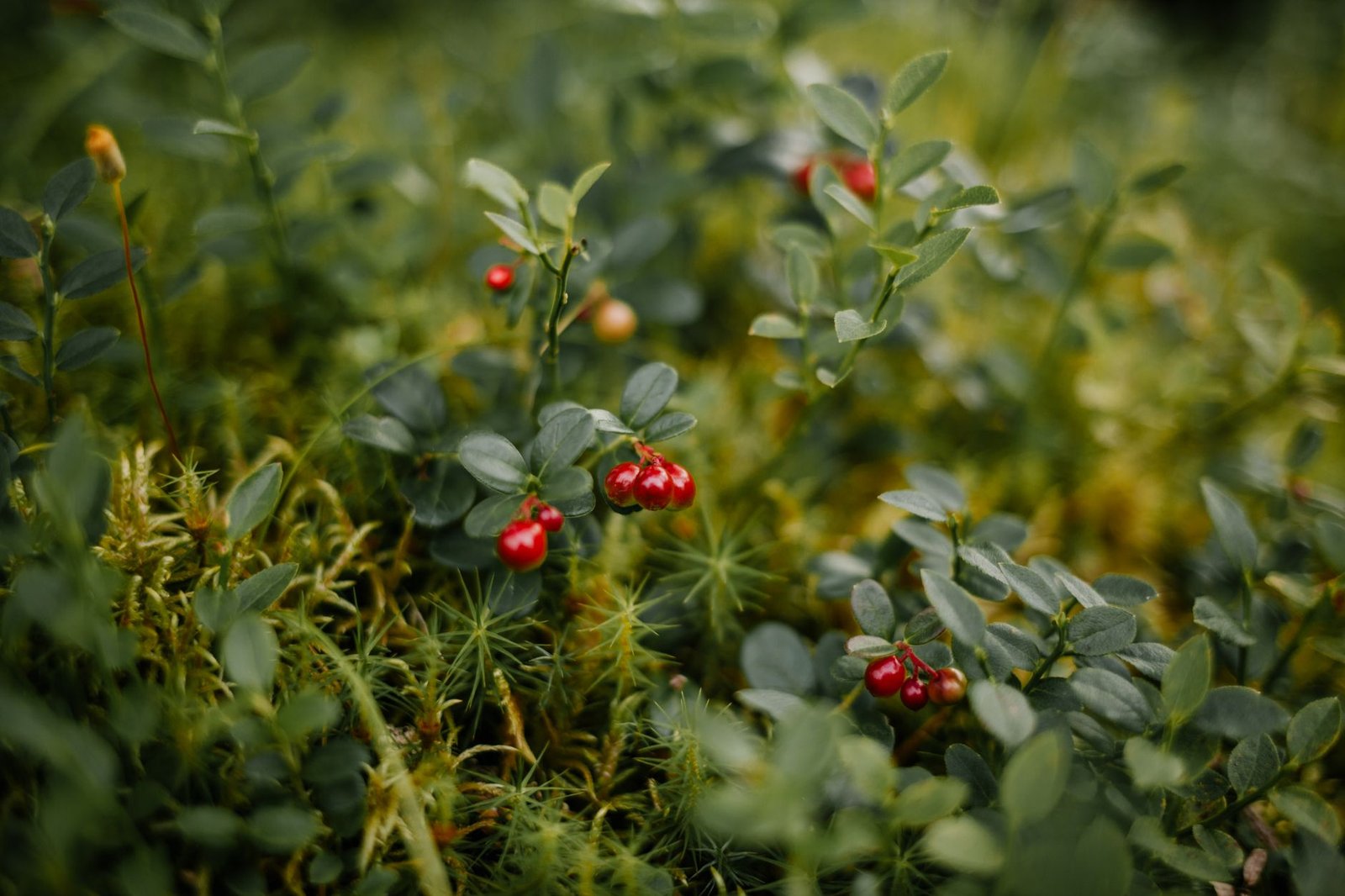
For homeowners seeking to maximize garden productivity while minimizing maintenance, selecting the best edible ground cover for shade gardens in 2026 involves considering a range of factors including resilience, culinary versatility, and ecological benefits. While no single plant holds the title of the absolute ‘best,’ several varieties stand out for their adaptability to low-light conditions, ability to suppress weeds, and contribution to soil moisture retention. The optimal choice will depend on specific regional climates, soil composition, and the resident’s culinary preferences, but options such as wild ginger, wood sorrel, and select varieties of alliums offer excellent performance for the upcoming year.
The Growing Appeal of Edible Ground Covers in Sustainable Landscaping
As 2026 unfolds, the focus on sustainable and regenerative gardening practices intensifies. Edible ground covers represent a cornerstone of this movement, offering a dual benefit of aesthetic appeal and food production, even in challenging shady environments. These low-growing plants play a critical role in creating a resilient garden ecosystem. They act as living mulches, significantly reducing evaporation from the soil surface, thus conserving precious water resources—a key consideration amidst evolving climate patterns. Furthermore, their dense growth habit naturally outcompetes unwanted weeds, diminishing the need for labor-intensive weeding and potentially harmful herbicides. The trend in 2026 leans heavily towards integrating functional plants that contribute to biodiversity and reduce the overall environmental footprint of domestic landscapes.
Top Edible Ground Cover Selections for Shady Spots (2026 Insights)
Identifying the most suitable edible ground covers requires an understanding of their specific needs and offerings. The following selections are highly recommended for their performance in shaded conditions and their valuable contributions to the kitchen and garden ecology.
Wild Ginger (Asarum canadense)
Growth Habits: Wild Ginger is a native North American perennial, forming dense, heart-shaped foliage carpets in deep to partial shade. It prefers rich, moist, well-drained soil, thriving under deciduous trees where it receives dappled sunlight. Its rhizomatous growth habit allows it to spread gradually, creating an effective groundcover that prevents erosion. Modern developments in native plant propagation in 2026 emphasize sourcing locally adapted ecotypes for enhanced resilience.
Culinary Uses: The rhizomes of Wild Ginger possess a spicy, pungent flavor reminiscent of commercial ginger, though milder. They can be harvested sparingly and used to flavor drinks, preserves, or candied. The leaves are not typically consumed due to their less desirable texture and flavor profile.
Benefits: This plant excels at suppressing weeds and maintaining soil moisture. Its unique, often overlooked flowers provide an early nectar source for specific native pollinators, contributing to garden biodiversity.
Wood Sorrel (Oxalis acetosella / stricta)
Growth Habits: Both Common Wood Sorrel (Oxalis acetosella) and Yellow Wood Sorrel (Oxalis stricta) are prevalent in shady areas. O. acetosella prefers cooler, consistently moist, shaded woodland conditions, forming delicate mats of clover-like leaves. O. stricta is more adaptable, tolerating some partial sun and a wider range of soil conditions, often self-seeding vigorously. In 2026, increased interest in urban foraging has highlighted the ease of cultivating these widespread species.
Culinary Uses: The leaves, flowers, and seed pods of wood sorrel have a distinct tangy, lemony flavor due to oxalic acid. They are excellent in salads, as a garnish, or brewed into a refreshing tea. Consumption should be in moderation due to the oxalic acid content, especially for individuals with certain health concerns.
Benefits: Wood sorrel forms a quick-spreading groundcover that effectively smothers weeds. Its delicate appearance adds a touch of brightness to shaded garden beds. Its presence can also indicate healthy, nitrogen-rich soil.
Ramps (Allium tricoccum)
Growth Habits: Ramps, or wild leeks, are highly sought-after woodland perennials that emerge in early spring, preferring moist, rich, loamy soil in deciduous forests. They require deep shade during their active growth phase before going dormant in summer. Ethical cultivation practices for ramps are a significant trend in 2026, encouraging sustainable harvesting or propagation rather than wild over-foraging.
Culinary Uses: Every part of the ramp—bulb, stem, and leaf—is edible, offering a potent garlic-onion flavor. They are incredibly versatile, used raw in salads, pickled, sautéed, or incorporated into pestos and savory dishes.
Benefits: Beyond their culinary value, ramps create a lush, seasonal groundcover, preventing early spring weeds and enriching the forest floor ecosystem. Their early emergence provides an essential food source in early spring, especially for those interested in self-sufficiency.
Creeping Thyme (Thymus serpyllum)
Growth Habits: While many thymes prefer full sun, Creeping Thyme can tolerate partial shade, particularly in hotter climates where it benefits from protection from intense afternoon sun. It forms a dense, mat-like groundcover, hugging the soil and producing tiny, fragrant flowers. The development of more shade-tolerant cultivars is an ongoing area of research in 2026, focusing on improved adaptability to varied light conditions and enhanced drought resistance.
Culinary Uses: The small leaves are intensely aromatic and can be used like traditional thyme in cooking, perfect for seasoning meats, vegetables, or infusions. Its low-growing habit makes it ideal for planting between stepping stones where foot traffic releases its fragrance.
Benefits: Creeping Thyme is excellent for weed suppression, erosion control on slopes, and attracting pollinators. Its resilience and drought tolerance in 2026 gardening are highly valued, especially when integrated with smart irrigation systems.
Alpine Strawberries (Fragaria vesca ‘Alpina’)
Growth Habits: Unlike their larger garden counterparts, Alpine Strawberries are well-suited to partial shade, where they produce small, intensely flavorful berries without runners. They form tidy clumps, making them an excellent choice for borders or underplanting. Newer dwarf and everbearing cultivars released in 2026 offer extended harvest periods and improved pest resistance.
Culinary Uses: The small, sweet, aromatic berries are a gourmet delight, perfect for fresh eating, desserts, or garnishes. The leaves can also be used to brew a healthful tea.
Benefits: Provides a charming edible groundcover with the added bonus of fruit production. It helps retain soil moisture and adds visual interest with its delicate flowers and fruits. Companion planting with borage or calendula can deter common pests.
Miner’s Lettuce (Claytonia perfoliata)
Growth Habits: Miner’s Lettuce is a fast-growing annual or biennial native that thrives in cool, moist, shady conditions, often self-seeding readily. It forms succulent, round leaves with a flower stalk emerging through the center. Its rapid life cycle makes it an ideal choice for seasonal groundcover, especially in successional planting schemes.
Culinary Uses: The entire plant, including leaves, stems, and flowers, is edible and has a mild, slightly sweet, earthy flavor. It is a highly nutritious addition to salads, sandwiches, or light sautés.
Benefits: An excellent cool-season edible that quickly covers bare soil, preventing weeds and conserving moisture. Its ephemeral nature means it disappears once temperatures rise, allowing other plants to take over. This adaptability supports biodynamic gardening principles.
Viola/Pansies (Viola spp.)
Growth Habits: Many species of Viola, including pansies and violets, tolerate partial to full shade, particularly in warmer climates. They form low mounds of foliage, producing cheerful, edible flowers. While often treated as annuals, many will self-seed, establishing a persistent presence. Modern breeding efforts in 2026 are developing varieties with increased disease resistance and prolonged flowering in shadier spots.
Culinary Uses: The flowers have a mild, sweet flavor and are perfect for decorating cakes, salads, or freezing into ice cubes for a touch of elegance. The leaves of some violet species are also edible, rich in vitamins, and can be added to salads or cooked like spinach.
Benefits: Provides year-round or seasonal color, attracts pollinators, and acts as a beneficial weed suppressor. Their aesthetic appeal combined with edibility makes them highly desirable for ornamental-edible integration.
Beyond Plant Selection: Cultivation and Maintenance in 2026
Effective establishment and ongoing care are crucial for the success of edible ground covers in shade gardens.
Soil Preparation and Amendments
Shady areas often have compact or nutrient-depleted soil. In 2026, enriching the soil with copious amounts of organic matter, such as compost and leaf mold, is paramount. Incorporating biochar, a sustainably produced charcoal, is an emerging trend for its ability to significantly improve soil structure, water retention, and nutrient availability over the long term. A soil test will guide precise nutrient amendments.
Water Management and Smart Systems
While shade reduces evaporation, consistent moisture is vital for many edible ground covers. Implementing efficient drip irrigation systems equipped with smart soil moisture sensors, a growing standard in 2026, can optimize water delivery, preventing both overwatering and drought stress. This technology minimizes water waste and ensures plants receive only what they need.
Weed Suppression and Pest Management
Once established, dense edible ground covers are effective weed deterrents. Initial weeding is essential to give desired plants a head start. For pest management, an integrated approach focusing on promoting beneficial insects and using organic pest control methods, such as neem oil or insecticidal soap, remains the preferred strategy in 2026. Companion planting with strong-smelling herbs can also deter pests naturally.
The Broader Benefits of Edible Ground Covers for Resilient Landscapes
Integrating edible ground covers into shaded areas contributes to a holistic and sustainable landscape. They significantly reduce soil erosion on slopes, particularly important in regions experiencing increased rainfall intensity. By creating a diverse plant community, they enhance biodiversity, offering habitat and food for beneficial insects and microorganisms. This contributes to a healthier soil food web and a more resilient garden ecosystem. Furthermore, the reduced need for weeding, mulching, and extensive watering translates into lower maintenance for the resident, freeing up time while still yielding a harvest.
Conclusion: Cultivating a Productive Shade Garden in 2026
The choice of edible ground cover for shade gardens in 2026 is an opportunity to embrace sustainable practices while enhancing the productivity and beauty of outdoor spaces. By carefully selecting plants like wild ginger, wood sorrel, ramps, creeping thyme, alpine strawberries, miner’s lettuce, or violas, homeowners can transform challenging shady spots into thriving, low-maintenance, and delicious landscapes. These selections not only provide culinary delights but also contribute significantly to soil health, water conservation, and biodiversity, embodying the forward-thinking principles of modern gardening.