The year 2026 marks a pivotal moment in garden management, with homeowners increasingly seeking solutions that merge environmental responsibility with enhanced personal convenience. The era of laborious, water-intensive gardening is evolving, giving way to sophisticated smart garden tools engineered to deliver both water savings and significant time efficiencies. This article delves into five cutting-edge innovations that are redefining modern horticultural practices, providing residents with sustainable and effortless ways to maintain vibrant landscapes. These advancements leverage the latest in AI, sensor technology, and sustainable material science to offer unprecedented control and automation.
The Dawn of Intelligent Horticulture: 2026 Innovations
As the world focuses on sustainability and efficiency, the gardening sector has responded with ingenious tools that address critical needs. The drive for smarter living extends to outdoor spaces, where technology now enables optimized resource use and minimized manual effort. From drought-prone regions to bustling urban centers, the demand for resilient and low-maintenance gardens is accelerating the adoption of these innovative solutions.
Five Innovations for Modern Garden Management
1. App-Controlled Smart Irrigation Systems
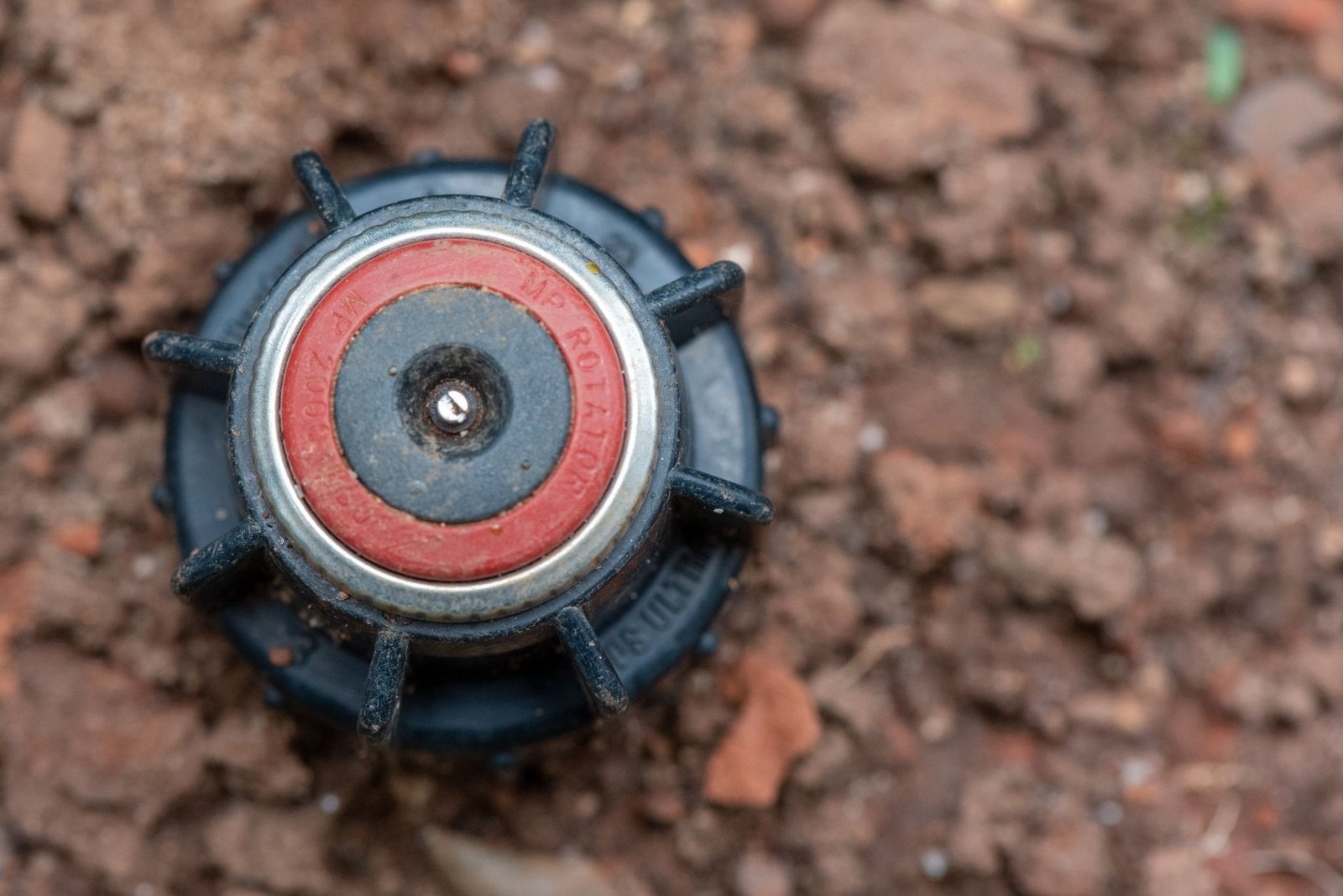
In 2026, smart irrigation systems have transcended basic timers, evolving into highly intelligent networks that precisely manage water distribution. These advanced systems integrate hyper-local weather forecasting, often down to the individual property, and utilize AI-driven algorithms to create plant-specific watering schedules. Predictive microclimate analysis ensures that irrigation adapts to immediate environmental conditions, such as sudden rain showers or heat spikes, preventing unnecessary water usage.
The core of their water-saving capability lies in precision delivery. Real-time soil moisture sensors communicate constantly with the central controller, ensuring that water is applied only when and where it is needed, preventing runoff and deep percolation losses. Modern systems also feature zone-specific flow monitoring, immediately detecting leaks or blockages, which drastically reduces water waste from damaged infrastructure. Furthermore, material innovations for 2026 include highly durable, yet eco-friendly, biodegradable polymer lines and solar-powered sensors, minimizing the environmental footprint of the installation.
For time efficiency, these systems offer complete automation. Residents can manage and monitor their entire irrigation setup remotely via an intuitive smartphone or tablet application. This allows for instant adjustments, pausing irrigation during unexpected rain, or modifying schedules based on new planting schemes, all without requiring physical presence in the garden. The elimination of manual hose dragging, sprinkler repositioning, and constant vigilance over garden hydration frees up substantial personal time, allowing the homeowner to enjoy their outdoor space rather than labor over its maintenance.
2. Robotic Lawnmowers with Advanced AI Mapping
The robotic lawnmower of 2026 is a sophisticated, autonomous landscape maintenance unit, far removed from earlier generations. Equipped with advanced LiDAR (Light Detection and Ranging) and multi-band GPS, these machines create highly accurate, real-time maps of the lawn area, navigating complex landscapes with unparalleled precision. AI learning algorithms analyze lawn growth patterns and obstacles, optimizing cutting paths for maximum efficiency and minimal energy consumption. Solid-state lithium batteries provide extended run times and faster charging, aligning with contemporary energy efficiency standards.
From a water-saving perspective, these robotic mowers contribute indirectly yet significantly. By consistently mulching grass clippings into fine particles, they return essential moisture and nutrients directly to the soil. This natural fertilization process enhances soil health, increasing its water retention capacity and reducing the need for supplementary irrigation. Some advanced models also integrate with smart garden ecosystems, providing data on lawn density and health, which can subtly influence the broader smart irrigation schedule to prevent drought stress and thus reduce overall water application.
The primary time-saving benefit is unparalleled autonomy. Once programmed, the robotic lawnmower operates independently, adhering to scheduled cutting times, returning to its charging dock as needed, and navigating around garden features. This eliminates the manual effort of pushing a mower or operating a ride-on, liberating countless hours for other pursuits. Remote diagnostics and over-the-air software updates ensure that the device remains optimal with minimal manual intervention, underscoring its role as a true domestic assistant.
3. Self-Watering Planters with Integrated Biometric Sensing
For container gardens, patios, and indoor plant displays, self-watering planters in 2026 represent a leap forward in localized plant care. These planters feature sub-irrigation reservoirs that deliver water directly to the plant’s root zone, significantly reducing surface evaporation and ensuring a consistent moisture supply. The latest iterations incorporate sophisticated biometric sensors that not only monitor soil moisture but also track nutrient levels, pH, and even subtle indicators of plant stress.
The water conservation aspect is twofold: direct root irrigation minimizes waste, and the sensor-driven system ensures plants receive only the exact amount of water and nutrients required at any given moment. This prevents both under- and over-watering, common issues that lead to plant stress and inefficient water use. Modern designs increasingly utilize sustainable materials such as recycled bio-plastics derived from algae or hemp, reflecting a commitment to ecological design principles.
The time-saving advantages are profound for residents with numerous potted plants. The need for daily manual watering is virtually eliminated, as the system intelligently manages hydration. Homeowners receive notifications only when the reservoir needs refilling or if specific nutrient adjustments are required, simplifying routine care. For indoor gardeners, some 2026 models integrate smart LED grow lights with adaptive spectrums, further automating environmental control and reducing the time spent on manual adjustments.
4. Smart Soil Moisture Sensors and Comprehensive Analyzers
Beyond simply detecting moisture, the smart soil sensors of 2026 are comprehensive diagnostic tools for the garden. These devices provide multi-parameter analysis, assessing not only soil moisture but also pH levels, temperature, electrical conductivity (EC), and key nutrient concentrations (Nitrogen, Phosphorus, Potassium – NPK). Utilizing robust, weather-resistant composites and low-power wireless mesh networking, these sensors can cover extensive garden areas, transmitting data seamlessly to a central smart hub.
Their contribution to water saving is through data-driven precision. By providing granular, real-time information on soil conditions, these analyzers enable incredibly targeted watering strategies. Integration with smart irrigation systems means that zones are watered only when their specific soil profile indicates a need, preventing wasteful application based on generalized schedules. This granular insight minimizes water usage by avoiding common mistakes like watering already saturated soil or neglecting dry spots.
The time-saving benefit stems from the elimination of guesswork and manual testing. Residents no longer need to physically probe soil or conduct separate chemical tests. The sensors provide immediate, actionable insights, alerting the homeowner to specific deficiencies or excesses. This proactive approach helps prevent plant health issues before they escalate, reducing the time and effort spent troubleshooting and correcting problems, ultimately leading to healthier plants with less intervention.
5. Automated Vertical Gardening Systems for Urban Efficiency
Vertical gardening has emerged as a crucial solution for space-constrained urban environments, and in 2026, these systems are highly automated and incredibly efficient. These setups often employ closed-loop hydroponic or aeroponic technologies, where water and nutrients are precisely delivered to plant roots and then recirculated. Integrated LED grow lights with adaptive spectrums ensure optimal photosynthetic activity, while AI-driven climate control maintains ideal environmental conditions regardless of external factors.
Water conservation is a hallmark of these systems. By recirculating water within a contained environment, they can reduce water consumption by up to 90% compared to traditional soil-based gardening. Evaporation is significantly minimized due to the enclosed or semi-enclosed nature of the systems. Furthermore, precise nutrient delivery ensures no waste, as only the required amount of solution is provided, a stark contrast to the leaching that can occur in conventional planting.
From a time-saving perspective, automated vertical gardens are unparalleled. Beyond initial setup and occasional harvesting, these systems largely operate themselves. Watering, nutrient dosing, and lighting cycles are all managed automatically, dramatically reducing the manual labor associated with cultivating produce or ornamental plants. Their modular designs, often built with lightweight, durable recycled polymers, allow for easy expansion and reconfiguration, making them ideal for urban residents seeking high yield with minimal time investment.
Embracing a Smarter, More Sustainable Garden Future
The convergence of advanced technology, sustainable design, and horticultural science is fundamentally transforming garden maintenance in 2026. By embracing the five smart garden tools detailed above—from AI-powered irrigation to autonomous vertical farms—residents are empowered to cultivate thriving landscapes while making profound contributions to water conservation and reclaiming valuable personal time. The integration of artificial intelligence, sophisticated sensor technology, and innovative, eco-friendly materials is not merely an upgrade; it represents a paradigm shift towards a greener, more efficient, and ultimately more enjoyable gardening future. The commitment to environmental stewardship and streamlined operational efficiency underscores the transformative potential of these smart garden solutions, readily available to elevate outdoor and indoor spaces in 2026 and beyond.