
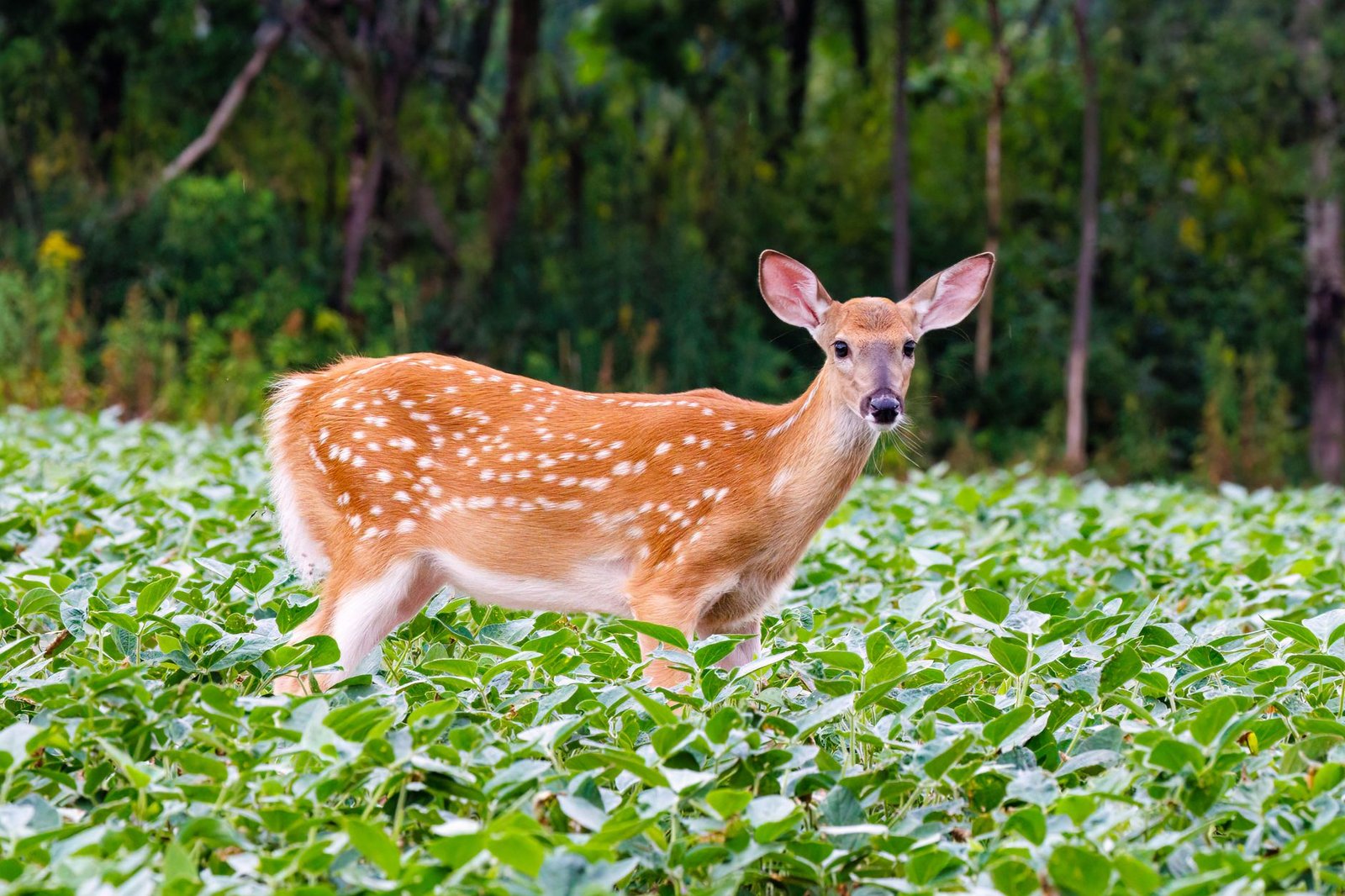
Is a thriving garden being systematically devoured by deer? Many residents face the frustrating challenge of protecting their meticulously cultivated landscapes from these persistent visitors. Fortunately, effective, natural, and humane solutions exist to safeguard garden investments. This article will unveil seven proven natural repellent strategies that are highly effective in 2026, incorporating modern innovations and sustainable practices to ensure a beautiful, deer-free outdoor space.
Understanding Deer Behavior: Why Gardens Attract Them
Deer are creatures of habit and opportunity, often drawn to residential areas by the promise of easily accessible, nutrient-rich forage. Their diet is diverse, and while certain plants are generally avoided, a hungry deer will graze on almost anything. Understanding their sensory strengths, particularly their keen sense of smell and their tendency to avoid unfamiliar or unpleasant tastes and sensations, is foundational to developing successful deterrent strategies. Identifying pathways and preferred feeding times can also inform the strategic placement of repellents.
The Seven Natural Repellent Strategies for 2026
Successfully deterring deer often requires a multi-faceted approach. Implementing a combination of the following natural methods will significantly increase the likelihood of maintaining a thriving garden.
1. Scent-Based Deterrents
Deer possess an exceptionally sensitive sense of smell, which can be leveraged to their disadvantage. Introducing strong, offensive odors can make a garden highly unappealing.
- Strong-Smelling Plants: Incorporating plants with pungent aromas can create a sensory barrier. Excellent choices include lavender, rosemary, sage, mint, chives, and garlic. Modern horticultural trends in 2026 emphasize developing new cultivars known for even stronger scent profiles to enhance this natural defense.
- Homemade Sprays & Satchels:
- Soap Shavings: Bars of strongly scented soap, such as Irish Spring, shaved and placed in mesh bags or old stockings near vulnerable plants, can deter deer. The strong scent acts as a repellent.
- Human Hair: The scent of human hair, gathered from local barbershops, can signal human presence and deter deer when placed around garden perimeters.
- Rotten Egg Spray: A mixture of eggs and water, fermented for a few days, creates a sulfurous odor that deer find repulsive. New biodegradable, slow-release formulations for 2026 minimize scent for homeowners while maximizing longevity for deer.
- Essential Oils: Diluted essential oils like peppermint, clove, or garlic oil, when sprayed on plants, can provide a temporary, yet effective, olfactory deterrent. Consistent reapplication, especially after rain, is crucial.
2. Taste-Based Repellents
Making garden plants unpalatable to deer encourages them to seek forage elsewhere. These repellents work by coating foliage with an unpleasant taste.
- Capsaicin Sprays: Extracts from hot peppers (capsaicin) can be mixed with water and a sticking agent (like a mild soap) to create a spray that leaves a burning sensation upon consumption. Commercial formulations in 2026 are increasingly rain-resistant and environmentally friendly.
- Bittering Agents: Products containing denatonium benzoate, while harmless, are intensely bitter and can effectively deter deer from sampling treated foliage. These are often used in commercial deer repellents designed for food safety.
- Egg-Based Sprays (Taste Component): Beyond the scent, the taste of fermented egg protein is also highly undesirable to deer, reinforcing the deterrent effect.
3. Physical & Visual Deterrents
While often seen as a last resort, strategic physical and visual elements can create barriers or startle deer away from sensitive areas.
- Smart Sprinklers: Motion-activated sprinklers deliver a sudden, harmless burst of water, startling deer away. 2026 models integrate AI-driven detection to reduce false activations from smaller animals and optimize water usage based on real-time environmental data.
- Reflective Tape & Mylar Balloons: The flashing movement and unexpected reflections from strips of mylar tape or balloons can disorient and deter deer. Placement should be adjusted periodically to prevent habituation.
- Ultrasonic Devices: These devices emit high-frequency sounds imperceptible to humans but irritating to deer. While their effectiveness can vary based on terrain and deer species, some homeowners report success, especially with newer, more powerful models.
- Modern Fencing Alternatives: While traditional tall fences are effective, less obtrusive options are available:
- Invisible Monofilament Lines: Spaced correctly at varying heights (e.g., 18, 36, 54 inches), clear fishing line creates an unexpected physical barrier that deer often avoid after bumping into it.
- Polypropylene Netting: Lightweight, UV-resistant, and less visible than wire, modern polypropylene netting can be temporarily or semi-permanently installed around vulnerable areas.
- Low-Voltage Electric Fencing: Humane electric fences, often pulsed for safety, provide a mild but memorable shock that teaches deer to avoid the area. 2026 sees advances in solar-powered, smart-integrated electric fence systems that can be monitored via mobile applications.
4. Strategic Plant Selection (Deer-Resistant Landscaping)
One of the most sustainable long-term strategies involves selecting plants that deer naturally tend to avoid. This reduces the primary attractant within the garden.
- Fuzzy or Hairy Leaves: Deer dislike the texture of plants like Lamb’s Ear (Stachys byzantina) or certain verbascums.
- Toxic or Unpalatable Plants: Daffodils, foxglove, hellebore, bleeding heart, and monkshood are examples of plants that are toxic or taste bad to deer.
- Strongly Aromatic Plants: Similar to scent-based repellents, plants like sage, rosemary, thyme, and catmint are often ignored.
- Thorns or Spines: Barberry, some roses, and holly can deter deer due to their prickly nature, though hungry deer may still attempt to browse.
- Horticultural research in 2026 continues to introduce new plant cultivars specifically bred for enhanced deer resistance, often combining unpalatable textures or flavors with attractive aesthetics.
5. Habitat Modification
Adjusting the garden environment to make it less welcoming for deer can significantly reduce their presence.
- Removing Attractants: Promptly clear fallen fruit from trees, secure compost bins, and ensure bird feeders are not spilling seeds that could attract deer.
- Varying Plant Heights and Densities: An unpredictable landscape with varying plant heights and strategic dense plantings can make deer feel less secure, encouraging them to move on to more open, predictable areas.
6. Companion Planting
This traditional gardening technique involves planting specific deer-repelling plants adjacent to more vulnerable ones, using the deterrent plant as a natural shield.
- Planting strongly scented herbs like chives or garlic around vegetables or ornamental flowers that deer prefer can effectively mask the attractive scent of the desired plants, making them harder for deer to locate and less appealing to browse.
7. Integrated Pest Management (IPM) Approach
The most successful deer deterrence strategies rarely rely on a single method. An IPM approach combines several tactics for maximum, long-term effectiveness.
- Rotation of Repellents: Deer are intelligent and can habituate to a single deterrent. Rotating between different scent, taste, and visual repellents every few weeks prevents deer from becoming accustomed to one method.
- Layering Defenses: Combining a physical barrier (like a monofilament line) with a taste-based spray and strategic planting of deer-resistant species creates multiple layers of deterrence, significantly increasing the challenge for deer to enter and forage.
Modern Material Developments and 2026 Trends
The landscape of deer deterrence continues to evolve with technological advancements and a growing emphasis on sustainability. In 2026, trends include the integration of ‘smart’ garden technologies, such as AI-powered motion sensors that differentiate between deer and smaller garden wildlife, optimizing repellent deployment and conserving resources. Biodegradable, extended-release repellent formulations are becoming standard, offering longer protection with less frequent application and reduced environmental impact. Furthermore, advancements in materials science have led to the development of more durable, less visible netting solutions and solar-powered electric fencing options that are virtually maintenance-free, aligning with the modern homeowner’s desire for effective, low-effort, and eco-conscious garden protection.
Implementing a Multi-Pronged Approach for Lasting Success
For any homeowner or resident seeking to protect their garden from deer, persistence and adaptability are key. No single solution is entirely foolproof, as deer pressures vary by region, season, and individual animal behavior. The most resilient defense integrates multiple strategies – combining physical barriers with scent and taste repellents, alongside careful plant selection. Regular monitoring of deer activity and diligent reapplication or adjustment of deterrents, especially after heavy rain or new growth, ensures sustained effectiveness. By embracing these natural and humane methods, residents can foster a harmonious coexistence, protecting their landscapes while respecting wildlife.