
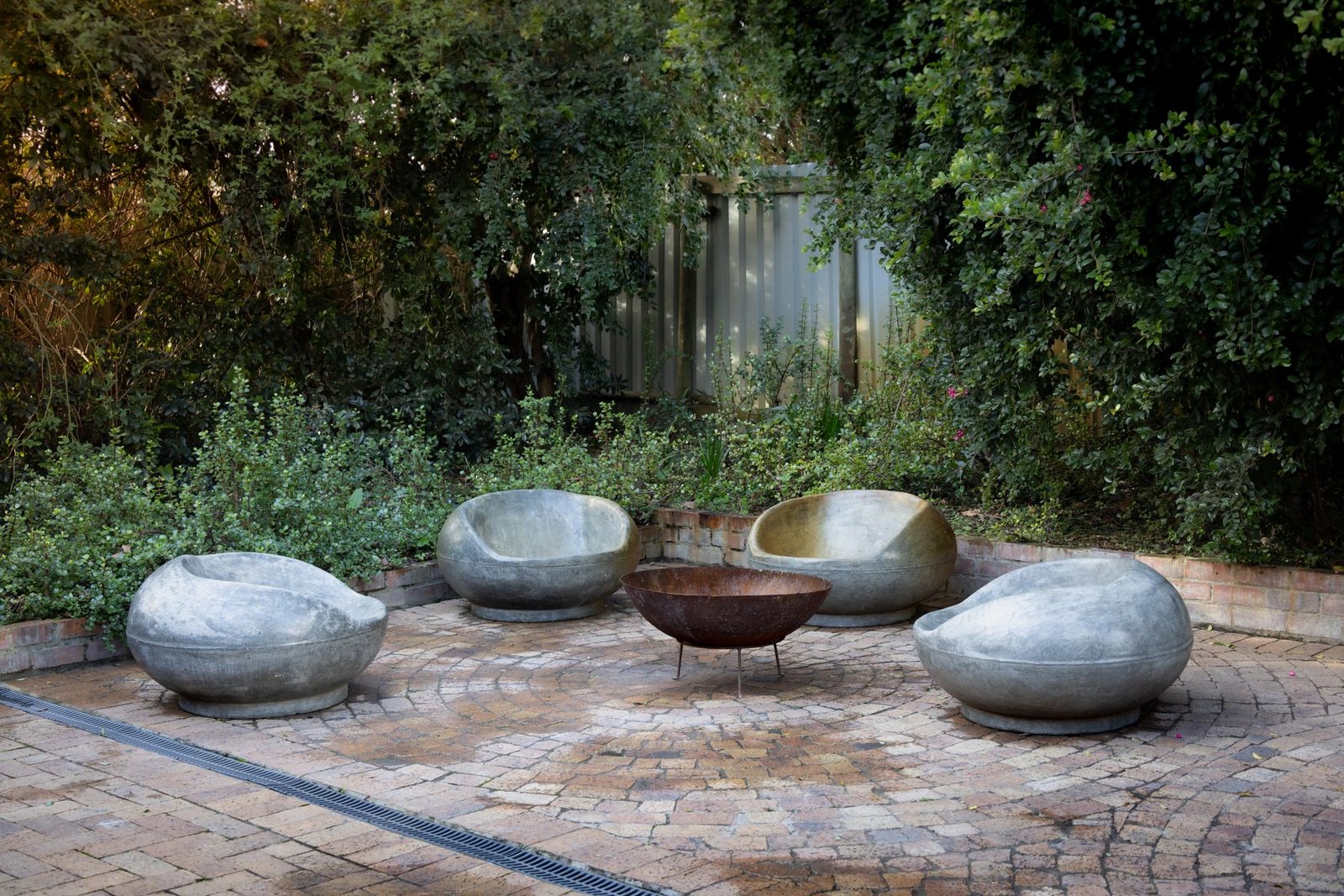
Establishing Secure Perimeters: Essential Fire Pit Clearances
The allure of an outdoor fire pit as a central feature in modern landscape architecture is undeniable, offering warmth, light, and a focal point for social gatherings. However, successful integration hinges on meticulous planning, with safety clearances being paramount. Ignorance of these guidelines can lead to significant hazards, making adherence to local building codes and manufacturer specifications non-negotiable for any homeowner considering such an amenity.
Overhead and Lateral Distances
Critical to fire pit placement is the establishment of ample clearance both overhead and laterally from combustible materials. As a general rule, a minimum overhead clearance of ten feet (3 meters) is recommended from any ceiling, roofline, or overhanging structure, including pergolas, awnings, and tree branches. For lateral distances, the consensus in 2026 industry standards suggests a perimeter of ten to twenty-five feet (3 to 7.6 meters) from any building, fence, or flammable vegetation, depending on the fire pit’s size and fuel type. Local ordinances frequently dictate more stringent requirements, underscoring the necessity for professional consultation during the design phase. Consideration must also be given to prevailing wind patterns, ensuring that sparks and embers, particularly from wood-burning units, are not carried towards vulnerable areas.
Ground Surface and Material Integrity
The surface directly beneath and immediately surrounding a fire pit is equally crucial. A non-combustible base is essential. Options include concrete slabs, pavers, gravel, or specialty fire-rated composite decking materials that have seen significant advancements in 2026, offering enhanced fire resistance compared to earlier generations. Direct placement on wooden decks or other flammable surfaces without a substantial, certified fire-resistant barrier is a significant safety breach. Modern fire pit designs often incorporate integrated heat shields or elevated bases to minimize downward heat transfer, but these do not negate the need for a non-combustible foundation. The surrounding area, extending several feet from the pit, should also be clear of dry leaves, mulch, or other easily ignitable debris.
Fueling Ambience: Propane vs. Natural Wood Dynamics
The choice of fuel source profoundly impacts a fire pit’s functionality, maintenance, and overall user experience. The prevailing options, liquid propane (LP) and natural wood, each present distinct advantages and considerations regarding thermal output and structural longevity.
Liquid Propane Configurations: Precision and Purity
Liquid propane fire pits epitomize convenience and controlled output. These units deliver a consistent, adjustable flame, with thermal outputs typically ranging from 40,000 to over 100,000 BTUs. This predictable heat ensures a comfortable experience without the variability associated with wood combustion. From a structural maintenance perspective, LP systems are remarkably low-effort. The clean-burning nature of propane results in virtually no ash, minimal soot accumulation, and significantly reduced risk of creosote buildup, thereby extending the life of the unit’s components and surrounding materials. Burners are predominantly crafted from durable marine-grade stainless steel, designed to withstand outdoor elements and corrosive agents. Enclosures often utilize weather-resistant materials such as powder-coated aluminum, GFRC (Glass Fiber Reinforced Concrete), or high-density poly-resin composites, all engineered for minimal degradation and easy cleaning.
Contemporary trends in 2026 for LP fire pits include smart home integration, allowing for app-enabled ignition, flame adjustment, and automated shut-off features. This enhances both convenience and safety. Aesthetic advancements in fire media, such as realistic ceramic logs, colored fire glass, and lava rocks, also provide diverse design possibilities, efficiently distributing heat while complementing the outdoor decor. The absence of smoke and embers makes them ideal for environments where air quality or proximity to combustibles is a concern.
Natural Wood Combustion: Tradition and Intensity
Natural wood fire pits offer an unparalleled sensory experience, characterized by the crackling sounds, distinct aroma, and the authentic spectacle of flickering flames. The thermal output of a wood fire is often higher in peak radiant intensity compared to propane, though it is less consistent and more dependent on the type and quantity of wood burned. This intense, variable heat profile necessitates more robust structural considerations and ongoing maintenance.
Maintenance for wood-burning fire pits is considerably more involved. Regular removal of ash is essential to maintain proper airflow and prevent corrosive buildup. While creosote buildup is less of an issue for open fire pits than enclosed fireplaces, soot and smoke can stain surrounding stone or masonry over time. The high, unpredictable heat and potential for flying embers demand that materials used for the fire pit structure and immediate surroundings are exceptionally heat-tolerant. Thick-gauge steel, cast iron, and refractory concrete or masonry are common choices, often requiring sacrificial liners or internal firebrick for enhanced longevity. Industry trends for 2026 include improved spark arrestor designs for enhanced safety, integrated ash collection systems for easier cleanup, and developments in high-performance refractory materials that resist thermal shock and spalling more effectively. Sustainable wood sourcing practices are also gaining prominence, aligning with broader ecological considerations.
Strategic Integration: Materiality and Long-Term Considerations
The decision between liquid propane and natural wood fire pits transcends mere aesthetic preference; it involves a careful assessment of thermal impact, maintenance commitment, and material suitability for long-term performance.
Comparative Thermal Output and Structural Impact
Propane units, with their contained and consistent flame, exert a more predictable thermal impact on surrounding elements. The heat is primarily directed upwards, with less intense radiant heat affecting the immediate perimeter, thereby reducing the stress on adjacent patio materials or outdoor furniture. This allows for greater flexibility in material selection for the surrounding hardscape. In contrast, natural wood fires produce significant, less controllable radiant heat, which can affect a wider area. Embers can also travel, necessitating highly heat-resistant and durable materials for the fire pit itself and a larger safety zone around it. Materials like natural stone, robust pavers, or specialty heat-rated metals are crucial to withstand the intense thermal cycling and potential charring.
Material Innovations for 2026
The year 2026 showcases exciting advancements in materials pertinent to outdoor fire features. For gas fire pits, the evolution of ceramic logs and lava rock beyond mere aesthetics includes improved heat retention and dispersion properties, contributing to greater fuel efficiency. Corrosion-resistant alloys and marine-grade stainless steel continue to be the gold standard for burners and internal components, now often paired with durable, weather-resistant powder coatings in a broader palette of finishes. For wood-burning units, innovations focus on refractory liners that offer superior resistance to extreme temperatures and thermal shock, extending the lifespan of the fire pit’s interior. Furthermore, the integration of smart technology is not limited to gas units; some high-end wood fire pits are exploring advanced airflow systems and automated damper controls to optimize combustion and reduce smoke.
Resident-Centric Selection
Ultimately, the optimal fire pit solution aligns with the homeowner’s lifestyle, aesthetic vision, and willingness to engage in maintenance. For those prioritizing instant gratification, minimal cleanup, and contemporary design, a liquid propane fire pit is often the preferred choice. It integrates seamlessly into modern, minimalist landscapes and offers precise control. For residents who cherish the ritual of building a fire, the sensory experience of natural wood, and a more rustic or traditional aesthetic, a wood-burning fire pit provides unmatched ambiance, albeit with a greater commitment to fuel management and cleanup. Regardless of the choice, seeking guidance from an expert landscape architect or outdoor living designer ensures that the integration is safe, compliant with local regulations, and perfectly tailored to enhance the outdoor living space for years to come.