
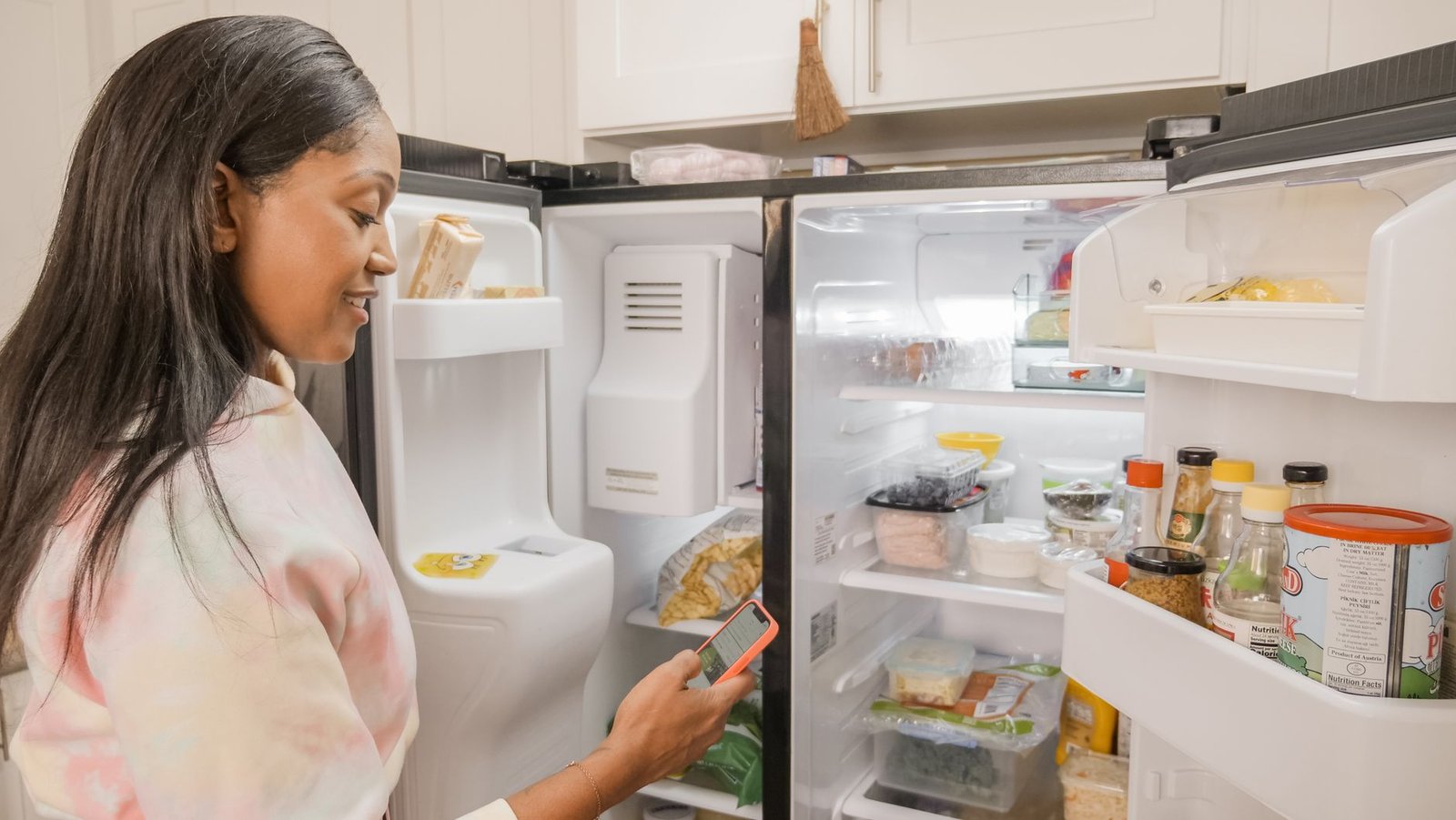
In 2026, the best smart refrigerator for grocery management is not a single model but rather a category of advanced appliances characterized by their sophisticated AI-driven inventory systems, predictive analytics for food waste reduction, and seamless integration with broader smart home ecosystems. These cutting-edge units leverage internal vision systems, machine learning, and connectivity to transform how households track, plan, and consume groceries, significantly enhancing domestic comfort and efficiency.
The Evolution of Smart Refrigeration for Modern Households
The landscape of home appliances has undergone a profound transformation, with smart refrigerators evolving beyond mere food preservation. Contemporary models are central hubs for kitchen management, designed to streamline grocery shopping, minimize food waste, and support healthier eating habits. The focus in 2026 is squarely on predictive capabilities, material innovation, and user-centric interfaces that adapt to household needs.
Core Features Defining 2026’s Top Grocery Management Refrigerators
- Advanced Internal Vision Systems: Multiple high-resolution cameras provide real-time views of refrigerator contents, accessible remotely via smart devices. These systems often employ AI to recognize items as they are added or removed.
- AI-Powered Inventory Tracking: Beyond simple imaging, AI algorithms now automatically identify food items, track quantities, and monitor expiry dates. This data populates a digital pantry list, accessible at any time.
- Predictive Food Waste Reduction: Utilizing data on consumption patterns and expiry dates, smart refrigerators offer personalized suggestions for meal planning, alert the resident to items nearing expiration, and propose recipes to utilize available ingredients.
- Automated Grocery List Generation and Reordering: Based on depletion rates and predefined preferences, the appliance can automatically add items to a digital shopping list or even initiate orders with preferred grocery delivery services.
- Recipe Integration and Meal Planning: Seamless integration with popular recipe platforms allows the homeowner to select meals, which then automatically updates the grocery list based on required ingredients and existing stock.
- Temperature and Humidity Zones: Precisely controlled environments extend the shelf life of various food types, further contributing to waste reduction.
Leading Smart Refrigerators for Grocery Management in 2026
Several brands have distinguished themselves through their innovative approaches to grocery management. While specific models constantly evolve, the following represent the pinnacle of current technology.
Samsung Family Hub 2026 Series
The Samsung Family Hub continues to lead with its robust AI capabilities and comprehensive ecosystem integration. The 2026 iteration boasts enhanced ‘Vision Inside AI Pro,’ capable of recognizing an even broader array of food items and predicting consumption patterns with greater accuracy. Its large, customizable display serves as a central hub for family communication, recipe browsing, and grocery management. The system proactively suggests recipes based on expiring ingredients and can integrate with Samsung’s SmartThings cooking suite for a truly synchronized kitchen experience.
LG InstaView ThinQ 2026 Pro-Line
LG’s InstaView ThinQ series has refined its ‘Smart Inventory Management’ system. The 2026 Pro-Line features ‘Door-in-Door’ functionality with an expanded transparent OLED panel, allowing a quick glance inside without opening the main door, thus reducing energy consumption. Its internal AI cameras, now augmented with advanced optical sensors, provide hyper-accurate item recognition and automatic expiry tracking. The ‘Proactive Customer Care’ feature predicts potential maintenance issues and offers personalized tips for optimal food storage based on detected items.
Bosch Home Connect Pro 2026
Bosch’s focus on precision and integration is evident in its Home Connect Pro 2026 models. These refrigerators emphasize seamless connectivity with other Bosch appliances and a minimalist interface that prioritizes data clarity. Its ‘FreshSense AI’ actively learns household food habits, optimizing internal climate control for specific items and providing highly accurate inventory updates. The system excels in generating efficient shopping lists and offers nuanced recommendations for reducing waste through optimized storage techniques and meal suggestions.
Industry Trends and Material Innovations in 2026
The evolution of smart refrigerators is inextricably linked to broader industry trends and advancements in material science.
Sustainable Design and Manufacturing
In 2026, there is a significant push towards sustainability. Refrigerators are designed with high-efficiency compressors, advanced vacuum insulation panels (VIPs) for superior thermal performance, and utilize refrigerants with low global warming potential. Manufacturers are increasingly incorporating recycled and responsibly sourced materials, such as bio-based plastics for interior components and recycled metals for exterior finishes. Modular designs facilitate easier repairs and upgrades, extending the appliance’s lifespan.
Hyper-Personalization and Adaptive AI
AI is moving beyond mere data collection to truly predictive and adaptive intelligence. Systems learn the resident’s dietary preferences, shopping habits, and even preferred cooking styles, offering hyper-personalized recommendations. This includes dietary restrictions, nutritional goals, and even local seasonal produce availability, making grocery management not just efficient but also health-conscious.
Seamless Smart Home Ecosystem Integration
The smart refrigerator is no longer an isolated appliance. It is a critical component of a fully integrated smart home. Communication protocols are standardized, allowing seamless interaction with smart pantries (which track non-perishables), smart ovens, voice assistants, and even smart lighting systems that adapt to cooking activities. This holistic approach creates a truly intuitive and responsive domestic environment for the homeowner.
Advanced Display and Interface Technologies
Displays are becoming more intuitive and integrated. Beyond large touchscreens, some models feature transparent OLED panels that display information or recipes directly on the door while still allowing visibility into the interior. Gesture control and enhanced voice activation minimize physical interaction, contributing to a more hygienic and user-friendly experience.
Making the Smart Choice for Grocery Management
Selecting the best smart refrigerator in 2026 hinges on understanding the homeowner’s specific needs for grocery management. Factors to consider include:
- Ecosystem Compatibility: The appliance should integrate well with existing or planned smart home devices and platforms.
- AI Accuracy and Features: Evaluate the sophistication of the inventory tracking, prediction algorithms, and recipe integration.
- Ease of Use: A user-friendly interface and intuitive controls are paramount for consistent adoption.
- Sustainability Footprint: Consider energy efficiency ratings, material sourcing, and end-of-life recyclability.
- Capacity and Design: Ensure the unit meets the household’s size requirements and aesthetic preferences.
By prioritizing these elements, the resident can invest in a smart refrigerator that not only preserves food but also intelligently manages the entire grocery lifecycle, contributing significantly to a more efficient, sustainable, and comfortable home.