
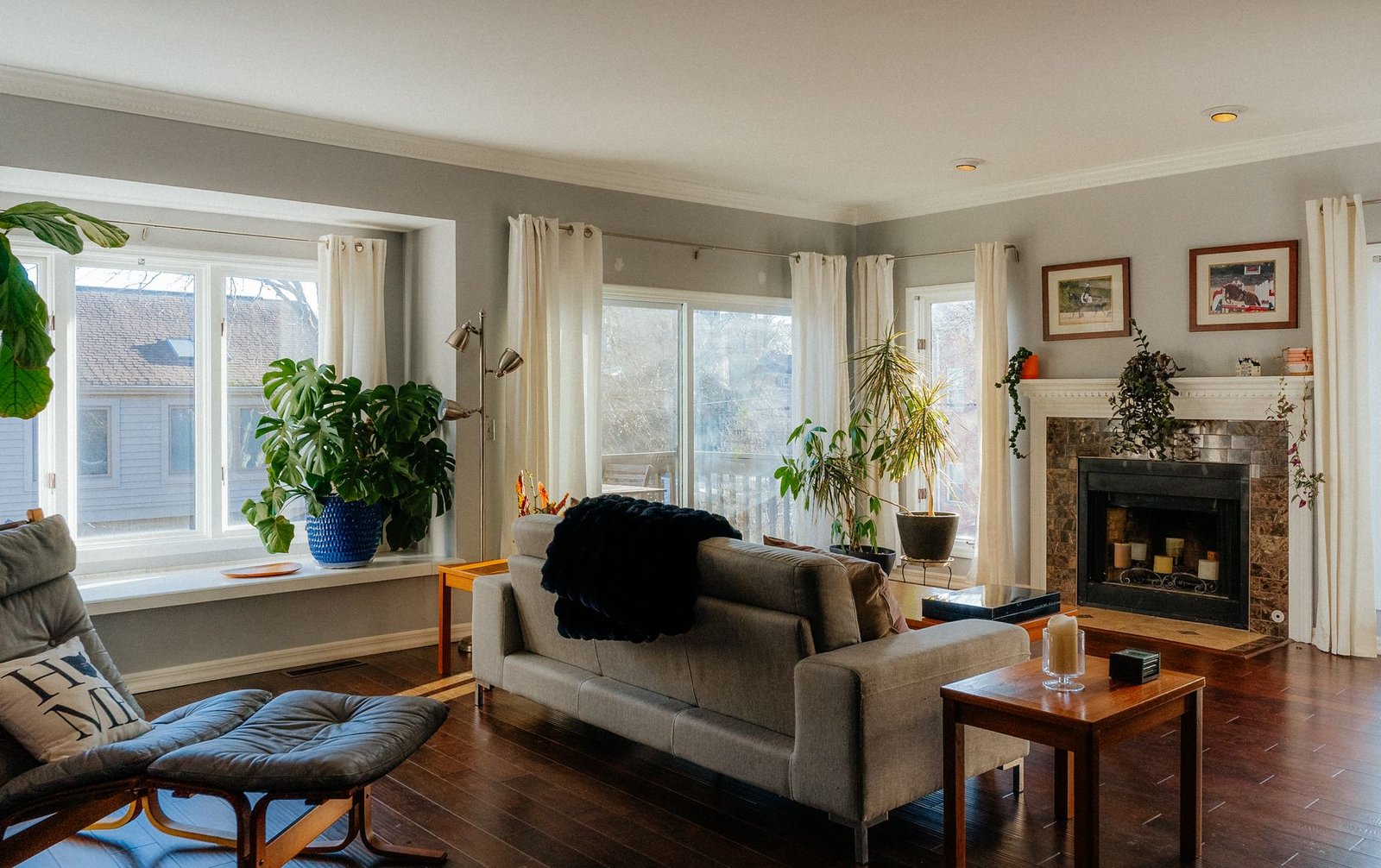
North-facing living rooms frequently present a distinct design challenge due to their limited exposure to direct sunlight, often resulting in a cooler, darker ambiance. However, transforming these spaces into bright, inviting havens is entirely achievable through strategic design choices and the intelligent application of modern materials and technologies. This guide offers practical, budget-friendly solutions to illuminate and invigorate any north-facing living area.
Understanding the North-Facing Light Challenge
North-facing rooms receive consistent, indirect light, which is often perceived as cooler and sometimes dim compared to the warm, direct glow from other orientations. This consistent, yet often insufficient, illumination means relying heavily on clever interior design principles to bounce, amplify, and supplement the available light, preventing the space from feeling gloomy or uninviting. By implementing targeted strategies, the homeowner can dramatically enhance the perceived brightness, warmth, and overall comfort of these areas, aligning with modern domestic comfort analytics for 2026.
Seven Brightening Tricks for North-Facing Living Rooms in 2026
1. Maximize Natural Light with Smart Window Treatments
The first critical step involves optimizing the natural light that does enter the room. Heavy drapes can significantly diminish available illumination. The resident should opt for sheer, translucent, or light-filtering window dressings. In 2026, advancements in smart fabrics offer sheer options with subtle reflective properties or enhanced light diffusion, maintaining privacy without sacrificing brightness. Materials with inherent thermal properties also contribute to comfort by regulating temperature. Roman blinds or cellular shades in pale colors, which can be fully recessed when open, are also excellent choices. Ensuring windows are meticulously clean, inside and out, further allows maximum light penetration and is a cost-effective immediate improvement.
2. Embrace Reflective and Light-Emitting Surfaces
Introducing surfaces that actively reflect light is crucial for visually expanding and brightening a north-facing space. Strategically placed large mirrors, particularly opposite windows or in darker corners, can work wonders, effectively doubling the perceived light and expanding the visual footprint of the room. High-gloss or satin paint finishes on trim, doors, or specific furniture pieces will bounce light around more effectively than matte counterparts. Metallic accents, such as brushed brass, polished chrome, or rose gold light fixtures and decor items, remain popular in 2026 for their ability to add sparkle and reflectivity. Glass-topped tables, acrylic furniture, and polished stone surfaces also contribute to an airy, light-filled feel.
3. Implement a Strategic Light-Enhancing Color Palette
Color choice is paramount. Dark, saturated hues will absorb what little light is available. The homeowner should select light, cool-toned neutrals and pastels for walls, ceilings, and large furniture pieces. Think crisp whites, soft greys, pale blues, and gentle greens. These colors have higher Light Reflectance Values (LRV), meaning they absorb less light and reflect more. For 2026, trending palettes often feature nuanced off-whites, warm greiges, and muted earthy tones (like sage green or soft terracotta) that still maintain a high LRV, providing warmth without sacrificing brightness. Even the ceiling should be painted a bright white or a shade lighter than the walls to visually lift the space. Low-VOC paints with enhanced light-reflecting pigments are also a modern material development to consider for superior performance.
4. Layered Lighting Design for Ambiance and Function
Since natural light is limited, a comprehensive artificial lighting plan is absolutely essential. This involves layering ambient, task, and accent lighting to create a balanced and inviting atmosphere.
- Ambient Lighting: A central ceiling fixture, such as recessed lighting, a flush mount, or a minimalist chandelier, provides overall illumination. Tunable white LED technology, prevalent in 2026, allows the resident to adjust the color temperature from a cooler daylight white (around 5000K) to a warmer evening glow (around 2700K), adapting to different needs and times of day.
- Task Lighting: Floor lamps, table lamps, and picture lights add focused illumination for reading, hobbies, or specific activities, reducing eye strain.
- Accent Lighting: Uplighters, wall sconces, or strategic spotlighting can highlight architectural features, artwork, or plants, adding depth, drawing the eye upwards, and creating a sense of height and drama.
Smart lighting systems are increasingly budget-friendly and offer effortless control over brightness, color temperature, and scheduling, significantly enhancing domestic comfort and energy efficiency.
5. Optimize Furniture Placement and Selection
Clutter and bulky, dark furniture can absorb light and make a room feel smaller and darker. The resident should opt for streamlined, lighter-colored furniture pieces. Positioning larger items away from windows ensures natural light isn’t obstructed. Furniture with exposed legs, glass elements, or open shelving creates a sense of openness and allows light to flow through the space. In 2026, modular and multi-functional furniture designs continue to be popular, offering flexibility and avoiding overly heavy silhouettes. Prioritizing vertical space with tall, narrow bookshelves rather than wide, imposing cabinets can also prevent visual heaviness and promote a sense of height. Upholstery in light textures and colors, such as linen, bouclé, or performance fabrics, further contributes to an airy feel.
6. Thoughtful Art and Decor Choices
Every decor item can contribute to the overall brightness of the room. Select artwork with light backgrounds, vibrant, cheerful colors, or reflective elements. Reflective frames, whether metallic or light-colored wood, can also help. Introducing biophilic design elements, such as strategically placed indoor plants with light-colored planters or even a small living wall, adds natural vitality without overwhelming the space. Consider textural elements like throws and cushions in light, soft fabrics (e.g., sustainable linen blends, organic cottons, or recycled materials trending in 2026) to add comfort and visual interest without introducing darkness. Avoiding excessive dark wood accents or heavy, pattern-rich textiles is also beneficial for maximizing light reflection.
7. External Landscaping and Exterior Elements
Sometimes, the solution to a dark living room lies just outside the window. As a landscape architect might advise, pruning overgrown trees or shrubs that block light from entering the north-facing windows can make a significant difference. For properties with direct access to an exterior view, consider light-colored exterior elements directly outside the window, such as a pale patio, light-colored gravel, or a bright garden wall. These surfaces can reflect ambient light back into the room, especially during overcast days. For apartment dwellers, ensuring window exteriors are consistently clean is equally important to maximize light intake. Strategic outdoor lighting, or