
The Evolving Landscape of Rental Decor in 2026
In 2026, the decision between wallpaper and paint for rental properties has become more nuanced than ever, with significant advancements in materials and application methods. For renters seeking to personalize their living spaces without jeopardizing their security deposit, removable wallpaper generally offers a superior, more flexible solution compared to traditional or even modern paint options. This advantage stems from its ease of application, damage-free removal, and the vast array of designs available, all tailored to the transient nature of rental agreements.
The current interior design landscape emphasizes flexibility, sustainability, and personal expression. Renters are increasingly looking for ways to imbue their temporary homes with style and comfort, mirroring long-term ownership. Manufacturers have responded with innovative products that meet these demands, making temporary decor solutions both practical and aesthetically pleasing. Understanding these developments is key for any resident contemplating a decor upgrade.
Removable Wallpaper: The 2026 Advantage
Removable wallpaper, particularly the peel-and-stick varieties, has seen exponential growth and technological refinement by 2026, making it an undeniable frontrunner for renters. These modern iterations are a far cry from their difficult-to-remove predecessors, offering both aesthetic appeal and practical benefits.
Technological Advancements and Material Quality
Contemporary removable wallpapers utilize advanced adhesives that are designed to bond securely to various wall surfaces without causing damage upon removal. Many formulations now incorporate eco-friendly, non-toxic materials, aligning with the growing demand for sustainable living. The prints themselves are often high-definition, offering textures and patterns that mimic expensive finishes, from exposed brick to intricate murals. Furthermore, certain brands now offer enhanced durability, with stain-resistant and even mildly scrubbable surfaces, making them suitable for high-traffic areas.
Ease of Application and Removal
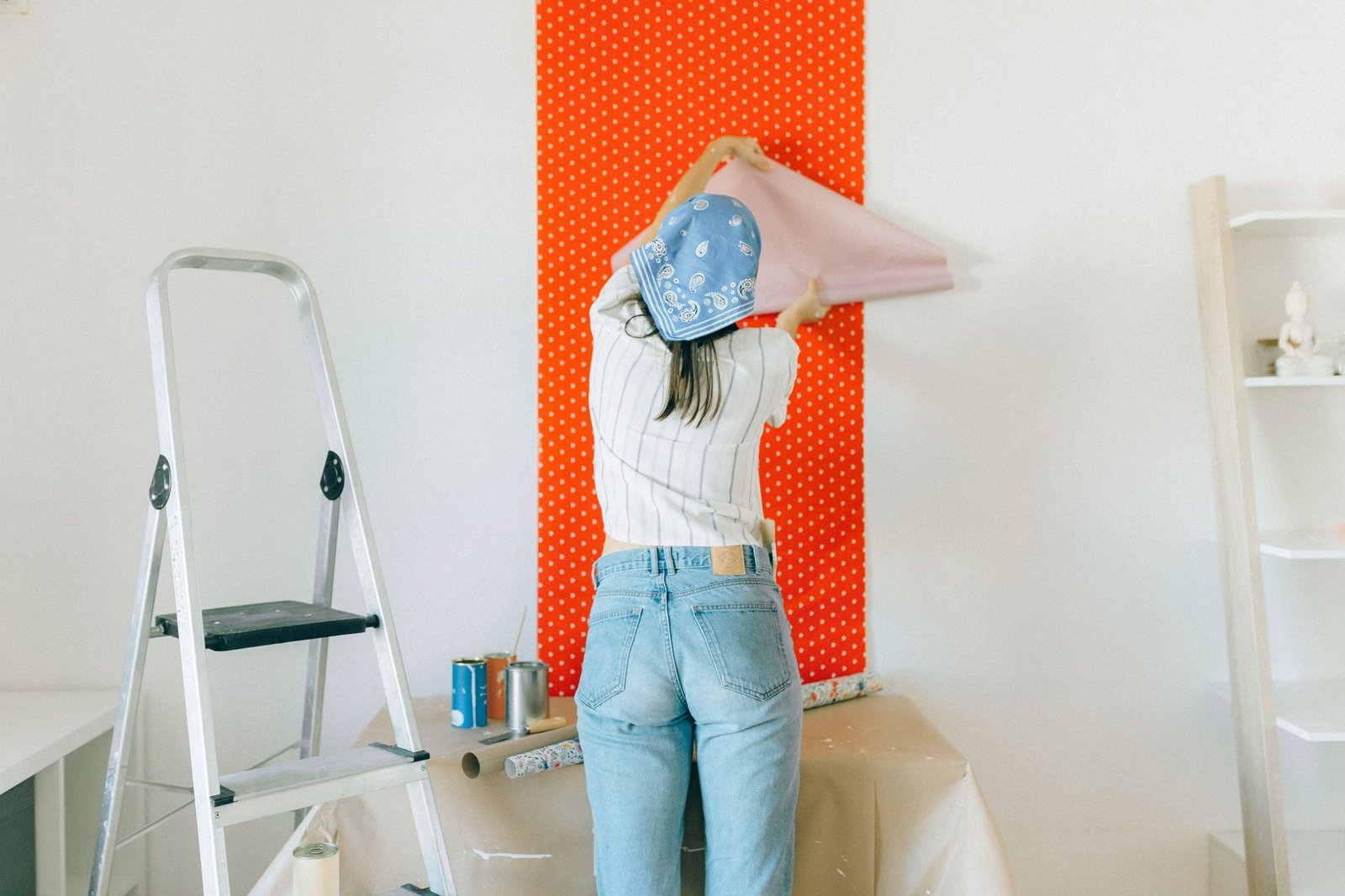
The self-adhesive nature of peel-and-stick wallpaper significantly simplifies the installation process. It requires minimal tools – typically a smoothing tool and a utility knife – and no messy glues or extensive surface preparation beyond cleaning. For the resident, this means a weekend project can transform a room without the need for professional help. Crucially, the removal process is equally straightforward: simply peel a corner and gently pull the paper off the wall. When done correctly, this leaves no residue, chips, or damage, safeguarding the security deposit.
Cost-Effectiveness and Design Versatility
While the initial cost per square foot for high-quality removable wallpaper can sometimes exceed that of basic paint, its overall value proposition for renters is strong. The absence of painting supplies, primer, painter’s tape, and potential professional labor offsets some of this difference. More importantly, the ability to change designs frequently without long-term commitment offers unparalleled design versatility. From bold geometric patterns to subtle textures, the user can experiment with trends or create a highly personalized aesthetic that might be difficult or costly to achieve with paint.
Paint Options for Renters: Modern Approaches
While removable wallpaper has surged in popularity, paint remains a classic choice. However, for renters in 2026, the consideration shifts from traditional painting to specific renter-friendly paint solutions and landlord agreements.
Low-VOC and Washable Paints
Modern paints prioritize indoor air quality and durability. Low-VOC (Volatile Organic Compound) paints are now standard, reducing harmful emissions during and after application. For renters who gain landlord approval to paint, choosing a high-quality, washable paint is advisable. These paints offer better longevity and allow for minor scuffs and marks to be cleaned without significant wear, which can be beneficial for maintaining the property’s condition throughout the tenancy.
The Challenge of Reversion
The primary hurdle with paint for renters is the expectation of reversion. Most lease agreements stipulate that walls must be returned to their original state, often meaning a specific neutral color. This necessitates repainting the entire room back to the original color before moving out, a time-consuming and labor-intensive task. Even if the original color is known, achieving a perfect match and consistent finish can be challenging, potentially leading to additional costs or deposit deductions.
Paint Alternatives: Temporary Coatings
A niche but growing market in 2026 includes temporary paint coatings designed to peel off. These products are still less common than removable wallpaper and often require specific application techniques to ensure clean removal. While they offer the advantage of traditional paint colors, their reliability for damage-free removal across all wall types is still under evaluation compared to the established efficacy of removable wallpapers. The resident considering these options should conduct thorough research and test applications.
Landlord-Friendly Decor: Navigating Lease Agreements
Regardless of the chosen decor method, communication and adherence to the lease agreement are paramount for renters.
Understanding Lease Clauses
Before any alteration, the resident must meticulously review the lease agreement for clauses related to wall alterations, painting, or decor. Many leases explicitly prohibit painting or require written permission. Some may permit wallpaper, particularly removable types, as long as no damage occurs. Clarity on these points can prevent misunderstandings and protect the security deposit.
The Importance of Communication
Even if the lease seems restrictive, open communication with the landlord is always recommended. Presenting a plan for using high-quality removable wallpaper, emphasizing its damage-free nature and the intent to restore the walls to their original condition, can often secure approval. Documenting the wall’s condition before application with photographs is also a crucial step for both wallpaper and paint projects.
Deposit Protection and Responsibility
The ultimate goal for the renter is to retrieve their full security deposit. Removable wallpaper generally poses a lower risk in this regard, provided it is applied and removed according to manufacturer instructions. For paint, the responsibility for professional-quality repainting and potential patching usually falls to the resident, which can be a significant undertaking.
Making the Informed Choice: Wallpaper or Paint?
For renters in 2026, the choice between wallpaper and paint largely depends on priorities: flexibility and ease of removal versus the desire for a permanent, albeit reversible, color change. Considering the rapid advancements in materials and the specific challenges of rental living, removable wallpaper emerges as the generally superior option.
- For Ultimate Flexibility and Zero Damage Risk: Removable wallpaper is the preferred choice. It allows for frequent aesthetic updates, introduces intricate patterns and textures, and ensures a straightforward, damage-free reversion to the original wall surface.
- For Classic Color Changes with Landlord Approval: Paint remains viable, but only with clear landlord permission and a solid plan for reverting the walls to their original state. The time and effort involved in repainting should be factored into the decision.
Ultimately, the user’s decision should be guided by their comfort with DIY projects, their budget, and most importantly, the specific terms of their rental agreement. By embracing modern solutions like high-quality removable wallpaper, residents can transform their rental spaces into personalized havens without the typical concerns associated with traditional wall treatments.