
Introduction: Conquering Laundry Room Clutter in 2026
Laundry room clutter can transform a functional utility space into a source of domestic frustration. For 2026 homes, achieving a tidy wash space is entirely within reach through strategic organization and the adoption of modern solutions. This article provides practical, space-saving, and budget-friendly organization methods designed to streamline the laundry routine and enhance the overall efficiency and aesthetic appeal of this essential area.
Understanding the common pain points—overflowing hampers, scattered detergents, and neglected folding areas—is the first step toward creating a truly organized environment. The solutions presented here leverage contemporary design principles and material innovations, ensuring longevity and adaptability for future needs.
The 2026 Laundry Landscape: Trends and Materials
The year 2026 ushers in a new era of home organization, particularly for utility spaces like the laundry room. Residents are increasingly prioritizing not only functionality but also aesthetics and sustainability. Modern material developments play a crucial role in these transformations. Expect to see widespread use of:
- Recycled Polymer Composites: Durable, lightweight, and often available in a spectrum of contemporary finishes, these materials are ideal for shelving, baskets, and storage containers, offering excellent moisture resistance.
- Sustainable Bamboo and Reclaimed Wood: For shelving, countertops, or decorative accents, these natural materials bring warmth and an eco-conscious touch, aligning with biophilic design trends that integrate nature into indoor spaces.
- Smart Textiles and Antimicrobial Fabrics: Used in hampers and liners, these materials resist odors and mildew, ensuring a cleaner environment.
- Modular and Customizable Systems: Driven by smart home integration, storage solutions are increasingly flexible, allowing residents to adapt layouts to their specific appliance configurations and spatial constraints.
- Integrated Lighting Solutions: Energy-efficient LED strips and motion-activated lighting enhance visibility within cabinets and beneath shelves, improving both function and safety.
The focus for 2026 is on creating multi-functional, adaptive spaces that can evolve with the homeowner’s needs, embracing minimalism and maximizing every square inch.
5 Smart Solutions for a Tidy 2026 Wash Space
Addressing laundry room clutter effectively requires a combination of smart planning and innovative products. These five solutions offer a comprehensive approach to organization.
1. Vertical Storage Optimization: Elevating Efficiency
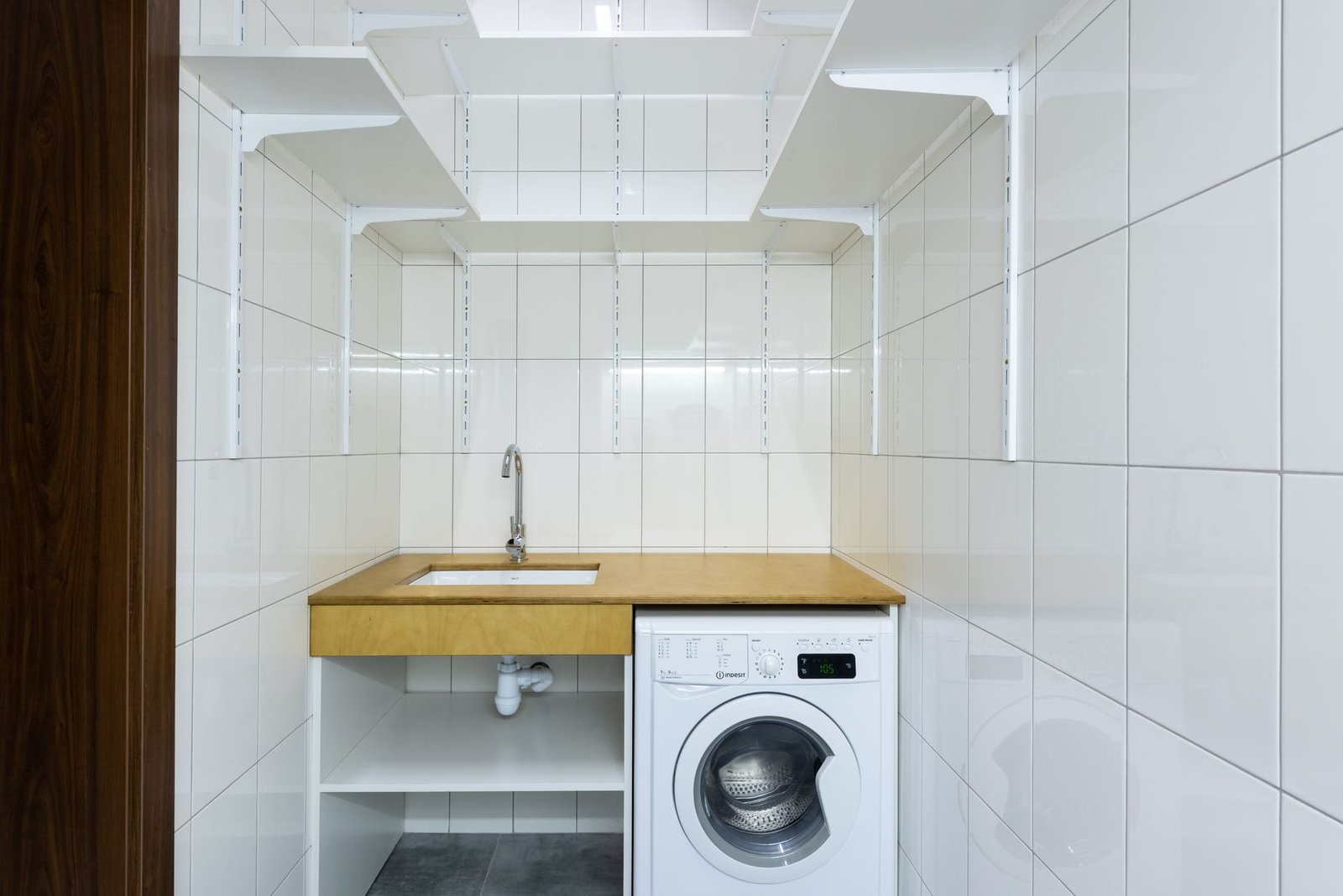
One of the most underutilized assets in any laundry room is vertical space. Maximizing this area can dramatically reduce countertop and floor clutter. Residents should consider installing floor-to-ceiling shelving units, wall-mounted cabinets, or pegboards. Modular shelving systems made from recycled polymer composites or lightweight aluminum are particularly effective for 2026, offering adjustability and robust support for detergents, stain removers, and linen supplies. Over-door organizers can also provide immediate additional storage for smaller items like dryer sheets or delicates bags without requiring permanent installation.
For those with compact appliances, a custom built-in unit that frames the washer and dryer can integrate pull-out drawers for laundry accessories and concealed compartments for less frequently used items. This creates a streamlined look and fully utilizes the area around major appliances.
2. Smart Sorting Systems: Streamlining Pre-Wash Routines
The pre-wash phase often contributes significantly to clutter, with dirty clothes accumulating in disorganized piles. Implementing a smart sorting system directly within the laundry room can alleviate this issue. This involves using multi-compartment hampers or a series of clearly labeled bins for different categories: lights, darks, delicates, and towels. Modern options include collapsible hampers made from antimicrobial fabrics or rigid bins crafted from recycled plastics, often designed to stack or slide under countertops.
Some advanced systems in 2026 even incorporate built-in sensors that can offer preliminary sorting suggestions via a connected home app, though simpler, physical labeling remains highly effective and budget-friendly. Locating these sorting stations close to the washing machine minimizes transfer time and prevents laundry from scattering across the floor.
3. Multi-Functional Furniture and Appliances: Maximizing Utility
In 2026, multi-functional items are key to maintaining a tidy and efficient laundry room, especially in smaller homes. Consider laundry centers that combine washing and drying capabilities in a single stacked unit, freeing up significant floor space. Alternatively, appliances designed with integrated storage or work surfaces can be beneficial. For example, some washing machine pedestals now include pull-out drawers for detergent or a built-in folding shelf.
A sturdy, wall-mounted folding table that can be stowed away when not in use is another excellent space-saver. If floor space permits, a rolling utility cart with multiple shelves or drawers can serve as a mobile folding station, storage for supplies, or a temporary catch-all for freshly laundered items awaiting put-away. These solutions allow the resident to perform multiple tasks in one area without dedicating permanent floor space to each function.
4. Concealed Storage Solutions: Aesthetic and Orderly
Visual clutter can be as disruptive as physical clutter. Employing concealed storage solutions helps maintain a clean, minimalist aesthetic. This involves using cabinets with solid doors, opaque storage bins, and decorative baskets to hide less attractive but essential items. For detergents and cleaning supplies, dispenser bottles with a uniform appearance can be decanted into from their original packaging, promoting a cohesive look while keeping bulk containers out of sight.
Built-in ironing board cabinets that fold away into the wall or behind a door are elegant solutions that prevent the ironing board from becoming a permanent fixture. Similarly, retractable drying racks that pull out from the wall or ceiling offer convenient air-drying options without constant visual presence. These methods ensure that the laundry room maintains an organized and serene atmosphere, even when fully equipped.
5. Digital Inventory and Smart Supply Management: Modernizing Maintenance
In 2026, leveraging technology for inventory management can proactively prevent clutter and ensure supplies are always at hand without overstocking. Residents can utilize simple spreadsheet applications or dedicated home inventory apps to track detergent levels, fabric softener quantities, and other consumables. Some smart appliances offer integrated features that monitor supply levels and can even auto-reorder, minimizing the need for physical storage of backup items.
For those without smart appliance integration, a small, laminated checklist affixed inside a cabinet door can serve a similar purpose, prompting reorders before items run out and preventing the accumulation of multiple half-empty bottles. This approach streamlines the reordering process and ensures that only necessary items are stored, reducing potential clutter from excess packaging and expired products.
Implementing a Clutter-Free Philosophy
Beyond specific products and systems, adopting a clutter-free philosophy is crucial for long-term organization. This involves regular decluttering sessions, adhering to the