
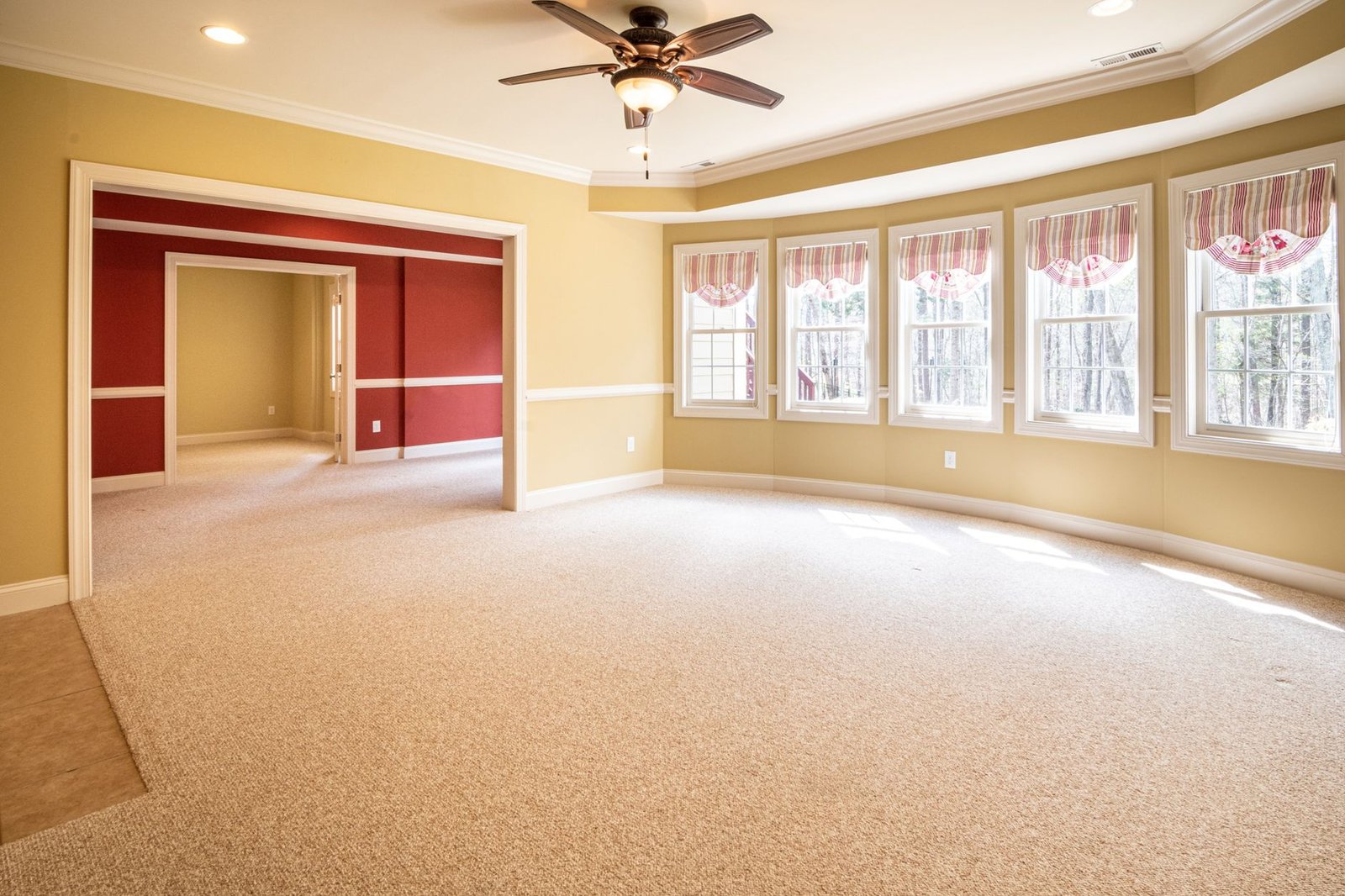
In the evolving landscape of interior design, the perennial question of how paint colors influence a room’s perceived size remains a cornerstone for homeowners aiming to optimize their living spaces. As of 2026, the general principle holds true: lighter paint colors predominantly create an illusion of greater spaciousness, reflecting more light and visually pushing walls outward. However, contemporary design approaches also leverage darker hues strategically to introduce depth and sophistication, challenging traditional notions in specific contexts.
Understanding the interplay between color, light, and perception is crucial for any resident embarking on a painting project. This article delves into the visual mechanics of light and dark palettes, incorporating the latest insights and material innovations relevant to the current year, to guide the homeowner in making informed decisions for their properties.
The Psychology of Light Colors and Expansiveness
Light paint colors, encompassing whites, creams, soft grays, and pale pastels, are celebrated for their ability to maximize a room’s perceived dimensions. This effect stems from their high light reflectance value (LRV).
How Light Colors Create Space:
- Maximized Light Reflection: Lighter surfaces reflect more ambient and natural light throughout a space. This abundance of light reduces shadows, making corners and edges appear less defined and causing walls to recede visually.
- Seamless Transitions: When walls and ceilings are painted in similar light shades, or even the same color, the visual breaks are minimized, creating a continuous flow that suggests an expansive, uninterrupted volume. This technique is particularly effective in spaces with lower ceiling heights.
- Perceived Openness: Light colors evoke feelings of airiness and openness, akin to an outdoor vista. This psychological association contributes significantly to the sensation of a larger, less confined area.
2026 Trends in Light Hues:
Current trends favor sophisticated neutrals with subtle undertones. Think warm beiges infused with a hint of rose, cool grays with a touch of blue, and muted greens that nod to biophilic design principles. Paint formulations in 2026 often incorporate advanced pigments that enhance light diffusion, alongside low-VOC (Volatile Organic Compound) and ultra-durable finishes, offering both aesthetic appeal and environmental consciousness. Smart paints with micro-ceramic beads are also gaining traction, further boosting light reflection and thermal insulation properties.
The Strategic Application of Dark Colors for Depth
While light colors are the go-to for maximizing perceived space, dismissing darker shades would overlook their profound potential. When applied thoughtfully, dark colors can introduce dramatic depth, create an intimate atmosphere, and even trick the eye into perceiving a room as larger through different means.
When Dark Colors Can Work:
- Creating Depth and Illusion: Dark colors absorb light, making walls appear to recede further. In a very small room, painting all walls a deep, uniform color can blur the boundaries of the room, removing distinct corners and creating a ‘cocoon’ effect that, paradoxically, can feel more expansive than a cramped light-colored room. This effect is often described as creating a ‘boundless’ space.
- Accentuation and Zoned Areas: Dark accent walls, particularly those with a matte or velvety finish, can draw the eye and add perceived length or height to a room. In open-plan living, strategically placed dark zones can define areas without physical barriers, giving an impression of multiple distinct, yet open, spaces.
- Architectural Features: Highlighting architectural elements like fireplace surrounds, built-in shelving, or deep window recesses with a darker color can add visual interest and a sense of luxury without overwhelming the entire space.
2026 Trends in Dark Palettes:
Rich, moody jewel tones like deep emerald, sapphire blue, and luxurious charcoal grays are prominent in 2026. These are often applied in highly pigmented, ultra-matte or subtle metallic finishes that absorb light to create a velvety texture, adding to the illusion of depth. Sustainable, plant-based dark pigments are also becoming more accessible, aligning with eco-conscious homeowner preferences. Innovative painting techniques, such as gradient walls transitioning from dark at the base to light at the ceiling, are also used to visually lift a room’s height.
Factors Beyond Color: Light, Texture, and Furnishings
The choice between light and dark paint is merely one component of a holistic design strategy. Several other elements significantly influence a room’s perceived size.
The Role of Lighting:
Natural light is paramount. Maximizing it through larger windows, minimal window treatments, and reflective surfaces (mirrors, polished metals) amplifies the effect of light-colored walls. For darker rooms, thoughtful artificial lighting, including uplighting, sconces, and task lighting, can prevent a space from feeling cave-like, enhancing its depth and interest.
Impact of Texture and Finish:
The finish of the paint plays a critical role. Matte finishes on dark walls absorb light, enhancing the depth, while high-gloss or semi-gloss finishes, even on dark colors, reflect light, adding a different kind of spaciousness through sparkle. Textured paints or wallpapers with subtle patterns can also add visual interest without making a room feel smaller, especially when monochromatic.
Furniture and Decor Choices:
Regardless of wall color, furniture scale, placement, and material choice are crucial. Opting for pieces that are proportional to the room, utilizing multi-functional furniture, and incorporating transparent or reflective materials (glass, acrylic) can prevent a space from feeling cluttered. Keeping floor space clear also significantly contributes to an expansive feel.
Conclusion: The Art of Perception in 2026
Ultimately, while lighter paint colors remain the most direct route to making a room look bigger by reflecting light and creating an open, airy atmosphere, the discerning homeowner in 2026 possesses a nuanced understanding of color psychology. Darker hues, when applied with intention and supported by strategic lighting and decor, offer a sophisticated alternative, creating depth and a unique sense of boundless intimacy rather than straightforward visual expansion. The decision hinges on the desired mood and function of the space, allowing for creative freedom within established design principles. By considering modern material advancements and embracing thoughtful design, residents can master the art of visual perception to craft truly captivating and comfortable interiors.