
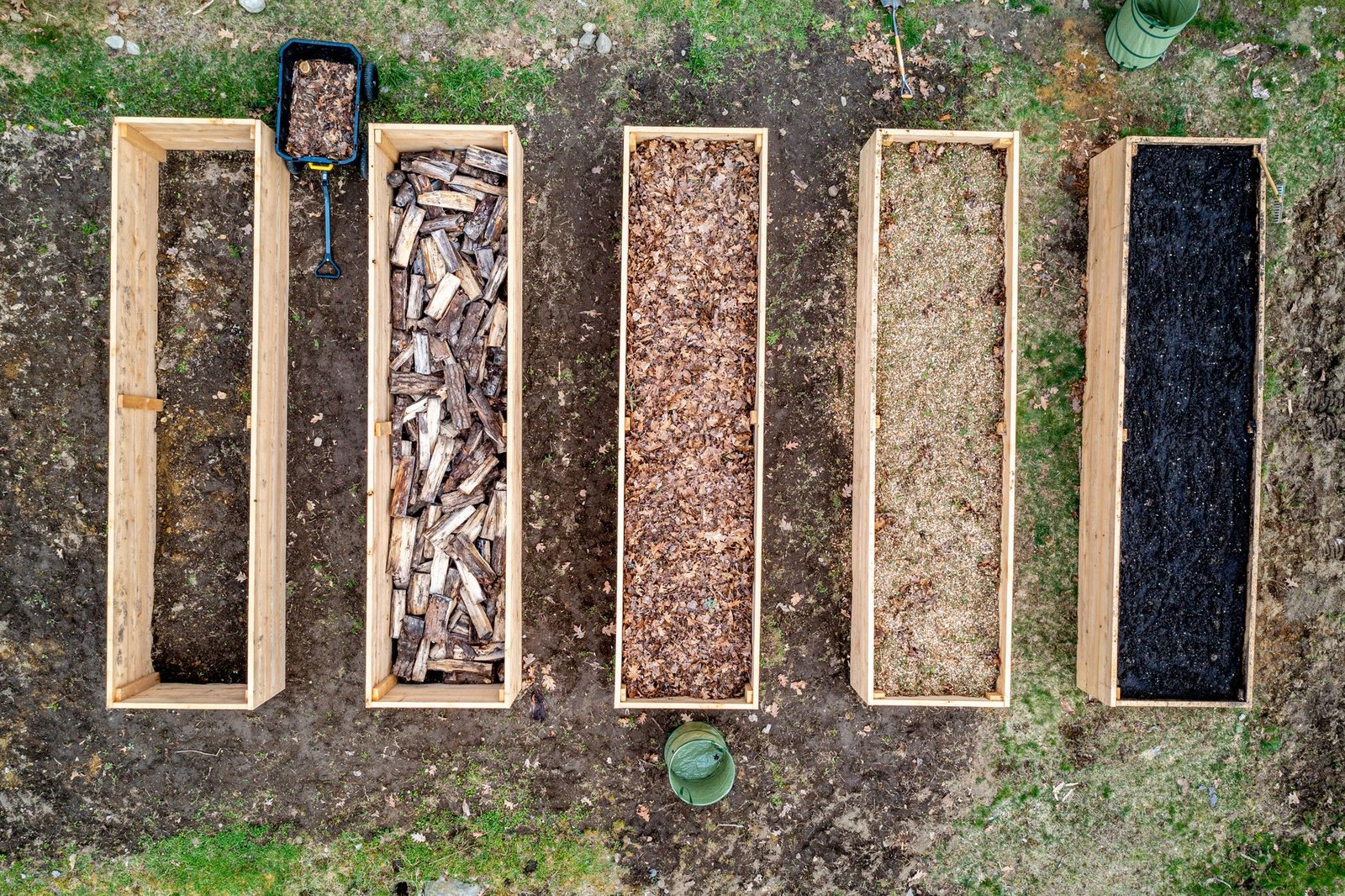
For homeowners and residents embracing the joys of raised garden bed cultivation in 2026, selecting the optimal material is paramount for ensuring a resilient and bountiful harvest over many seasons. While no single material holds a universal claim as the ‘best,’ the most suitable choice depends heavily on factors such as durability, cost, aesthetic integration, and specific climatic conditions. This comprehensive guide, informed by current industry trends and material science advancements, navigates the contemporary landscape of raised bed construction to assist in making an informed decision for lasting garden success.
Understanding Key Factors for Material Selection in 2026
Choosing a raised garden bed material in the current year, 2026, necessitates a holistic evaluation beyond mere initial appearance. The longevity and performance of the garden structure directly impact plant health and the resident’s long-term satisfaction.
Durability and Longevity
A primary consideration is the material’s resistance to environmental stressors. This includes decomposition from moisture, degradation from UV exposure, susceptibility to pest damage, and overall structural integrity over time. Materials that offer a lifespan of 15 years or more represent a significant long-term investment, minimizing the need for premature replacement.
Cost-Benefit Analysis
The initial purchase price of materials varies widely, but a true cost assessment incorporates labor for installation, potential maintenance expenses, and the projected lifespan. A higher upfront investment in a durable material can often translate to substantial savings and reduced hassle over two decades compared to cheaper, less robust alternatives requiring frequent repairs or replacement.
Plant Health and Soil Safety
The interaction between the raised bed material and the soil environment is critical. Historically, concerns about chemical leaching from certain treated woods prompted a shift towards safer alternatives. In 2026, material science ensures most modern options are inert, but considerations regarding temperature regulation (e.g., dark metals heating soil) are important for sensitive plant varieties.
Aesthetics and Integration
A raised garden bed often becomes a prominent feature within the landscape design. The material’s visual appeal should complement the existing outdoor aesthetic, whether seeking a rustic, modern, industrial, or traditional look. Manufacturers in 2026 offer an expansive palette of colors, textures, and finishes to meet diverse design preferences.
Sustainability and Environmental Impact
With increasing environmental awareness, the eco-footprint of materials is a growing concern. Options incorporating recycled content, sustainably harvested resources, or those with a minimal carbon footprint during production and disposal are increasingly favored. The availability of locally sourced materials can also reduce transportation emissions.
Contemporary Raised Bed Materials: A 2026 Comparison
The market in 2026 presents an array of advanced materials, each with distinct advantages and drawbacks for the discerning gardener.
Enhanced Composite Lumber
Trends: The latest composite lumber formulations feature advanced blends of recycled plastics and wood fibers, engineered for superior UV stabilization and structural integrity. Non-toxic, food-safe certifications are standard for reputable brands. Some innovations include integrated drainage channels.
- Pros: Extremely durable, impervious to rot, insects, and splintering. Requires virtually zero maintenance beyond occasional cleaning. Available in various colors and textures, mimicking natural wood. Excellent long-term value.
- Cons: Generally has a higher initial cost than most natural wood options. Darker colors can absorb and transfer significant heat to the soil in direct sun, which may necessitate specific plant choices or shading solutions for certain climates.
Corrugated Metal (Galvanized, Zincalume, Corten Steel)
Trends: Pre-fabricated kits with easy assembly are popular, as are beds featuring powder-coated finishes for a wider range of colors and enhanced corrosion resistance. Corten steel’s distinctive rust patina continues its appeal for industrial-chic and modern landscape designs.
- Pros: Exceptional durability and resistance to rot and pests. Galvanized or Zincalume-coated steel offers excellent rust resistance over many decades. Corten steel forms a stable, protective rust layer. Modern aesthetic appeal. Can act as a heat sink, benefiting cool-weather crops in colder climates (dark colors) or reflecting heat (light colors).
- Cons: Can be expensive, particularly Corten steel. Darker metals can cause significant soil overheating in hot, sunny climates without proper insulation or strategic plant placement. Edges require careful handling during installation.
Naturally Rot-Resistant Woods (Cedar, Redwood, Cypress)
Trends: A strong emphasis on sustainably harvested and certified lumber (FSC, SFI) is prominent. Pre-cut, interlocking kits simplify construction, and elevated designs are gaining popularity for ergonomic benefits.
- Pros: Offers a classic, natural aesthetic that blends seamlessly into most landscapes. These woods contain natural oils that deter insects and resist decay, typically lasting 10-20 years. They are non-toxic, making them ideal for organic gardening. Good insulation properties help regulate soil temperature.
- Cons: Higher initial cost compared to pressure-treated pine (which is not recommended for food gardening). Lifespan, while good, is generally shorter than composites or metals, and the wood will eventually weather and gray. Requires proper joining and sealing to maximize lifespan.
Stone, Brick, and Concrete Blocks
Trends: Modular, dry-stacking systems have simplified installation, allowing for intricate designs without mortar. Permeable block designs that allow for improved drainage are also emerging. Integrated seating or ledges are common in contemporary designs.
- Pros: Extremely durable and virtually permanent structures. Offer superior thermal mass, helping to stabilize soil temperatures. Provides a formal, stately aesthetic. Very low maintenance.
- Cons: Highest initial cost due to material expense and labor-intensive installation. Not easily relocated once constructed. Can create a more rigid look that may not suit all garden styles.
Emerging and Sustainable Materials (2026 Focus)
The drive for sustainability fuels innovation in raised bed materials:
- Recycled Plastic Lumber (Pure HDPE/LDPE): Offers similar benefits to composites but with a higher percentage of recycled content and often even greater inertness, making it an excellent zero-maintenance, food-safe option.
- Bamboo Composites: Engineered bamboo products, especially those with advanced weatherproofing, are gaining traction. They offer a renewable resource option with good strength and a unique aesthetic, though their long-term durability is still being refined for outdoor applications.
- Textile Grow Bags (Fabric): While not traditional ‘beds,’ heavy-duty fabric grow bags are a growing trend for their portability, excellent aeration, and temporary nature, ideal for urban gardeners or those with changing landscape needs.
Making the Informed Choice for 2026
The ultimate selection of a raised garden bed material in 2026 should align with the specific needs and aspirations of the resident and the garden environment.
Climate Considerations
For regions with intense summer heat, lighter-colored metal beds or materials with good insulation like natural wood or thick composites can help prevent root overheating. In colder climates, darker materials with thermal mass (stone, dark metal) can extend the growing season by absorbing and radiating heat.
Plant Selection
Consider the specific plants intended for cultivation. Heat-sensitive greens might suffer in dark metal beds in full sun, while heat-loving tomatoes could thrive. Root depth and moisture requirements should also guide material choice, ensuring the chosen bed can support the desired ecosystem.
Budget and Installation Skill
Homeowners comfortable with DIY projects might find cost savings with wood or certain modular block systems. For a completely custom or highly durable solution, professional installation of stone or large metal beds might be a better investment, ensuring longevity and structural integrity.
The Basisblog Recommendation Matrix for Durability and Value:
- For Maximum Durability and Minimal Maintenance (25+ years): Recycled Plastic Lumber, Enhanced Composite Lumber, Corrugated Zincalume/Galvanized Steel, Stone/Brick.
- For Balanced Durability and Natural Aesthetic (10-20 years): Western Red Cedar, Redwood, Cypress.
- For Modern Aesthetic and High Durability (15-25 years): Corten Steel.
In conclusion, the ‘best’ raised garden bed material for a long-lasting harvest in 2026 is a nuanced decision, influenced by the resident’s priorities for durability, aesthetic preferences, budget, and local climate. By carefully weighing the advantages of contemporary composite lumber, advanced metals, sustainably sourced woods, and permanent masonry, the homeowner can select a foundation that not only enhances the garden’s productivity but also contributes to the overall beauty and sustainability of the outdoor living space for decades to come.