
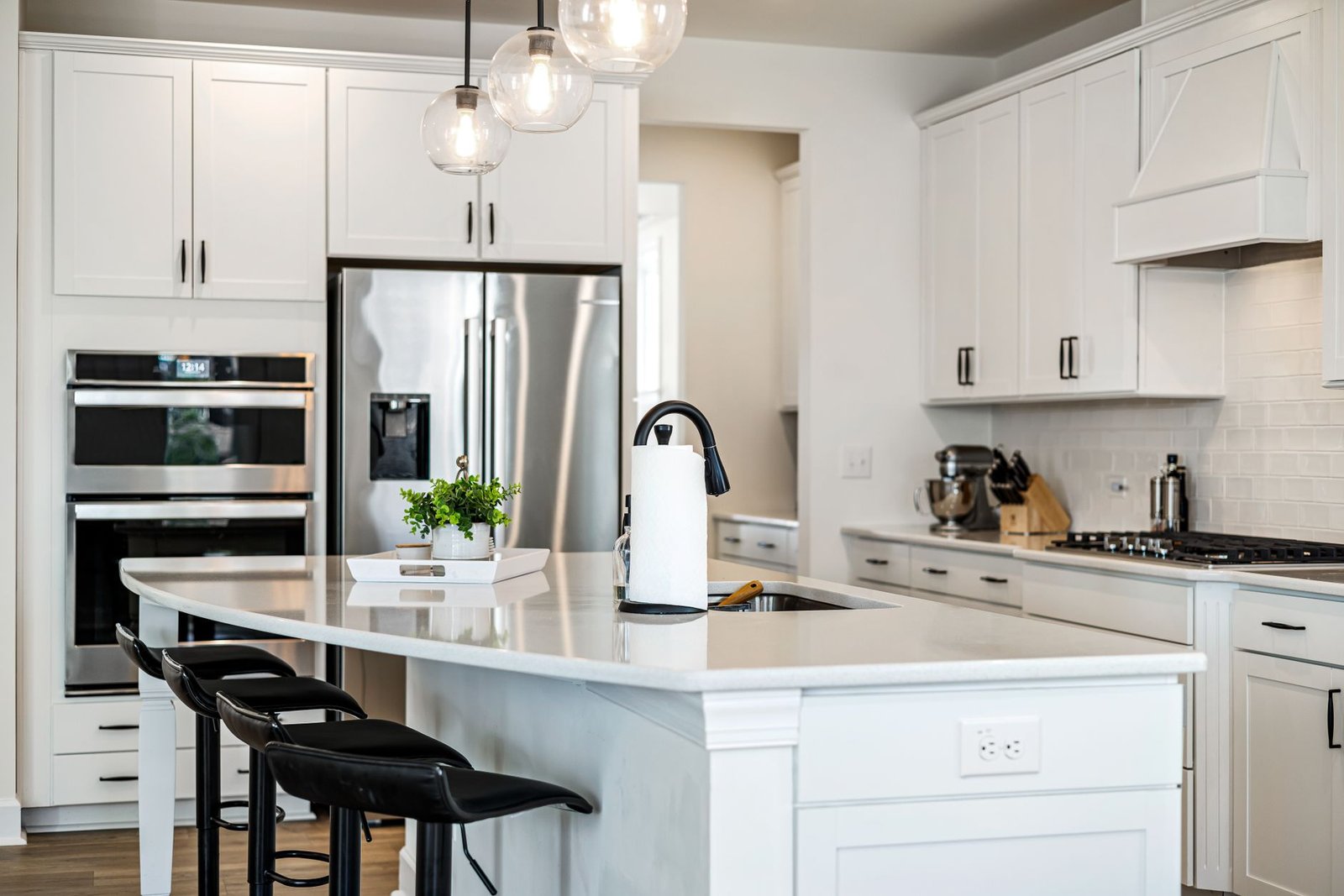
For 2026 kitchens, the choice between marble and quartz depends entirely on the homeowner’s priorities regarding aesthetics, functionality, and long-term commitment. While marble offers timeless natural elegance, quartz provides unparalleled durability and consistency, making both formidable contenders in contemporary design. The optimal material selection hinges on understanding each option’s unique attributes and how they align with specific lifestyle requirements and design visions for the year ahead.
The Enduring Allure of Natural Marble in 2026
Marble, a metamorphic rock sculpted by nature, continues to be a benchmark for luxury and sophistication in interior design. Its inherent uniqueness, with each slab presenting a distinct veining pattern, ensures that no two marble countertops are ever identical, offering a bespoke element to any kitchen.
Aesthetic Appeal and Design Trends
The classic, opulent look of marble remains highly coveted. In 2026, design trends continue to embrace its organic beauty, often favoring honed or satin finishes over high polish to achieve a softer, more inviting aesthetic. While iconic patterns like Calacatta and Carrara are still prevalent, there is a growing appreciation for more subtle, understated veining and neutral tones that seamlessly integrate with biophilic design principles – connecting indoor spaces with the natural world. Marble’s ability to imbue a sense of history and permanence makes it a top choice for homeowners creating truly bespoke and luxurious kitchen environments.
Durability and Performance Considerations
As a natural stone, marble possesses distinct characteristics regarding durability. It is a relatively softer stone compared to granite or quartz, making it more susceptible to scratches and chipping under heavy impact. A primary consideration is its porosity; marble is prone to etching when exposed to acidic substances like lemon juice, vinegar, or certain cleaning agents, which dulls the surface. Staining is also a risk if spills, particularly oils or dark liquids, are not promptly addressed. For 2026, advancements in sealing technologies have provided homeowners with improved, though not infallible, protection against these issues. Modern penetrating sealers offer enhanced resistance, extending the periods between re-sealing applications and bolstering the material’s resilience to daily kitchen activities.
Maintenance Requirements
Maintaining marble requires a level of commitment from the homeowner. Regular sealing is essential, typically on an annual or bi-annual basis, depending on the sealer type and kitchen usage. Immediate wipe-up of spills is crucial to prevent staining and etching. Specialized, pH-neutral cleaners are recommended to avoid damaging the stone’s surface. Many residents embrace the development of a natural patina over time – minor etch marks or subtle discolorations that tell the story of the kitchen’s use – viewing it as part of marble’s charm rather than a flaw. However, for those desiring an immaculate surface, the maintenance regimen is more rigorous.
Cost Implications
Marble typically represents a higher initial investment compared to many other countertop materials. Its cost is influenced by the rarity of the specific marble variety, the complexity of quarrying, transportation from often distant sources, and the intricate fabrication and installation processes. Varieties like Statuario or Calacatta can command premium prices over more common Carrara marbles. The higher upfront cost is often balanced by marble’s perceived value and its timeless aesthetic contribution to a property.
The Engineered Excellence of Quartz for Modern Kitchens
Quartz countertops are engineered surfaces composed primarily of ground quartz crystals (typically 90-95%) mixed with polymeric resins, pigments, and sometimes metallic flecks or recycled glass. This manufacturing process allows for immense control over the final product’s appearance and performance.
Aesthetic Versatility and 2026 Innovations
One of quartz’s most significant advantages is its incredible aesthetic versatility. Manufacturers can create a vast array of colors, patterns, and finishes, from solid hues to designs that remarkably mimic the intricate veining of natural marble or the granular texture of granite. For 2026, innovations in quartz manufacturing have pushed realism to new heights, with hyper-realistic natural stone replications becoming increasingly sophisticated, often indistinguishable from their natural counterparts to the untrained eye. Trends include matte and textured finishes that add tactile interest, along with larger slab sizes that facilitate seamless installations across expansive island units. Furthermore, smart home integration is emerging, with some quartz manufacturers exploring embedded wireless charging zones or touch-sensitive controls directly within the countertop surface.
Unmatched Durability and Resilience
Quartz is celebrated for its outstanding durability and resilience. Its non-porous nature makes it highly resistant to staining, eliminating the need for sealing. The high quartz content provides superior scratch and impact resistance, making it an ideal choice for busy, high-traffic kitchens. While quartz is highly heat resistant, direct and prolonged exposure to extreme heat, such as placing a very hot pot directly from the stove, can potentially damage the resins, leading to discoloration or cracking. Therefore, the use of trivets is still recommended to preserve the surface integrity over time. This robust performance makes quartz a practical and long-lasting choice for the active resident.
Simplified Maintenance
The non-porous composition of quartz translates directly into significantly simplified maintenance. Unlike marble, quartz never requires sealing. Cleaning is effortless, typically requiring only mild soap and water or a general household cleaner. Its non-absorbent surface also inhibits the growth of bacteria and mold, contributing to a more hygienic kitchen environment. This low-maintenance aspect is a considerable draw for homeowners seeking convenience without compromising on aesthetics or performance.
Cost-Effectiveness
The pricing of quartz countertops is generally more predictable and, in many cases, more accessible than that of premium natural marble. While certain high-end quartz designs that mimic rare stones can rival marble in cost, it typically offers a broad range of price points, making it a viable option for a wider spectrum of budgets. The long-term value proposition of quartz is strong, driven by its exceptional durability and minimal maintenance requirements, which can offset the initial investment over the lifespan of the kitchen.
Making the Optimal Choice for a 2026 Kitchen
The decision between marble and quartz ultimately boils down to a thorough evaluation of the homeowner’s specific needs, aesthetic preferences, and lifestyle.
Lifestyle and Usage
For kitchens experiencing heavy daily use, frequent cooking activities, and a desire for a near-indestructible surface, quartz presents a compelling case. Its resilience to stains, scratches, and its low maintenance make it an ideal choice for busy households. Conversely, for residents who appreciate natural materials, are willing to commit to a more attentive maintenance routine, and embrace the organic evolution and patina of a surface over time, marble remains an unparalleled option.
Design Vision and Atmosphere
When the design vision calls for an inherently unique, opulent, and historically rich aesthetic that only natural stone can provide, marble is often the preferred choice. Its genuine variations and veining patterns create a sense of singular luxury. However, for those seeking a highly consistent look, specific color matching, or a sleek, contemporary design that demands uniform perfection, quartz offers greater control and a vast palette of options to achieve precise design objectives. The ability of modern quartz to faithfully replicate natural stone patterns also provides a strong alternative for homeowners desiring the look without the inherent maintenance of marble.
Budget and Long-Term Value
Budgetary considerations play a significant role. Homeowners with a flexible budget prioritizing a truly bespoke, high-end natural aesthetic might gravitate towards marble, recognizing its initial investment and ongoing care requirements. Those prioritizing high performance, minimal maintenance, and excellent value over time will find quartz highly appealing. The advancements in quartz technology for 2026 mean that homeowners no longer need to significantly compromise on aesthetic beauty to achieve superior functionality.
In conclusion, neither marble nor quartz is objectively ‘better’; rather, each excels in different domains. The optimal choice for a 2026 kitchen hinges on aligning the homeowner’s priorities regarding aesthetic purity versus practical resilience, commitment to maintenance versus effortless care, and upfront investment versus long-term value. A comprehensive assessment of these factors will guide the resident towards a satisfying and functionally superior countertop solution for their modern culinary space.