The Biophilic Imperative: Integrating Nature for 2026 Living
In 2026, the architectural landscape is increasingly defined by a profound reconnection with the natural world. Biophilic design, once considered a niche trend, has solidified its position as a fundamental philosophy in contemporary architecture and interior design. This approach centers on integrating natural elements and processes into built environments, recognizing the intrinsic human need for connection with nature. For the resident, this translates into living spaces that are not only visually captivating but also profoundly beneficial for well-being. The focus extends beyond mere aesthetics, encompassing significant advancements in air quality, psychological comfort, and environmental sustainability.
As urban density continues to rise and digital interfaces dominate daily life, the strategic infusion of living green elements within structural living spaces offers a vital antidote. This article details the innovative ways plants are being integrated into 2026 architecture, leveraging modern material developments and industry trends to create harmonious, healthy, and high-performing environments for the homeowner.
Elevating Well-being and Aesthetics Through Flora
Enhanced Air Quality and Health
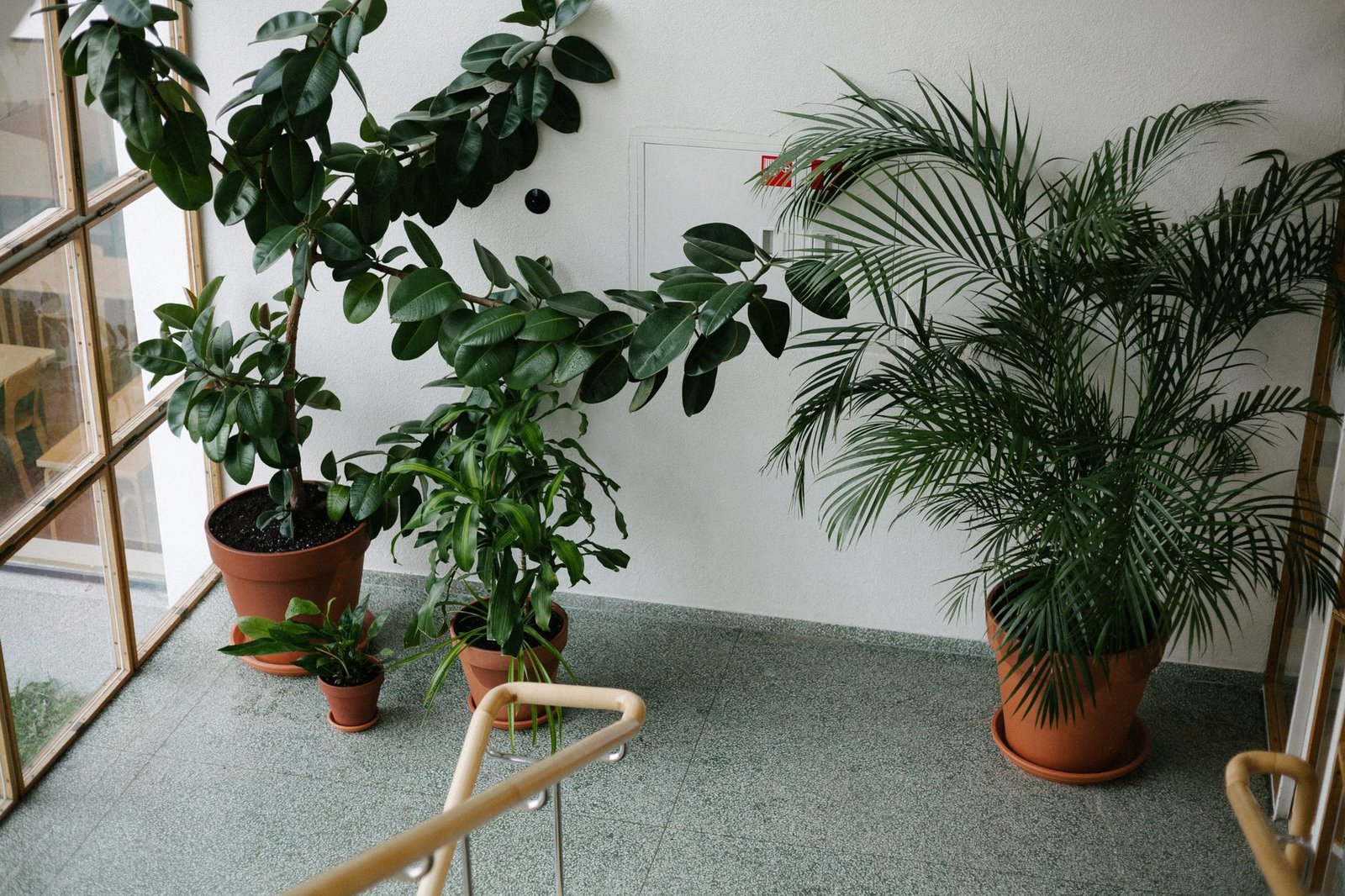
The presence of indoor plants significantly contributes to superior indoor air quality, a critical component of a healthy home. Plants act as natural air purifiers, absorbing common indoor air pollutants such as Volatile Organic Compounds (VOCs) like formaldehyde, benzene, and trichloroethylene, which are often emitted from furnishings, cleaning products, and building materials. Through photosynthesis, plants convert carbon dioxide into oxygen, subtly but consistently replenishing the air. Research continues to validate the capacity of specific plant species—such as the
Snake Plant (Sansevieria trifasciata)
,
Peace Lily (Spathiphyllum)
, and
Pothos (Epipremnum aureum)
—to efficiently metabolize these harmful compounds. In 2026, advanced filtration systems often work in conjunction with biophilic elements, creating a multi-layered approach to atmospheric purification that benefits the resident’s respiratory health and overall vitality.
Visual Harmony and Tranquility
Beyond their practical benefits, plants are indispensable for enhancing visual aesthetics. They introduce organic forms, varied textures, and vibrant colors that soften the often-rigid lines of modern architecture. The dynamic interplay of light and shadow on foliage creates a calming, ever-changing visual spectacle. For the homeowner, this natural visual stimulation can reduce mental fatigue, improve focus, and induce a sense of tranquility. Plants strategically placed can delineate spaces, add depth, and serve as natural focal points, transforming sterile interiors into inviting, vibrant habitats. The visual connection to nature has been shown to lower stress levels and foster a greater sense of peace and belonging within the dwelling.
Cutting-Edge Integration Strategies for 2026
Living Walls and Vertical Gardens
Vertical gardens, or living walls, represent one of the most impactful biophilic interventions in contemporary architecture. In 2026, these installations feature sophisticated, lightweight modular systems constructed from recycled plastics and advanced composite materials, making them suitable for both interior and exterior applications without compromising structural integrity. Integrated automated drip irrigation and nutrient delivery systems, often controlled by
IoT sensors
, ensure optimal plant health with minimal manual intervention. Some systems now incorporate bio-mimicry, simulating natural hydrological cycles. For the resident, vertical gardens offer a dramatic aesthetic statement, improve thermal regulation of buildings, and efficiently utilize vertical space, making them ideal for urban environments where floor space is at a premium.
Seamless Integrated Planters
The trend for 2026 sees planters moving beyond standalone pots to become intrinsic architectural features. This involves custom-built joinery that integrates planters directly into walls, shelving units, kitchen islands, and even flooring. These bespoke solutions often feature hidden reservoirs for self-watering and advanced substrate mixtures designed for sustained plant health. The seamless integration ensures a clean, cohesive aesthetic, blurring the lines between built structure and living organism. For the homeowner, these integrated solutions provide a sophisticated, low-maintenance way to incorporate significant greenery, appearing as an organic extension of the building itself.
Atriums and Bespoke Green Spaces
For larger residential or communal architectural projects, atriums and internal courtyards are being designed as climate-controlled micro-ecosystems. These grander integrations facilitate the growth of larger trees and diverse plant palettes, often incorporating water features for added sensory engagement. Advanced environmental controls manage humidity, temperature, and light, creating ideal growing conditions year-round. These bespoke green spaces serve as central hubs for well-being, providing abundant natural light and a profound connection to nature for all residents, enhancing communal living and individual solace.
Innovations in Materials and Technology
Smart Planters and IoT Integration
The year 2026 marks a new era for plant care with the proliferation of smart planters and
IoT (Internet of Things) integration
. These intelligent systems monitor crucial environmental parameters such as soil moisture, nutrient levels, light exposure, and air temperature. Data is relayed via smartphone applications, allowing the user to monitor plant health remotely. Many systems feature automated watering and nutrient delivery, adjusting schedules based on real-time data and plant-specific requirements, often leveraging
AI-driven algorithms
for predictive care. This technological leap significantly reduces the maintenance burden, ensuring thriving plant life for even the busiest homeowner.
Sustainable Planter Materials
Sustainability continues to drive material innovation. 2026 sees a rise in planters crafted from
recycled and biodegradable materials
, including recycled ocean plastics, mycelium composites (mushroom-based materials), and bio-based polymers. These materials offer durability and aesthetic appeal while minimizing environmental impact. The emphasis is on circular economy principles, with manufacturers increasingly offering take-back and recycling programs for end-of-life products. For the eco-conscious resident, these options align with a commitment to sustainable living.
Advanced Horticultural Lighting
Energy-efficient and aesthetically refined, full-spectrum LED grow lights are central to successful indoor plant integration. In 2026, these lights are seamlessly integrated into architectural fixtures, often concealed within shelving or ceiling coves to provide optimal light wavelengths for plant growth without compromising interior aesthetics.
Tunable white light LEDs
allow the user to adjust color temperature and intensity, supporting both plant photosynthesis and human circadian rhythms. These advancements enable lush plant growth in areas with limited natural light, expanding the possibilities for biophilic design.
Navigating Plant Selection and Maintenance
Strategic Plant Choices
Selecting the right plants is paramount for successful biophilic design. Considerations include the available light conditions, humidity levels, and the homeowner’s desired maintenance commitment. Popular choices for low-light conditions include
ZZ Plants (Zamioculcas zamiifolia)
and
Cast Iron Plants (Aspidistra elatior)
. For brighter spaces,
Fiddle Leaf Figs (Ficus lyrata)
and
Monstera deliciosa
offer significant visual impact. Air plants
(Tillandsia)
provide unique textural elements with minimal root requirements. Consulting with a landscape architect or interior designer specializing in biophilic design can ensure that plant selections are appropriate for the specific microclimates within a residence.
Automated Care and Expert Services
While smart planters and integrated systems significantly reduce maintenance, large-scale biophilic installations often benefit from professional care services. The industry in 2026 offers specialized plant care and maintenance plans, including scheduled visits for pruning, pest management, and nutrient replenishment. Automated systems, while advanced, still require oversight, and professional services ensure the longevity and vitality of intricate green features, allowing the homeowner to enjoy the benefits without the operational burden.
The Future of Green Living
Biophilic design, with its emphasis on integrating living green elements, is more than a design trend; it is a fundamental shift towards creating healthier, more humane living environments. In 2026, powered by technological advancements, sustainable materials, and a deeper understanding of human-nature connection, biophilic architecture provides residents with spaces that actively contribute to their physical and psychological well-being. From air purification to visual serenity, the strategic integration of indoor plants into contemporary architecture offers a powerful blueprint for the future of domestic comfort and sustainable living, ensuring that homes are not just structures, but thriving ecosystems.