
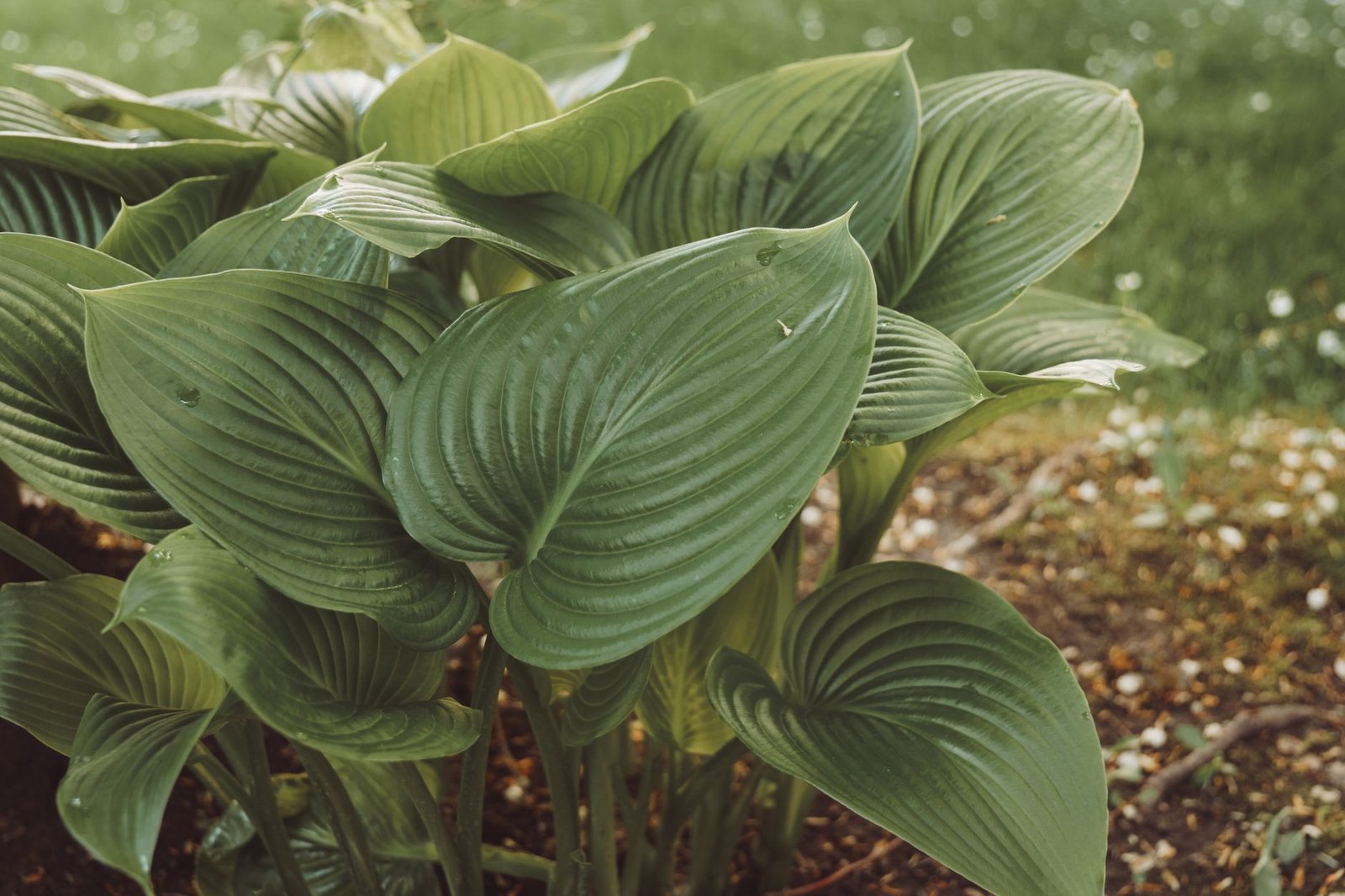
For homeowners seeking to protect their shaded garden sanctuaries from deer in 2026, the optimal approach combines strategic plant selection with modern deterrent technologies. The best deer-resistant landscaping for shade relies on a curated palette of unpalatable plants, integrated with smart perimeter solutions and sustainable design principles, ensuring a vibrant, deer-free environment without the need for obtrusive fencing. This article identifies top deer-resistant plants and cutting-edge landscaping strategies suitable for shady areas, helping gardeners safeguard their greenery effectively in the current year.
Understanding Deer Behavior and Habitat in Shady Zones
Effective deer-resistant landscaping begins with a thorough understanding of deer habits. Deer, particularly in suburban and exurban areas, are opportunistic browsers. Shaded areas often provide critical cover and cooler temperatures, making them appealing travel corridors and resting spots. The presence of lush foliage in these zones can be an irresistible invitation for foraging.
Deer Foraging Habits and Shaded Areas
Deer possess an acute sense of smell and a selective palate, though their preferences can shift based on food availability and regional factors. Young, tender growth is often preferred, but during periods of scarcity, deer will broaden their diet to include plants typically considered resistant. Shady gardens, often rich in hostas, impatiens, and other deer favorites, become prime targets. Understanding these patterns is crucial for preemptive protection.
The Impact of Urbanization on Deer Activity
As urban sprawl continues in 2026, deer populations are increasingly adapting to human-populated environments. This adaptation means a higher likelihood of deer venturing into residential yards, including shaded sections. Consequently, passive deer deterrence methods are becoming less effective, necessitating a more proactive and integrated approach to landscaping and garden protection.
Top Deer-Resistant Plants for Shady Landscapes in 2026
Selecting the right plants is the cornerstone of any deer-resistant strategy. In 2026, the emphasis remains on plants that are naturally unpalatable due to strong scents, bitter tastes, or rough textures. Advances in horticulture have also introduced hardier, more resilient cultivars.
Evergreen Perennials and Groundcovers
- Hellebores (Helleborus spp.): Also known as Lenten Rose, these plants are reliably deer-resistant, offering late winter to early spring blooms. Modern hybrids boast a wider range of colors and double flowers.
- Foamflower (Tiarella cordifolia): A native groundcover with delicate white flower spikes and attractive foliage, Tiarella is an excellent choice for woodland shade gardens.
- Bleeding Heart (Dicentra spectabilis): The classic heart-shaped flowers are instantly recognizable, and deer typically avoid this elegant shade perennial. Newer varieties offer extended bloom times.
- Barrenwort (Epimedium spp.): This tough, drought-tolerant groundcover is a fantastic deer-resistant option, providing delicate flowers and attractive foliage that often turns bronze in autumn.
- Ferns (various species): Most ferns are highly deer-resistant. Varieties such as Christmas Fern (Polystichum acrostichoides) and Lady Fern (Athyrium filix-femina) thrive in shade and add textural interest.
Deciduous Shrubs for Structure and Interest
- Inkberry Holly (Ilex glabra): An evergreen shrub offering glossy green leaves and a dense habit, similar in appearance to boxwood but deer-resistant. It tolerates various soil conditions.
- Fothergilla (Fothergilla gardenii): A native shrub celebrated for its fragrant, bottlebrush-like spring flowers and brilliant autumn foliage. It adds seasonal interest without attracting deer.
- Sweet Pepperbush (Clethra alnifolia): Known for its fragrant white flower spikes in summer, this native shrub thrives in moist shade and is generally ignored by deer.
- Mahonia (Mahonia aquifolium): With its spiky, holly-like leaves and fragrant yellow flowers, Mahonia provides year-round interest and is a formidable deterrent.
Annuals and Seasonal Color
- Impatiens hawkeri (New Guinea Impatiens): While traditional impatiens (Impatiens walleriana) are deer candy, New Guinea Impatiens are much less appealing. Modern breeding has created disease-resistant varieties for 2026.
- Coleus (Coleus scutellarioides): Valued for its vibrant foliage in a myriad of colors and patterns, coleus is consistently deer-resistant and thrives in shade.
- Tuberous Begonias (Begonia x tuberhybrida): Offering spectacular blooms in shade, tuberous begonias are generally left alone by deer, providing reliable seasonal color.
Native Plant Spotlight: Resilience and Ecology
Incorporating native deer-resistant plants not only provides effective deterrence but also supports local ecosystems and requires less maintenance. For 2026, a significant trend in landscape design is leveraging native species for their inherent resilience and ecological benefits. Examples include Foamflower, Sweet Pepperbush, and various native ferns, which are naturally adapted to regional conditions and less prone to pest and disease issues, further reducing maintenance for the resident.
Advanced Landscaping Strategies for Deer Deterrence
Beyond plant selection, strategic design and modern innovations are key to creating a truly deer-resistant landscape.
Layered Planting and Texture
Creating a layered landscape with a mix of heights and textures can disorient deer and make an area less appealing for foraging. Placing highly unpalatable plants at the perimeter or as a