
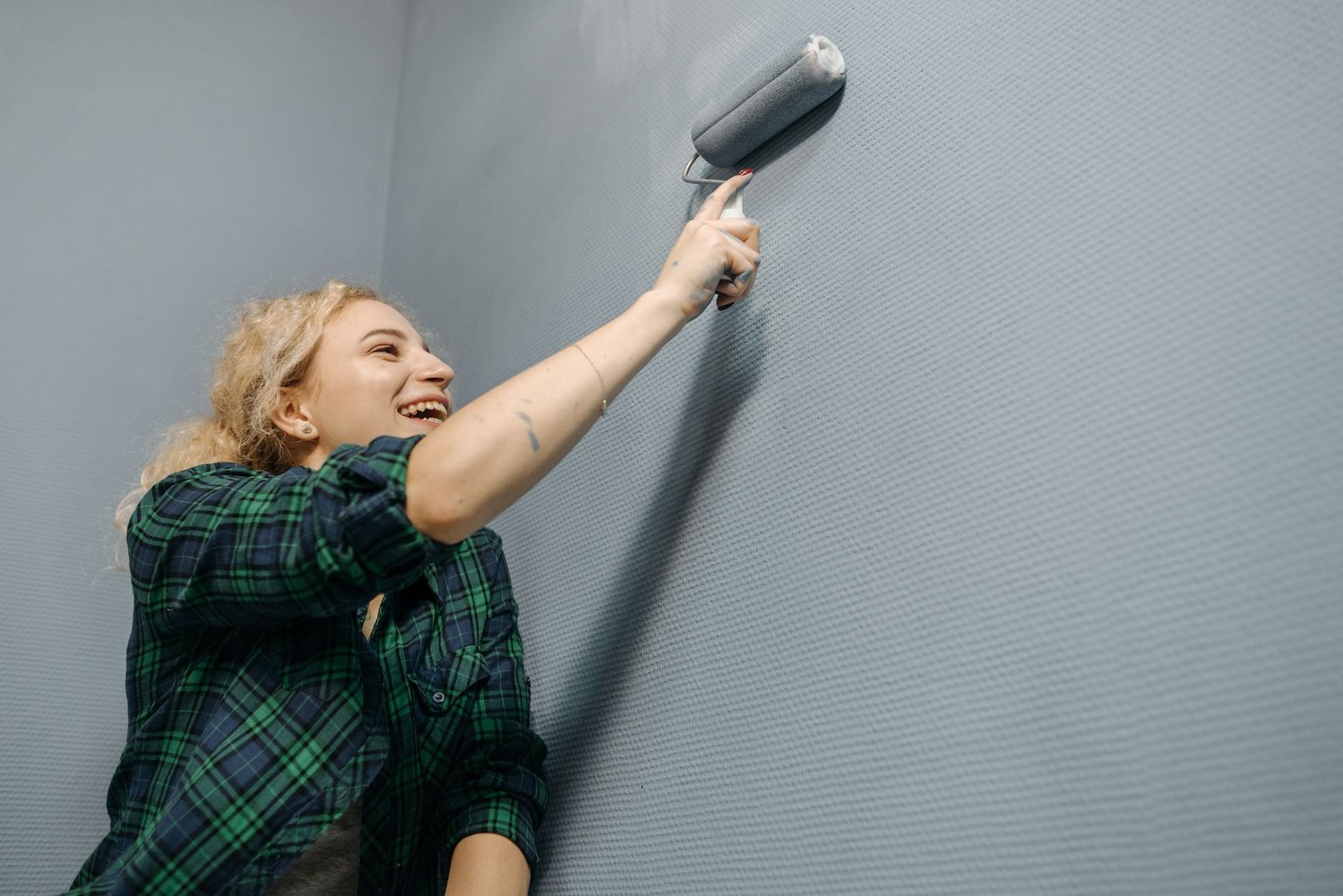
The selection of wall coverings for high-traffic areas in 2026 presents a crucial decision for homeowners, balancing resilience with aesthetic appeal and cost. This comprehensive analysis compares advanced performance paints with commercial-grade wallpapers, providing insight into which option offers superior durability, design versatility, and economic viability for busy domestic environments.
Understanding High-Traffic Wall Needs
High-traffic areas within a residence—such as hallways, children’s rooms, kitchens, and entryways—are subjected to constant wear and tear. These spaces demand wall finishes that can withstand frequent contact, scuffs, impacts, and often require regular cleaning. The ideal solution must resist abrasions, maintain its appearance over time, and be easily maintained, without compromising on the overall interior design vision.
- Impact Resistance: Walls must endure accidental bumps and scrapes from furniture, toys, and daily activities.
- Washability and Cleanability: Surfaces need to tolerate frequent cleaning to remove dirt, grease, and marks without degradation.
- Durability Against Abrasion: Resistance to rubbing and friction is essential to prevent unsightly wear patterns.
Performance Paint Innovations for 2026
Modern performance paints have transcended traditional latex formulations, integrating cutting-edge technology to offer unparalleled resilience. For 2026, these paints feature enhanced chemical compositions designed specifically for demanding environments.
Advanced Formulations
- Ceramic Microspheres and Polymer Reinforcement: Many leading performance paints now incorporate ceramic microspheres and advanced polymer cross-linking technologies. These additives create an incredibly hard, dense, and uniform surface film that significantly boosts resistance to scratching, scuffing, and impact.
- Antimicrobial Properties: A notable trend in 2026 is the integration of silver-ion technology or other antimicrobial agents directly into paint formulations. This offers an added layer of hygiene, inhibiting the growth of mold, mildew, and bacteria, which is particularly beneficial in kitchens, bathrooms, and play areas.
- Self-Healing and Stain-Resistant Coatings: Emerging “smart” paints are beginning to feature micro-encapsulated polymers that can superficially repair minor scratches upon activation (e.g., with light or heat), extending the pristine appearance. Additionally, oleophobic and hydrophobic additives create surfaces that repel stains and liquids, making cleaning effortless.
- Low-VOC and Zero-VOC Options: Environmental consciousness remains a significant driver. The majority of performance paints available in 2026 are low-VOC or zero-VOC, ensuring healthier indoor air quality during and after application, a key consideration for resident well-being.
Application and Curing
While still requiring meticulous surface preparation, the application process for these advanced paints is generally straightforward for skilled users. Proper curing time is critical to achieve maximum hardness and durability. Innovations in rapid-cure technologies are making some formulations more efficient, reducing downtime for residents.
Commercial Wallpaper Advancements in 2026
Commercial-grade wallpapers, distinct from their decorative residential counterparts, are engineered for extreme durability and longevity. The 2026 market showcases significant material science breakthroughs.
Material Science and Composition
- Reinforced Vinyl Composites: The staple of commercial wallpaper, reinforced vinyl composites are denser, thicker, and often layered with woven backings (e.g., fabric or non-woven synthetic fibers) for superior tear strength and dimensional stability. These resist punctures and tears far better than standard wallpapers.
- High-Performance Non-Wovens: A growing segment features advanced non-woven materials that are breathable, dimensionally stable, and often made from recycled or rapidly renewable resources. These can be pre-pasted or paste-the-wall, simplifying installation and removal.
- Digital Printing and Customization: 2026 sees an explosion in ultra-high-resolution digital printing capabilities. This allows for bespoke designs, murals, and hyper-realistic textures (wood, stone, fabric) on commercial-grade substrates, offering unparalleled aesthetic flexibility without compromising durability.
- Protective Overlays and Coatings: Many commercial wallpapers are finished with clear protective coatings that enhance scuff resistance, provide an easy-to-clean surface, and offer UV protection against fading. Some feature integrated antimicrobial treatments, mirroring paint trends.
Installation and Removal
While often requiring professional installation due to their weight and rigidity, advancements in paste-the-wall and peel-and-stick commercial options are simplifying the process. Modern adhesives are formulated for strong bonding yet allow for easier, cleaner removal compared to older generations, minimizing wall damage.
Durability and Longevity Comparison
Impact and Abrasion Resistance
- Performance Paint: Offers excellent resistance to scuffs and minor abrasions thanks to its hardened surface. It performs well against light impacts, but deep gouges or significant force can still lead to chips or damage that require touch-ups.
- Commercial Wallpaper: Generally provides superior impact resistance due to its thicker, multi-layered construction. The inherent flexibility and density of vinyl composites, for instance, can absorb impacts better, making it more forgiving against blunt force or constant rubbing.
Washability and Stain Resistance
- Performance Paint: High-quality options are highly washable and resistant to most common household stains. The hydrophobic/oleophobic properties in advanced paints make wiping clean remarkably easy.
- Commercial Wallpaper: Many commercial wallpapers are specifically designed to be highly scrubbable and chemical-resistant, ideal for rigorous cleaning regimens in demanding environments. Integrated protective coatings provide an excellent barrier against stains.
Lifespan and Maintenance
- Performance Paint: With proper application and occasional touch-ups, performance paints can maintain their integrity for 5-10 years before a full repaint might be considered for aesthetic refresh or significant wear. Minor damage can often be spot-repaired seamlessly.
- Commercial Wallpaper: Designed for extreme longevity, commercial wallpapers can easily last 10-15 years, or even longer, depending on traffic and quality. Damage is typically localized; however, seamless repairs can be more challenging than with paint, potentially requiring patch replacement that might be visible.
Aesthetic Considerations and Design Flexibility
Design Trends and Customization
The aesthetic landscape in 2026 favors personalized and textured environments. Both options offer unique advantages.
- Performance Paint: Provides vast color versatility. While typically offering uniform finishes (matte, eggshell, satin, semi-gloss), specialized additive paints can mimic subtle textures. The ease of repainting allows for frequent color changes, aligning with evolving design preferences.
- Commercial Wallpaper: Excels in delivering complex patterns, murals, and realistic textures (e.g., woven fabrics, concrete, wood grain, metallic finishes) that paint cannot replicate. The digital printing revolution means virtually any design can be customized, offering truly unique wall statements. The 3D and embossed textures add tactile depth, a growing trend in contemporary design.
Texture and Finish
Performance paints offer a range of sheens, from ultra-matte to high-gloss, impacting light reflection and durability. Glossier finishes generally offer higher durability and cleanability but can highlight wall imperfections. Commercial wallpapers often come with inherent textures, from smooth and subtly embossed to deeply textured, adding a tactile dimension that can conceal minor wall irregularities.
Cost-Effectiveness and Maintenance
Initial Investment
- Performance Paint: The upfront cost of performance paint itself can be higher per gallon than standard paint, but generally lower than commercial wallpaper per square foot. Installation, if DIY, is significantly cheaper; professional painting services can vary.
- Commercial Wallpaper: The material cost for commercial-grade wallpaper is typically higher per square foot. Professional installation is often recommended, adding to the initial expense due to the specialized skills required for precise pattern matching and handling heavy materials.
Long-Term Savings and Maintenance
- Performance Paint: While initial costs can be lower, the need for more frequent repainting in high-traffic areas (every 5-10 years) means recurring material and labor costs. However, simple spot cleaning and touch-ups are easy.
- Commercial Wallpaper: The longer lifespan of commercial wallpaper often translates to lower long-term costs, as replacement is less frequent. Its inherent resistance to damage and easy cleanability can reduce maintenance efforts and expenses over time.
Environmental Impact
Both industries are seeing a push towards sustainability. Residents considering environmental impact should look for paints with third-party certifications for low-VOC emissions and products made from recycled content or sustainable fibers in wallpapers. Modern wallpaper adhesives are also increasingly eco-friendly.
Making the Right Choice for the Homeowner
The optimal choice between performance paint and commercial wallpaper hinges on a resident’s specific priorities for their high-traffic areas in 2026. If the utmost design flexibility, intricate patterns, and robust impact resistance are paramount, and the budget allows for a higher initial investment, commercial wallpaper is an exceptional choice. Its long lifespan often delivers greater value over time.
Conversely, if ease of repair, frequent color changes, and a slightly lower initial outlay are key considerations, along with excellent resistance to scuffs and cleaning, then advanced performance paints present a highly viable and increasingly durable solution. The ongoing innovations in paint technology are steadily closing the gap in resilience.
Ultimately, the decision should be a balanced assessment of the area’s specific usage patterns, the homeowner’s aesthetic aspirations, and the total cost of ownership over the intended lifespan of the wall covering. Both options, in their 2026 iterations, offer remarkable solutions for creating beautiful and enduring walls in busy homes.