
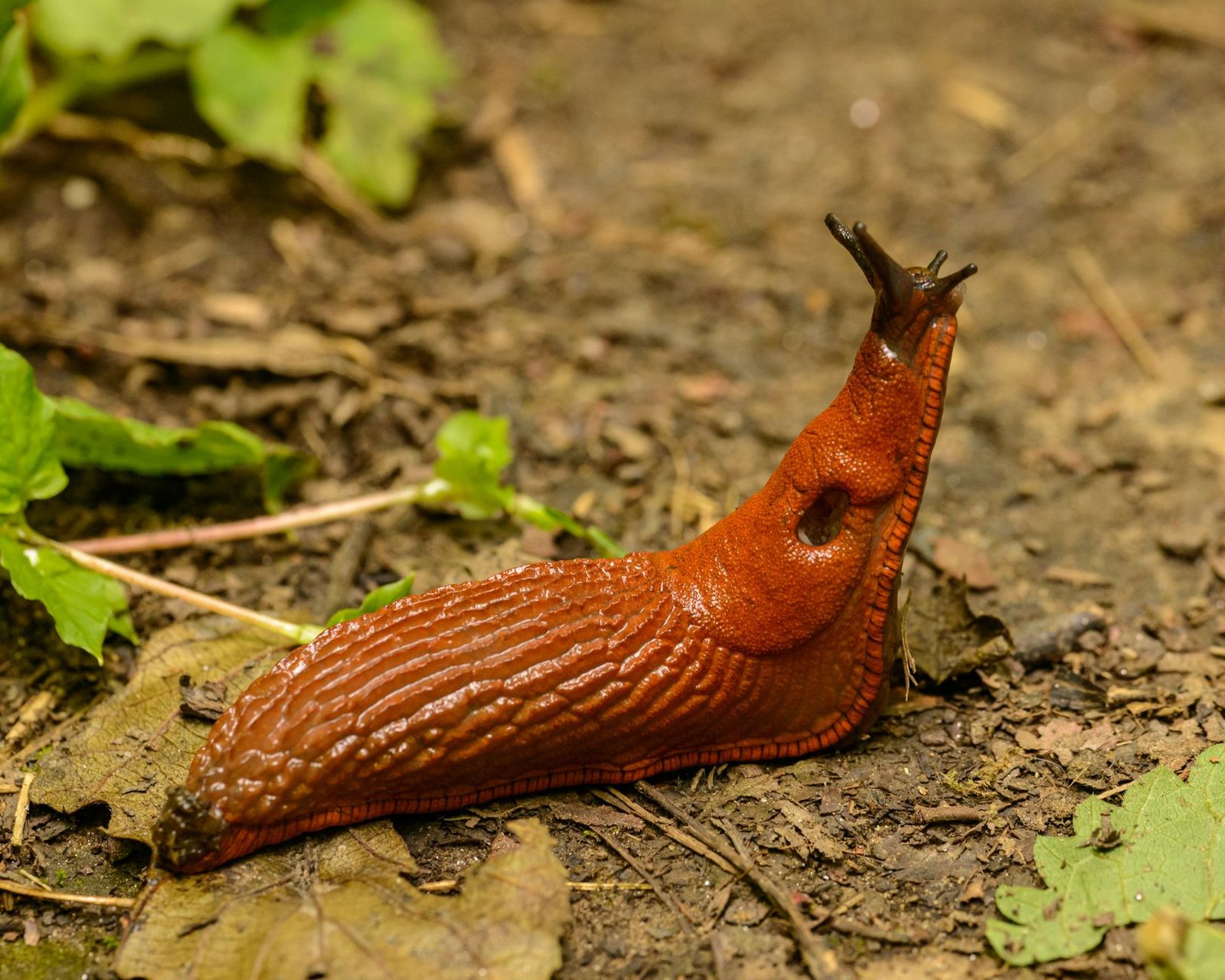
For homeowners and residents committed to sustainable gardening, identifying the most effective organic pest control for aphids and slugs in 2026 involves a multi-faceted approach. There is no singular ‘best’ method; rather, a synergistic strategy combining advanced preventive measures, ecological balance, and targeted natural treatments stands as the most robust solution. This involves leveraging modern material developments, smart garden technologies, and a deeper understanding of integrated pest management to ensure a thriving, pest-free garden environment.
Understanding Common Garden Pests: Aphids and Slugs
Successful organic pest management begins with a thorough understanding of the adversaries. Knowing their habits, life cycles, and vulnerabilities is crucial for effective control.
Aphids: Tiny Threats with Big Impact
Aphids are small, soft-bodied insects that cluster on new growth, stems, and the undersides of leaves. They feed by sucking sap from plants, leading to stunted growth, distorted leaves, and yellowing. Aphids excrete a sticky substance called honeydew, which can encourage the growth of sooty mold. Their rapid reproduction cycles mean an infestation can quickly escalate, making early detection and intervention critical.
Slugs: The Slimy Garden Destroyers
Slugs are nocturnal gastropods that can cause significant damage to a wide range of plants, from seedlings to mature vegetables and ornamentals. They chew irregular holes in leaves, fruits, and flowers, often leaving a tell-tale silvery slime trail. Slugs thrive in moist, cool conditions, making well-watered gardens prime targets. Understanding their preferences for damp habitats and nocturnal feeding is key to their management.
Foundational Prevention Strategies for 2026
In 2026, prevention remains the cornerstone of organic pest control. Proactive measures minimize the need for reactive treatments, fostering a healthier garden ecosystem.
Cultivating Soil Health and Plant Resilience
A strong, healthy plant is inherently more resistant to pest attacks. The user should focus on building rich, organic soil through composting and mulching. Proper soil aeration and balanced nutrient availability, often guided by advanced soil testing kits (some offering real-time data analysis via smart devices), ensure plants can better defend themselves. Adequate, consistent watering, avoiding overhead irrigation in the evenings, can also reduce humidity levels that favor slugs.
Smart Garden Layout and Companion Planting
Strategic plant placement can naturally deter pests. Companion planting is a time-tested technique where specific plant combinations create a less hospitable environment for pests. Marigolds and nasturtiums, for instance, are known to repel aphids and attract their predators. Garlic and chives can also deter slugs and aphids. Rotating crops each season prevents pest populations from establishing permanent residences in specific areas of the garden.
Physical Barriers and Modern Deterrents
- Row Covers: Fine mesh row covers provide a physical barrier against flying pests like aphids, especially for vulnerable young plants. Modern materials are increasingly breathable and durable.
- Copper Tape: Copper tape placed around raised beds or pots creates a mild electrical charge when touched by a slug, deterring them without harm. Enhanced adhesion and longevity are common features in 2026 formulations.
- Automated Irrigation: Smart irrigation systems can be programmed to water plants at optimal times (e.g., early morning), allowing foliage to dry before nightfall, thereby reducing the damp conditions favored by slugs.
- Advanced Slug Fences: Developments in 2026 include slug fences made from novel composite materials that are more durable and provide improved barrier performance, sometimes incorporating biodegradable, scent-based deterrents.
Effective Organic Treatment Methods for 2026
When prevention alone isn’t sufficient, several organic treatments offer targeted control, aligning with 2026’s emphasis on sustainability and safety.
Advanced Botanical Insecticides
- Neem Oil: Derived from the neem tree, neem oil acts as an antifeedant, repellent, and growth disruptor for aphids. Modern neem formulations are often emulsified for easier mixing and application, ensuring better coverage and efficacy. The user should apply it thoroughly, especially to the undersides of leaves, following label instructions carefully.
- Insecticidal Soaps: These soaps work by breaking down the waxy cuticle of soft-bodied insects like aphids, leading to dehydration. 2026 formulations may include enhanced sticking agents to improve coverage and persistence on plant surfaces. Application should be direct and ensure contact with the pests.
Diatomaceous Earth (DE) and Other Physical Controls
Diatomaceous Earth (food-grade) is a fine powder made from fossilized diatoms. Its microscopic sharp edges abrade the exoskeletons of slugs and aphids, causing dehydration. The resident should apply DE around the base of affected plants or lightly dust foliage. It is most effective when dry and should be reapplied after rain or heavy dew. New dispensing tools allow for more precise and even application.
Harnessing Beneficial Organisms (Biocontrols)
Embracing biological control agents is a highly effective and ecologically sound method. In 2026, access to and understanding of these natural predators is more sophisticated.
- Ladybugs and Lacewings: Both adult ladybugs and lacewing larvae are voracious predators of aphids. Introducing these beneficial insects can rapidly reduce aphid populations. Modern ethical sourcing practices ensure sustainable collection and healthy insect delivery.
- Nematodes: Specific species of microscopic beneficial nematodes (e.g., Phasmarhabditis hermaphrodita) are natural parasites of slugs. Applied to moist soil, they seek out and infect slugs, offering long-term control. Advanced formulations and application systems ensure better survival rates and broader distribution of these microscopic allies.
DIY and Eco-Friendly Solutions
- Beer Traps: Shallow dishes filled with beer (or a yeast/sugar/water mixture) can attract and drown slugs. 2026 sees more aesthetically pleasing and efficient trap designs, some biodegradable, reducing plastic waste.
- Hand-Picking: For smaller infestations, especially with slugs during early morning or after rain, manual removal remains a highly effective, non-toxic option. Dropping slugs into a bucket of soapy water is a humane disposal method.
2026 Innovations in Organic Pest Management
The landscape of organic pest control continues to evolve, with new technologies and materials offering enhanced capabilities for the modern gardener.
AI-Powered Pest Detection and Monitoring
Smart garden sensors and camera systems, often integrated with AI, are becoming more accessible. These devices can monitor plant health, detect early signs of pest infestations (including aphid presence on specific leaves), and alert the user via smartphone, enabling prompt, targeted intervention before populations explode.
Sustainable Material Advancements
Ongoing research into biodegradable slug barriers made from natural fibers or advanced bioplastics provides effective physical deterrence without contributing to landfill waste. Non-toxic slug baits continue to evolve, with iron phosphate formulations remaining popular, often with improved resistance to rain for sustained effectiveness.
Precision Application Tools
For larger gardens or complex layouts, advancements in precision application tools, including handheld smart sprayers or even small autonomous units, allow for highly targeted delivery of organic treatments like neem oil or insecticidal soaps. This minimizes overspray, reduces product usage, and ensures efficacy where it’s most needed.
The Integrated Organic Approach
Ultimately, the ‘best’ organic pest control for aphids and slugs in 2026 is not a single product or technique, but a dynamically integrated strategy. It involves diligent observation, proactive prevention through healthy soil and wise planting, and the judicious application of natural treatments and beneficial organisms when needed. The resident who embraces this holistic perspective will cultivate a resilient, beautiful, and productive garden environment.
Conclusion
Achieving effective organic pest control for aphids and slugs in 2026 is entirely feasible by adopting a comprehensive, ecologically conscious approach. By prioritizing plant health, implementing smart preventive measures, and employing targeted, natural treatments and modern innovations, the homeowner can maintain a vibrant garden that thrives in harmony with nature. Continuous learning and adaptation to the garden’s specific needs will lead to long-term success in fostering a truly organic and pest-resistant landscape.