
An untidy entryway is a common challenge for many residences lacking a dedicated mudroom, often becoming a cluttered bottleneck for coats, shoes, and bags. However, maintaining an organized and welcoming entrance without this specific architectural feature is entirely achievable with strategic planning and smart design choices. This article explores seven ingenious solutions tailored for 2026 to transform even the most chaotic entryways into functional and aesthetically pleasing spaces.
Understanding the Entryway Challenge in 2026
In 2026, residential design continues to prioritize efficiency and intentionality. Without a dedicated mudroom, the entryway often bears the brunt of daily transitions – a collection point for outdoor gear, mail, keys, and personal accessories. The challenge extends beyond mere aesthetics; a cluttered entrance can impede flow, create safety hazards, and impact the overall sense of domestic comfort upon arrival. Homeowners are increasingly seeking solutions that are not only practical but also integrate seamlessly with contemporary interior trends, emphasizing sustainability, smart technology, and minimalist design principles.
The 7 Genius Solutions for a Tidy Entryway
1. Vertical Storage Maximization
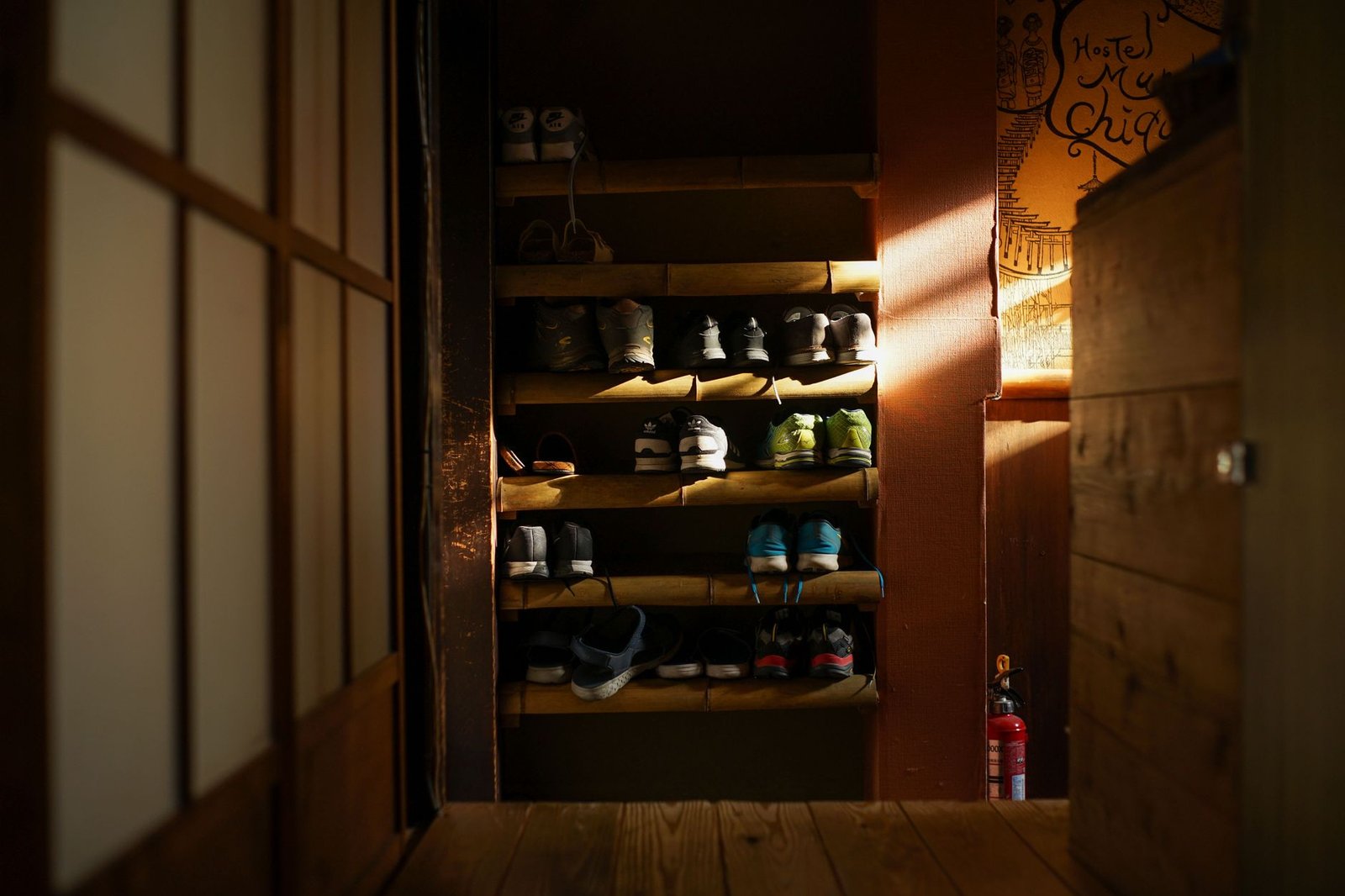
Leveraging vertical space is paramount in compact entryways. Slim, wall-mounted organizers and floating shelves offer unobtrusive storage without encroaching on precious floor area. In 2026, trends lean towards modular systems that can be customized to the exact dimensions of a space. Materials such as sustainable bamboo, powder-coated recycled steel, and engineered wood with low-VOC finishes are popular choices, aligning with eco-conscious design. Integrated smart lighting, a growing trend, can illuminate these storage solutions, adding both function and a warm aesthetic.
2. Multifunctional Furniture Integration
Choosing furniture pieces that serve more than one purpose is a cornerstone of efficient entryway design. A storage bench, for instance, provides a convenient spot for seating while also concealing shoes, bags, or other items within its interior compartments. Console tables with drawers offer surface area for decor and a discrete place for keys or mail. 2026 sees an emphasis on modular design and hidden compartments, allowing for seamless integration into various decor styles. Performance fabrics made from recycled plastics are increasingly used for upholstery, offering durability and easy maintenance.
3. Dedicated Shoe Organization Systems
Shoes are a primary culprit for entryway clutter. Implementing a dedicated system for footwear is crucial. Options range from vertical shoe racks that utilize minimal floor space to enclosed cabinets that keep shoes out of sight. Emerging technologies for 2026 include UV-sanitizing shoe storage solutions, addressing both organization and hygiene. PET felt, sustainable plastics, and anti-microbial coated surfaces are common materials, offering both practicality and a modern aesthetic. These solutions prevent a pile-up of footwear, maintaining a neat appearance.
4. Smart Hook and Peg Rail Systems
Hooks are essential for coats, bags, and umbrellas. Rather than a single coat rack, a series of individual hooks or a stylish peg rail can distribute the weight and visual impact. 2026 trends favor minimalist designs, often drawing inspiration from Scandinavian aesthetics. Integrated ‘smart’ hooks are gaining traction, capable of subtle illumination or even linking to home automation systems to provide reminders. Materials like solid brass, matte black aluminum, and natural oak or ash offer both strength and visual appeal. Magnetic hooks provide an elegant solution for keys, keeping them accessible yet tidy.
5. Zone Creation with Rugs and Partitions
Even without walls, an entryway can be visually defined and organized into zones. A durable area rug or runner immediately establishes a dedicated landing zone, preventing dirt from tracking further into the home. For 2026, pattern layering and outdoor-grade rugs made from washable recycled PET are favored for their resilience and style. For spaces requiring a subtle division, slender slat partitions or decorative screens crafted from natural fibers or reclaimed wood can delineate the entryway from adjacent living areas without fully closing off the space, enhancing both privacy and organization.
6. Wall-Mounted Mail and Key Organizers
Paper clutter and misplaced keys can quickly disorganize an entryway. Wall-mounted organizers specifically designed for mail and keys offer an elegant solution. These can range from simple floating shelves with integrated key hooks to more sophisticated magnetic boards. A notable trend for 2026 is the inclusion of integrated charging stations within these units, allowing residents to charge devices neatly. Materials like sleek acrylic, solid surface composites, and minimalist metal designs ensure these organizers complement a contemporary aesthetic while performing vital functions.
7. Utilizing Dead Space and Backs of Doors
Often overlooked, the back of the front door or the side of an adjacent shallow closet can offer valuable storage real estate. Over-the-door organizers with multiple pockets or baskets are ideal for smaller items like gloves, scarves, or pet leashes. Shallow cabinetry or bespoke shelving can be fitted into narrow recesses, transforming seemingly ‘dead’ space into functional storage. 2026 design principles emphasize maximizing every inch, with transparent storage solutions made from clear acrylic or breathable mesh (often with recycled content) allowing for easy visibility of contents without adding visual bulk. Custom fit-outs ensure these solutions are perfectly tailored to the resident’s needs.
Maximizing Style and Functionality: 2026 Trends
Beyond specific storage solutions, several overarching trends for 2026 enhance the entryway’s style and functionality. Biophilic design continues to influence, with natural elements like preserved moss panels or small, easy-care plants in chic planters adding a calming touch. Smart home integration extends to the entryway, with motion-sensor lighting and smart locks providing convenience and security. The preference for clean lines, muted color palettes, and natural textures ensures that these organizational solutions do not detract from the home’s overall aesthetic but rather enhance it. Material innovation focuses on durability, ease of cleaning, and environmental responsibility, ensuring longevity and minimal impact. By carefully selecting products and strategies that reflect these contemporary values, homeowners can ensure their entryway remains an inviting and impeccably organized space, perfectly set for the year 2026 and beyond.